There are 11 great smart telescopes on the market right now – each with their pros and cons.
I’ve had my hands on many of these over the last couple of years and have spent a lot of time comparing them.
Since they vary so much in price, I like to break them down into three categories according to budget:
Budget Smart Telescopes ($399-$699)
- Dwarf Mini – Most affordable and lightweight
- ZWO Seestar S30 – Equal most affordable smart telescope (alongside the Dwarf Mini)
- ZWO Seestar S30 Pro – Premium upgrade on the S30 also featuring a wide-angle camera for landscape imaging
- Dwarflab Dwarf 3 – Highly portable with very high resolution camera
Mid-Range Smart Telescopes ($2,499 to $3,000)
- Vaonis Vespera 3 – great value and slick usability
- Unistellar Odyssey – perfect ease-of-use
- Unistellar Equinox 2 – higher specs but harder to use than the Odyssey
- Vaonis Vespera Pro 2 – great ease-of-use and the highest resolution camera of any model
Premium Smart Telescopes ($4,000 to $5,000)
- Unistellar Odyssey Pro – super easy to use and has a cool eyepiece
- Unistellar Evscope 2 – higher specs and has an eyepiece but harder to use than the Odyssey Pro
- Celestron Origin Mark II – the best all-round imaging credentials but biggest and heaviest
All of these are good – it really just depends on your budget and what features you would value, i.e. an eyepiece, weight portability, greater ease of use, better imaging capacity etc.
Below we provide a more detailed overview for each model and comparison tables so you can see how they match up on key metrics.
If you prefer, you can also watch the video:
Best Smart Telescopes
Unistellar Odyssey Pro
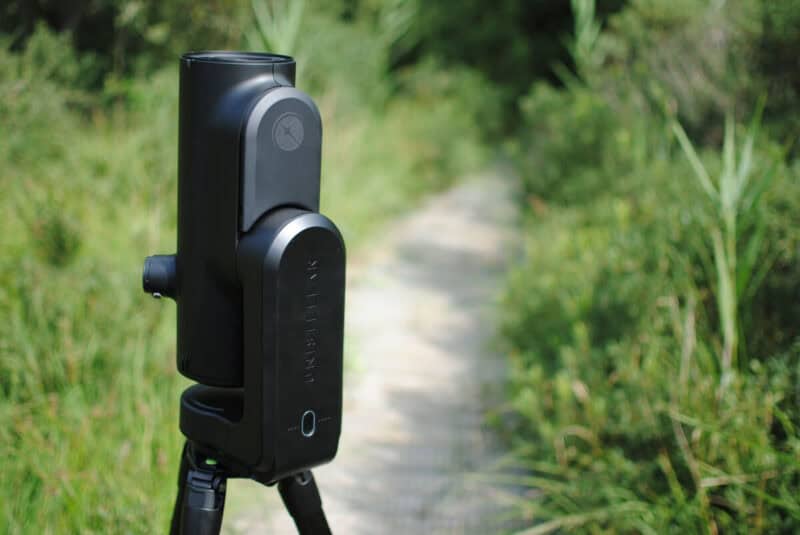
The Unistellar Odyssey Pro is a premium portable smart telescope released alongside the Unistellar Odyssey (see below).
These two models form Unistellar’s Discovery Range which have improved usability and do not require collimating (a type of manual adjustment that needs to be done on some telescopes).
This is in contrast to the eVscope 2 and eQuinox 2 which form Unistellar’s Expert Range and are higher spec but require collimation.
You can watch our video review here:
The Odyssey Pro features an eyepiece for live viewing – something that only the Unistellar eVscope 2 also has.
This is a great feature that means you can look through it like a real telescope, rather than just look at the images on a screen, and works well if using with others, as you can take turns to look through.
Check out this video to get an idea of how it looks:
It is small, light, portable and looks amazing.
The telescope and camera are slightly lower spec than the eVscope 2 and eQuninox 2, but this is the trade off for the improved ease of use.
Read the Unistellar Odyssey Pro review
Specifications:
- Aperture: 85 mm (3.3 inch)
- Focal Length: 320 mm
- Focal Ratio: F/3.9
- Weight: 14 lbs (6.5 kg)
- Height: 122 cm (fully assembled)
- Sensor: Sony IMX615
- Resolution: 4.1 MP
- Year of release: 2024
- Key Features: Eyepiece, light and small, no collimation
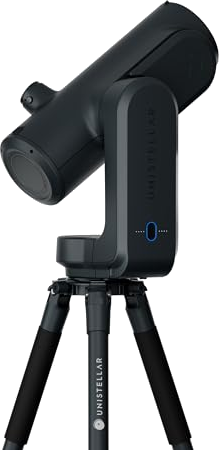
Premium Smart Telescope
- Easy to use and perfect for complete beginners
- Features eyepiece for live viewing of the night sky
- Portable with a compact size and light weight
- Lower spec than premium alternatives
- Premium price
Unistellar Odyssey
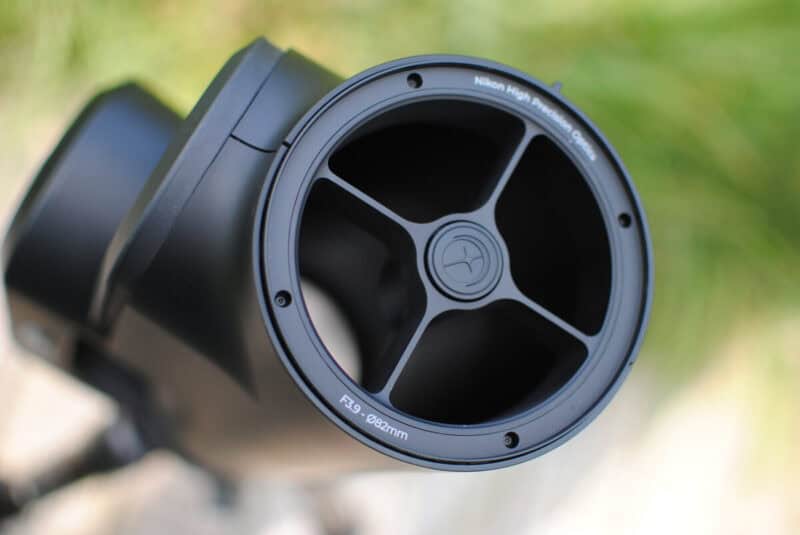
The Unistellar Odyssey is another premium portable smart telescope that was released in 2024 alongside the Odyssey Pro (above).
It is also in Unistellar’s Discovery Range which means improved usability and no collimation necessary.
You can watch our video review here:
The Odyssey is cheaper than the Odyssey Pro for one main reason – it has no eyepiece for live viewing.
It is the same size and design. It has the same telescope with 85mm aperture, 350mm focal length and f/3.9 focal ratio, but the camera has a slightly lower 3.7MP sensor.
Essentially, this is great value if you are tempted by the Odyssey Pro but don’t think you will get use from the eyepiece.
We give an overview of the differences here:
Read the Unistellar Odyssey review
Specifications:
- Aperture: 85 mm (3.3 inch)
- Focal Length: 320 mm
- Focal Ratio: F/3.9
- Weight: 14 lbs (6.5 kg)
- Height: 122 cm (fully assembled)
- Sensor: Sony IMX615
- Resolution: 3.7 MP
- Year of release: 2024
- Key Features: Light and small, no collimation
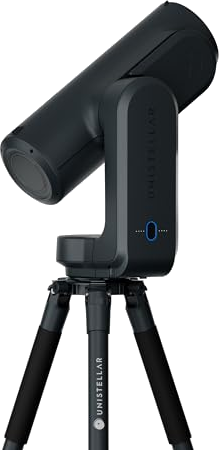
Premium Smart Telescope
- Easy of use and perfect for complete beginners
- Portable with a compact size and light weight
- Lower spec than premium alternatives
- No eyepiece for realtime viewing
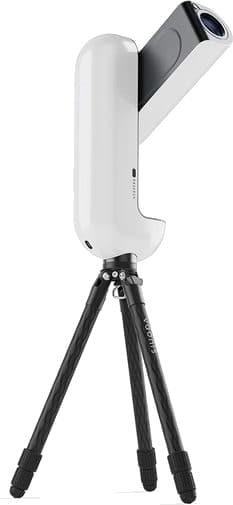
Vaonis Vespera 3
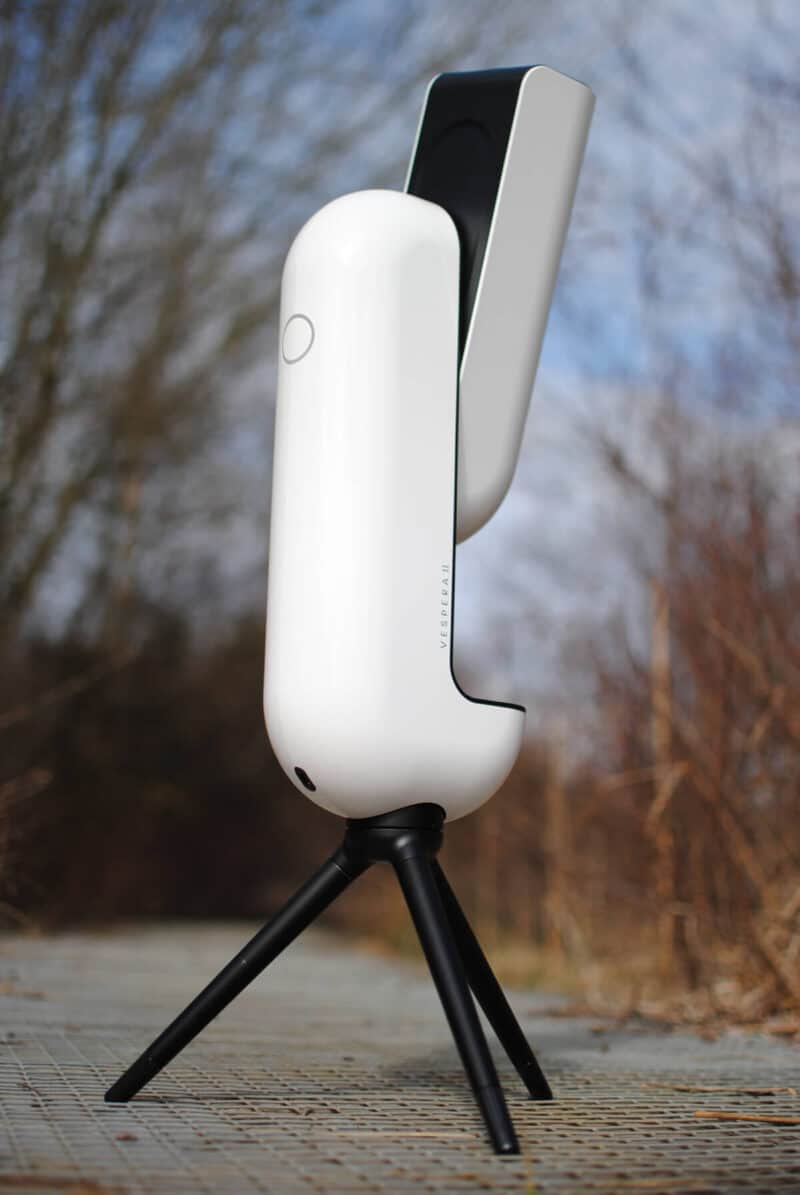
The Vaonis Vespera 3 replaced the previously very popular Vaonis Vespera 2 in 2026.
You can read this article or watch this video if you want a deep dive:
It is the same compact size and weight as the original Vespera, and the telescope is very similar with 50mm aperture but a slightly longer focal length.
The main difference is that the built-in camera is much better with an 8.3 MP resolution sensor, most other specs and features are the same as the original.
The Vespera range feature a mosaic mode.
This means they can take and piece together multiple images to capture much wider astronomical objects and this has been very popular with those wanting to push its astrophotography capabilities.
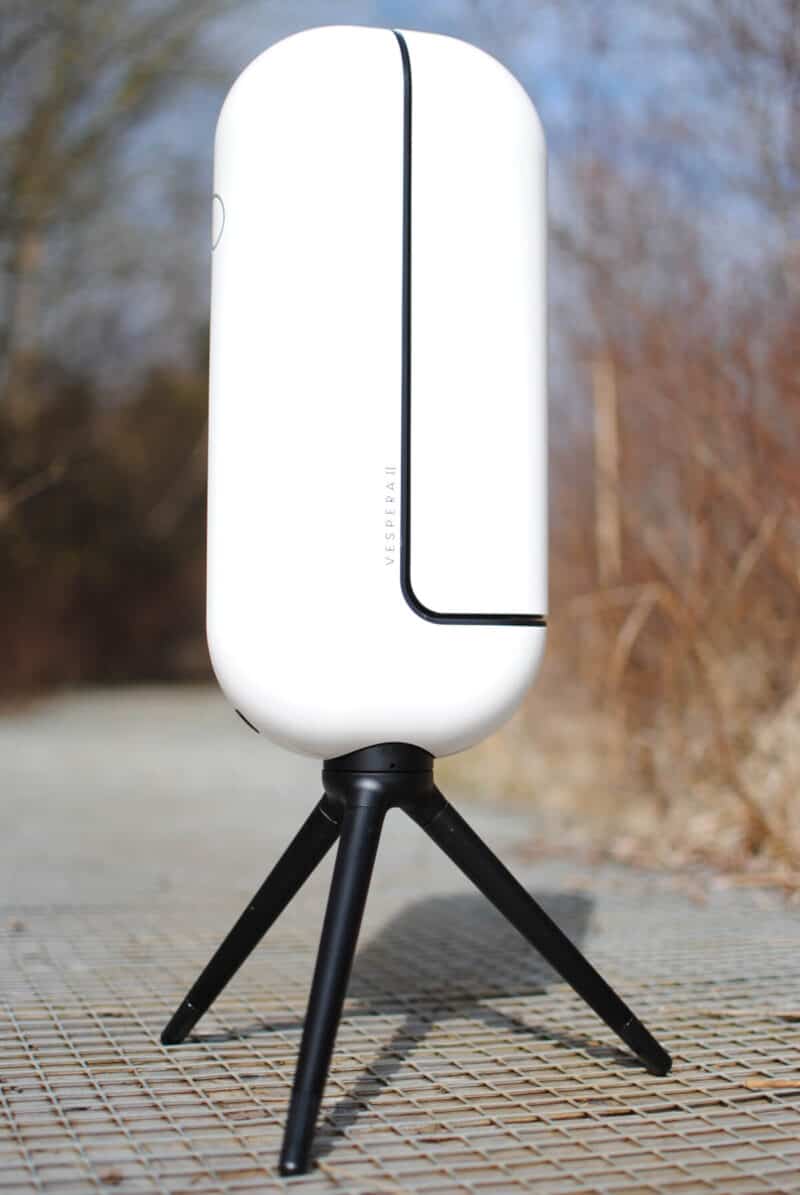
The price is more expensive than the best budget smart telescopes and is marketed as ‘the cheapest premium smart telescope.’
The Vespera Pro 2 (below) was released at the same time with even higher specifications but also a higher price.
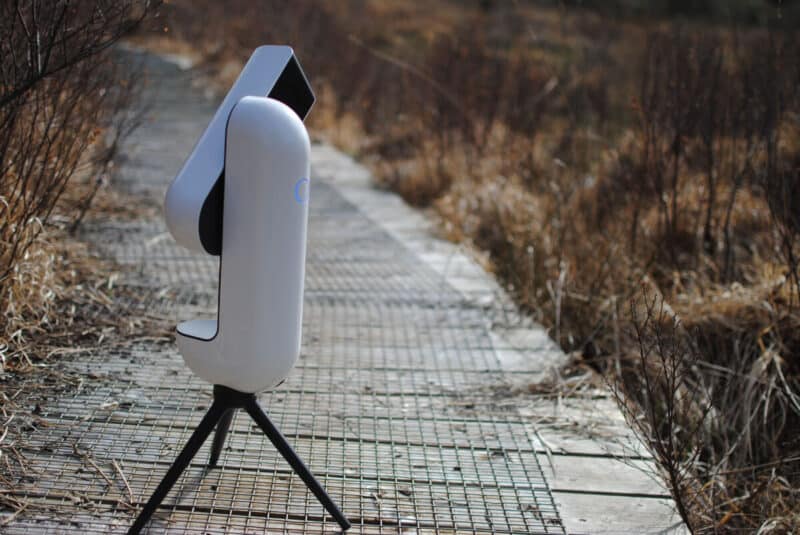
Overall, this a perfect mid-range option.
It is cheaper than many of the other premium options and lacking the eyepiece of the Odyssey Pro or Evscope 2, but has great imaging capacity and is easy to get results with.
Specifications:
- Aperture: 50 mm (2 inches)
- Focal Length: 250 mm
- Focal Ratio: F/5
- Weight: 11 lbs (5 kg)
- Height: 48 cm (18.9 inches)
- Sensor: Sony IMX585
- Resolution: 8.3 MP (3840 x 2160 px)
- Year of release: 2026
- Key Features: Light and small, no Collimation, mosaic mode
Vaonis Vespera Pro 2
The Vaonis Vespera Pro 2 has the same compact size as the Vespera 3 but the camera is vastly improved with a 12.5 MP sensor.
Again, you can read this article or watch this video if you want a deep dive:
This makes it a great option for those more serious about pushing the deep sky imaging capabilities further
Specifications:
- Aperture: 50 mm (2 inches)
- Focal Length: 250 mm
- Focal Ratio: F/5
- Weight: 11 lbs (5 kg)
- Height: 48 cm (18.9 inches)
- Sensor: Sony IMX676
- Resolution: 12.5 MP (3536 x 3536 px)
- Year of release: 2026
- Key Features: Light and small, no collimation, highest resolution camera, mosaic mode
Dwarflab Dwarf 3
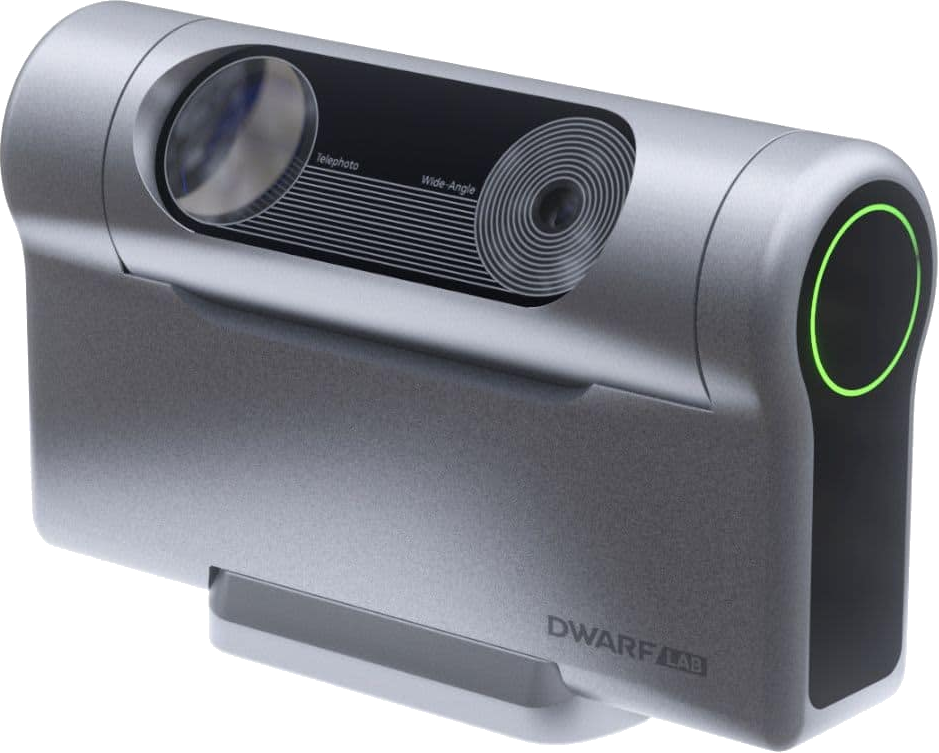
The Dwarflab Dwarf 3 is a budget smart telescope released in 2024 to replace the excellent Dwarf 2.
You can watch our review of the Dwarf 2 here:
The Dwarf 3 improves on the Dwarf 2 with a better telescope, an equatorial mode, and a mosaic mode.
The price and the size and weight remain the same though, so it is a solid upgrade.
It is small and light and comes with tripod, carry case and filters – everything you need to get going.
To get it going you need to download the free app onto your smartphone and connect it to your telescope.
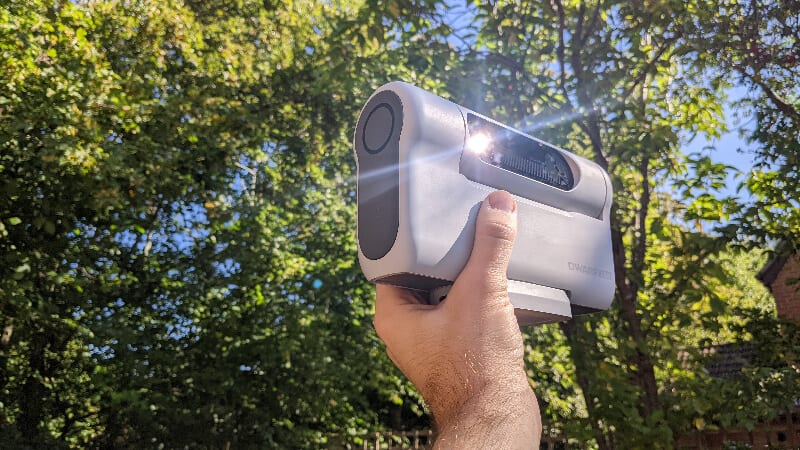
The appeal with this model is first and foremost the cheaper price. The others can’t compete with the budget price.
It is also extremely tight and portable. I have taken mine on vacation and been confident that the carry case will keep it protected.
The downsides in comparison to the premium models are that it has much lower specifications – particularly in terms of aperture and focal length.
This means it can’t really compete in terms of the images it can deliver. However, many have had great success taking photos with it, especially when post-processing images in separate software.
Perfect as an intro to smart telescope astrophotography or if you just want a very convenient option to travel with.
Specifications:
- Aperture: 35mm (1.4-inch)
- Focal Length: 150mm (5.9-inch)
- Focal Ratio: F/4.3
- Weight: 1.2 kg (2.6 lbs)
- Resolution: 8 MP
- Year of release: 2023
- Key Features: Very light and small, no collimation, great price
Budget Smart Telescope
- Shoot deep space objects in minutes with no expertise or experience necessary
- Great value at a budget price
- Light and portable - easy to store and travel with
- Limited image quality with relatively low aperture
- Not good for planetary imaging with short focal length
- Slightly fiddly setup and calibration processes
Vaonis Hestia
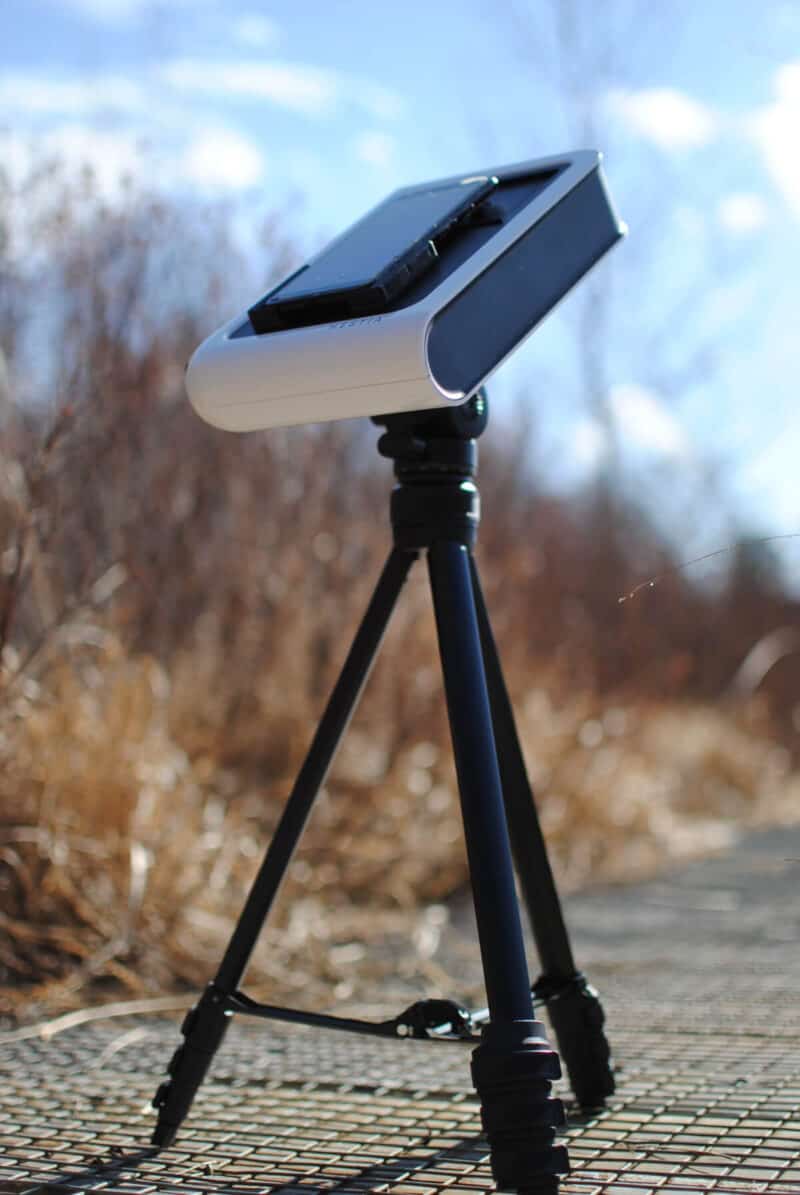
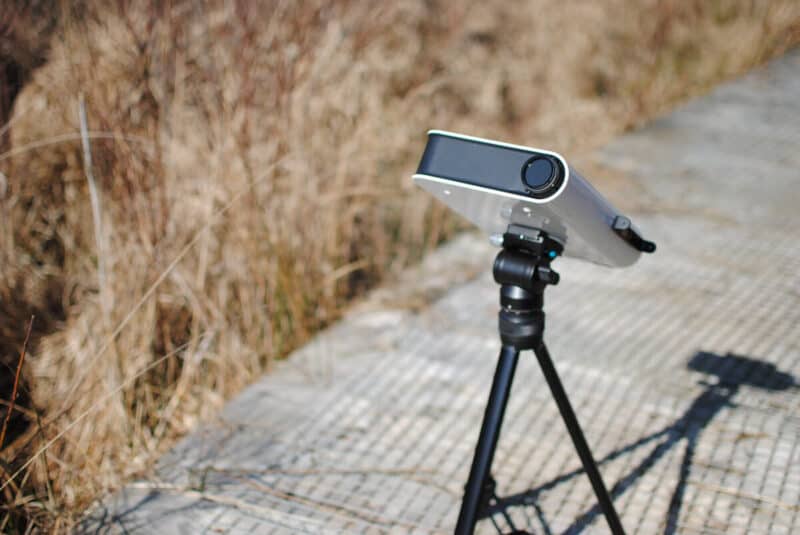
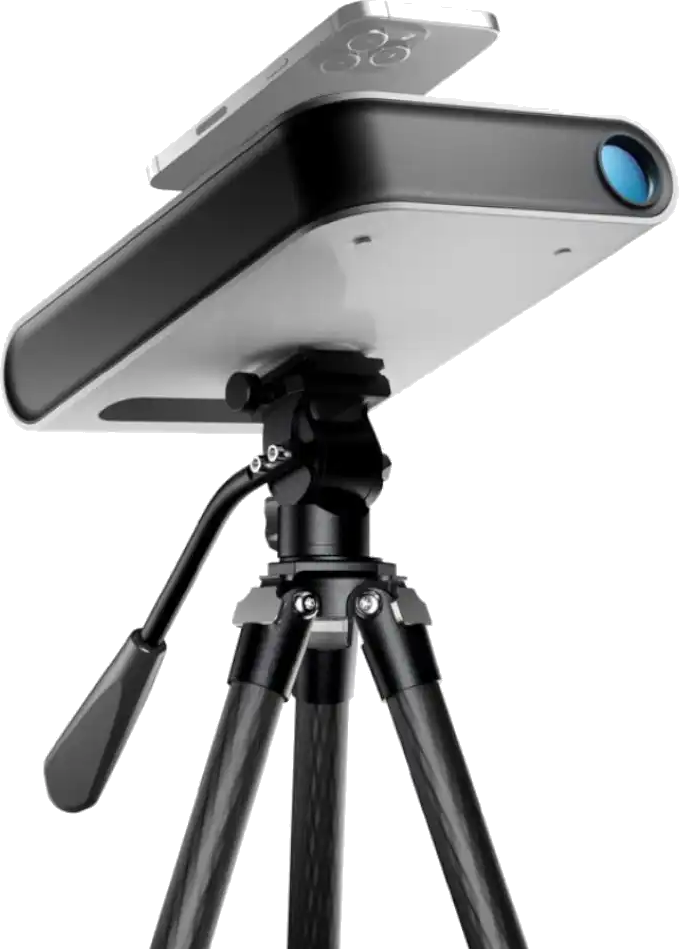
The Vaonis Hestia is a bit different from the other options on this page – it is not actually a smart telescope, rather it is a device that you use with your smartphone for astrophotography and effectively turn it into a smart telescope.
What this means is that it is a small telescope that lacks the in-built camera of a smart telecsope and instead takes advantage of the smartphone camera you havein your pocket.
This is a genius idea and means that the device can improve as you inevitably upgrade your phone over the years, whereas you cannot upgrade the camera in a regular smart telescope.
There are limitations though:
- It will not track objects in the sky like other smart telescope. This is a barrier to deep sky astrophotography and will mostly limit it to photographing the Sun and Moon.
- The aperture of the device is pretty small compared to most “real” smart telescopes
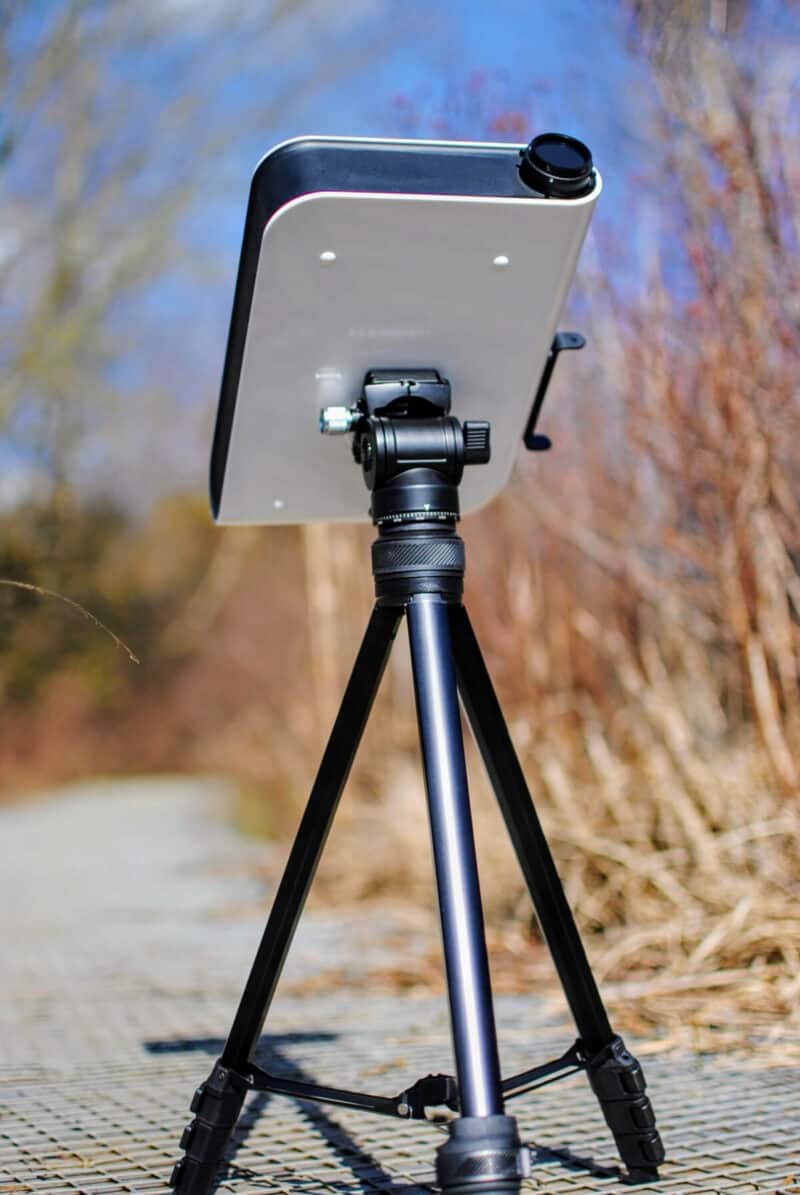
With regards to the lack of tracking, Vaonis say the app can guide manual tracking and that an accompanying tracking mount will eventually be released, although this would add an additional cost.
Overall, the Hestia is compact, easy to use, relatively cheap (compared to a smart telescope), and (to an extent) future-proof as it can improve as your smartphone camera improves.
Specifications:
- Aperture: 30 mm (3.3 inch)
- Magnification: 25x
- Weight: 1.9 lbs (0.85 kg)
- Size: 7 x 24 x 5.5 cm
- Year of release: 2024
- Key Features: Very light and small, no collimation, inexpensive
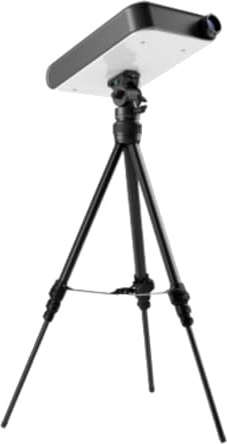
Transform Your Smartphone Into A Smart Telescope
- Extremely easy to use - just attach your smartphone and allow the app to guide you to capture and process astrophotography images
- Compact and portable
- Future-proof with all smartphones compatible
- No tracking will limit capacity to capture deep sky images
- Small aperture compared to a telescope
Unistellar Evscope 2
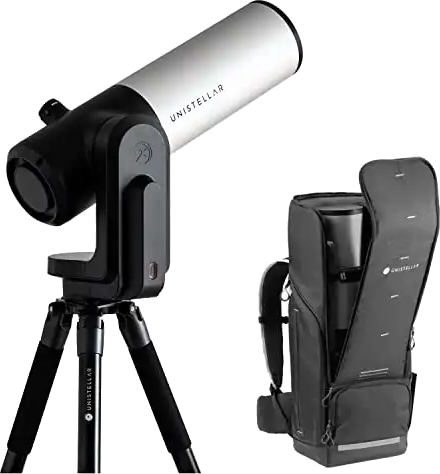
The Unistellar eVscope 2 is one of only two smart telescopes – alongside the Unistellar Odyssey Pro (above) – that features a real-time viewing eyepiece.
Watch our video for how these compare:
As mentioned above, this is a great feature that means you can look through it like a real telescope rather than just look at the images on your smartphone, and this works well if using socially, as you can take turns to look through with friends and family.
What you are looking at is an electronic image direct from the sensor and so you can see the view improving as the telescope gathers more light to create the image. Therefore it is slightly different from looking through a traditional telescope eyepiece, but this does result in a better view and one that is less affected by light pollution.
It has the same telescope tube and mount as the eQuinox 2, so it is the same size, weighs the same, and is operated in exactly the same way.
It is more expensive than the eQuinox 2 because of the eyepiece and a better camera sensor.
The improved sensor is much higher resolution and means that images can be captured in much finer detail. This makes it a better astrophotography telescope than the eQuinox 2.
Taking all this into account, the eVscope 2 is better than the eQuinox 2, but is more expensive. Therefore, like with the Odyssey and Odyssey Pro, if you are thinking of buying one of these models you should consider how much you value the eyepiece.
Read the Unistellar eVscope 2 review
Specifications:
- Aperture: 114mm (4.5 inches)
- Focal Length: 450mm (17.7 inches)
- Focal Ratio: F/3.9
- Weight: 19.8 lbs (9 kg)
- Sensor: Sony IMX347
- Resolution: 7.7 MP
- Year of release: 2022
- Key Features: Eyepiece, good telescope specs, join Citizen Astronomy projects
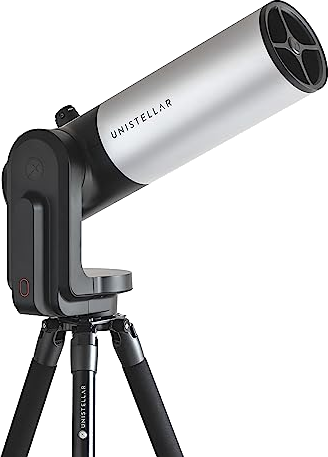
Premium Smart Telescope with Eyepiece
- Eyepiece allows realtime viewing
- Control with your smartphone via app
- Join Citizen Astronomy networks and help detect near-earth asteroids
- May need occasional adjustment (collimation)
Unistellar Equinox 2
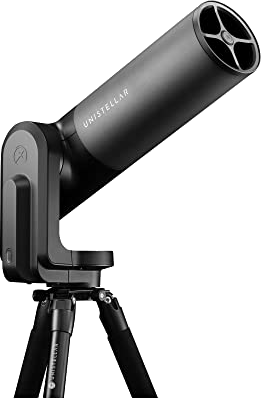
The Unistellar eQuinox 2 was released in 2023 and is the successor to the original eQuinox.
It is very similar to the eVscope 2 above, but lacks the eyepiece and has a slightly lower sensor camera.
The size and weight are the same, as is the aperture, focal length and focal ratio.
Coming in a roughly half the price of the eVscope 2, you get a great smart telescope for a good value price just without the realtime viewing eyepiece of the eVscope 2 and a slightly lower resolution camera.
Read the Unistellar eQuinox 2 review
Specifications:
- Aperture: 114mm (4.5 inches)
- Focal Length: 450mm (17.7 inches)
- Focal Ratio: F/3.9
- Weight: 19.8 lbs (9 kg)
- Resolution: 6.2 MP
- Year of release: 2023
- Key Features: Good telescope specs, join Citizen Astronomy projects
Premium Smart Telescope
- Brand new upgraded eQuinox
- Cheaper than eVscope 2 but improved capacity over original eQuinox
- Ultra quick and easy setup in less than one minute
- Expensive compared to regular telescopes
ZWO Seestar S50
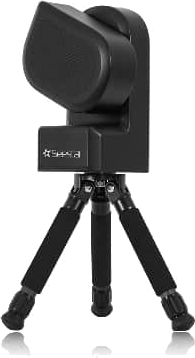
The ZWO Seestar S50 was launched in summer 2023.
Retailing at a lower price, it is a rival to the Dwarf 3 in terms of cost, but is also close to the Vaonis Vespera in terms of spec as it uses the same sensor.
It is a triplet apochromatic refractor with a 50mm aperture, 250mm focal length and F/4.9 focal ratio.
The Seestar app is easy to use and gives you all the night sky information you need and list of best options to view.
Read the ZWO Seestar S50 review
Specifications:
- Aperture: 50 mm (2 inches)
- Focal Length: 250 mm (9.8 inches)
- Focal Ratio: F/5
- Weight: 5.5 lbs (2.5 kg)
- Height: 26 cm (10 inches)
- Sensor: Sony IMX462
- Resolution: 2 MP (1920 x 1080 px)
- Year of release: 2023
- Key Features: Very light and small, no collimation, inexpensive
Budget Portable Smart Telescope
- Take astrophotography images with the press of a button
- 50mm aperture and 250mm focal length
- ZWO has a track record of delivering high-performing astrophotography gear
- Slightly bigger than its main competitor (the Dwarf 3) and the Seestar S30
- Relatively low resolution at 2MP
- Not great for planetary imaging
Celestron Origin Mark II
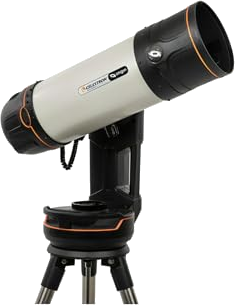
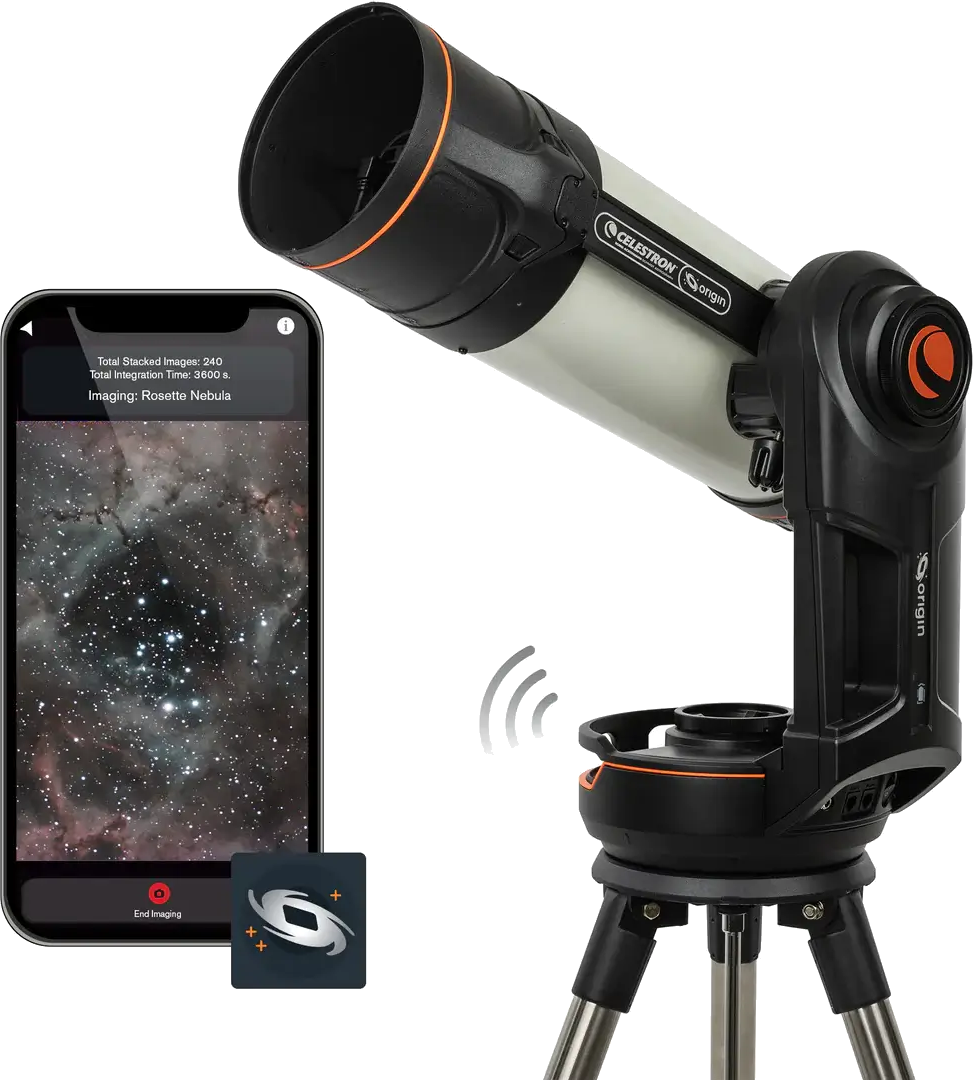
The Celestron Origin Mark II was newly announced in late-2025 and is an upgrade to the first version of the Origin which was released in 2024.
It has the most powerful telescope with great astrophotography credentials but is the biggest and heaviest by some distance and will need collimating.
It features a 6-inch aperture RASA telescope with a fast f/2.2 focal ratio. The built-in camera has a 8.3 MP resolution.
The camera is the only upgraded component from the first version that had a 6 MP resolution.
It utilizes the single fork-arm alt-azimuth mount from the Celestron NexStar Evolution telescopes.
Overall, this is the best for actual astrophotography but it is much heavier and larger than other options – at 40 lbs (19 kg) it is pretty much double that of any other option.
The Origin would suit someone looking for a shortcut to a real astrophotography telescope setup, rather than just a cool toy to have in your backyard.
Read the Celestron Origin review
Specifications:
- Aperture: 152 mm (6 inch)
- Focal Length: 335 mm
- Focal Ratio: F/2.2
- Weight: 41.6 lbs (18.9 kg)
- Height: 122 cm (fully assembled)
- Sensor: Sony IMX678
- Resolution: 8.3 MP (3856 x 2180 px)
- Year of release: 2025
- Key Features: Highest aperture telescope with Celestron’s RASA astrophotograpy technology
Brand new smart telescope from Celestron in 2025
- Large 6-inch aperture RASA astrophotography telescope
- Fast f/2.2 focal ratio
- 8.3 MP camera
- All-in-one package that takes astrophotography images for you at the press of a button from your smartphone
- The best smart telescope for imaging
- Weighs over 19 kg / 40 lbs
ZWO Seestar S30
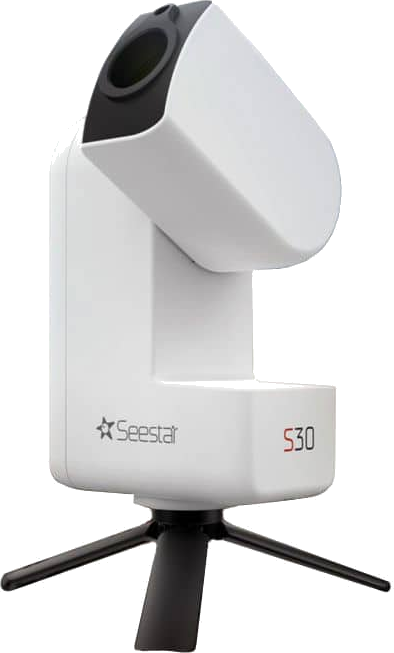
The ZWO Seestar S30 is the smaller and cheapest smart telescope, alongside the Dwarf Mini.
The “S30” in the name refers to the aperture of the telescopes – with the S30 having 30mm.
Specifications:
- Aperture: 30 mm (1.2 inches)
- Focal Length: 150 mm (6 inches)
- Focal Ratio: F/5
- Weight: 3.6 lbs (1.6 kg)
- Height: 21 cm (8 inches)
- Sensor: Sony IMX662
- Resolution: 2.1 MP (1920 x 1080 px)
- Year of release: 2024
- Key Features: Very light and small, no collimation, inexpensive
Budget Portable Smart Telescope
- Extremely small, light and portable
- 30mm aperture and 150mm focal length
- ZWO has a track record of delivering high-performing astrophotography gear
- Relatively small size & weight also means relatively low telescope specs
Dwarflab Dwarf Mini
The Dwarf Mini was released in late-2025 and is a close alternative to the SeeStar S30 in terms of specifications and price.
Watch this video here (or read this article) if you want to understand more about how they compare:
Specifications:
- Aperture: 30 mm (1.2 inches)
- Focal Length: 150 mm (6 inches)
- Focal Ratio: F/5
- Weight: 0.85 kg (without tripod)
- Sensor: Sony IMX662
- Resolution: 2.1 MP (1920 x 1080 px)
- Year of release: 2025
- Key Features: Very light and small, no collimation, inexpensive
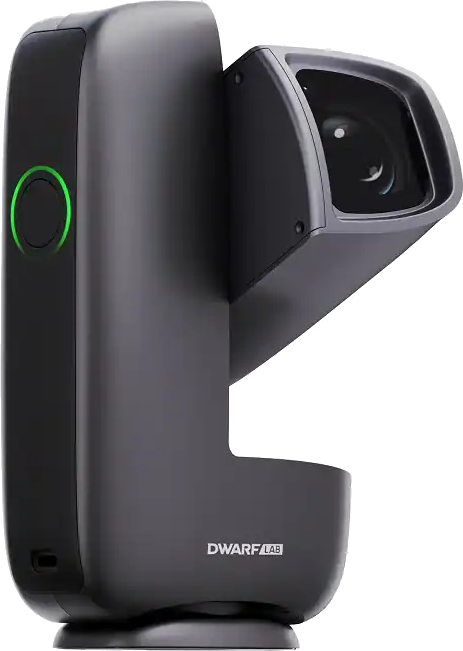
The latest smart telescope from Dwarflab
- Super light
- Very affordable
- Great imaging capacity
- Need to add a tripod (or use one you already own)
Seestar S30 Pro
The ZWO Seestar S30 Pro is the high-performance version of the S30, released in early 2026.
While it maintains the ultra-portable form factor of the original S30, it introduces significant hardware upgrades that push it toward semi-professional results.
The biggest changes are under the hood:
- It features an upgraded Sony IMX585 sensor, providing 4K resolution and a much wider field of view.
- It also moves from a triplet to a quadruplet lens system for better color correction.
- Additionally, the secondary wide-angle camera is now a 48MP module capable of standalone Milky Way and star trail photography.
Watch this video (or read this article) if you want to understand more about how it compares to the other budget options:
Specifications:
- Aperture: 30 mm (1.2 inches)
- Focal Length: 160 mm (6 inches)
- Focal Ratio: F/5
- Weight: 1.65 kg
- Sensor: Sony IMX585 (main) / Sony IMX568 (wide)
- Resolution: 8.3 MP (3840 x 2160 px)
- Year of release: 2026
- Key Features: 4K imaging, quadruplet APO lens, 48MP Milky Way mode, 128GB storage, NFC pairing.
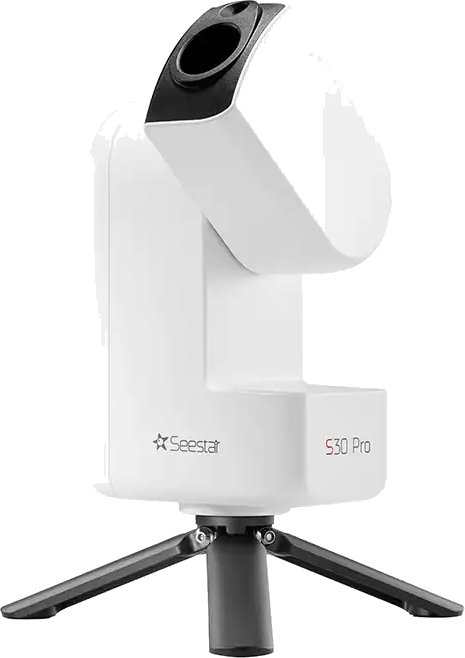
The latest ZWO Seestar smart telescope
- Newly released in 2026
- 8MP high-resolution camera
- Secondary wide-angle camera allowing landscape astrophotography (Milky Way, Star Trails)
- Small and lightweight
- Tripod, solar filter and carry case all included
Smart Telescope Comparison Charts
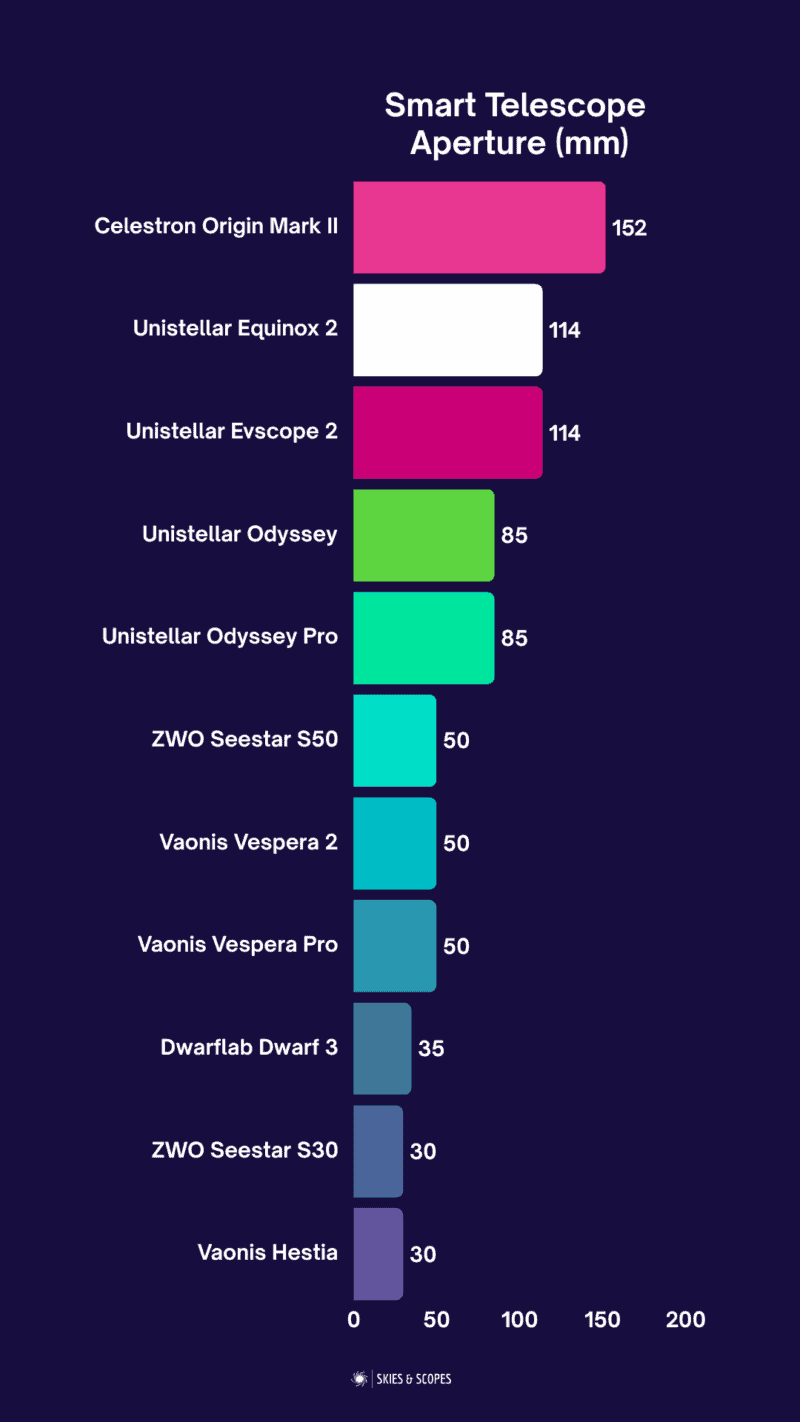
Aperture
Aperture is the best measurement of how good a telescope is at gathering light and creating images.
The higher this is the better, but that usually also means heavier and more expensive.
The Celestron Origin has the biggest aperture telescope by some distance, with the Vaonis Hestia and SeeStar S30 the smallest:
Camera Resolution
The resolution of the camera impacts the quality and detail of the images that can be produced. The higher the better.
The Vaonis Vespera Pro has the highest resolution camera, followed by the Vespera II.
Perhaps surprisingly some of the cheaper options have higher megapixel camera sensors:
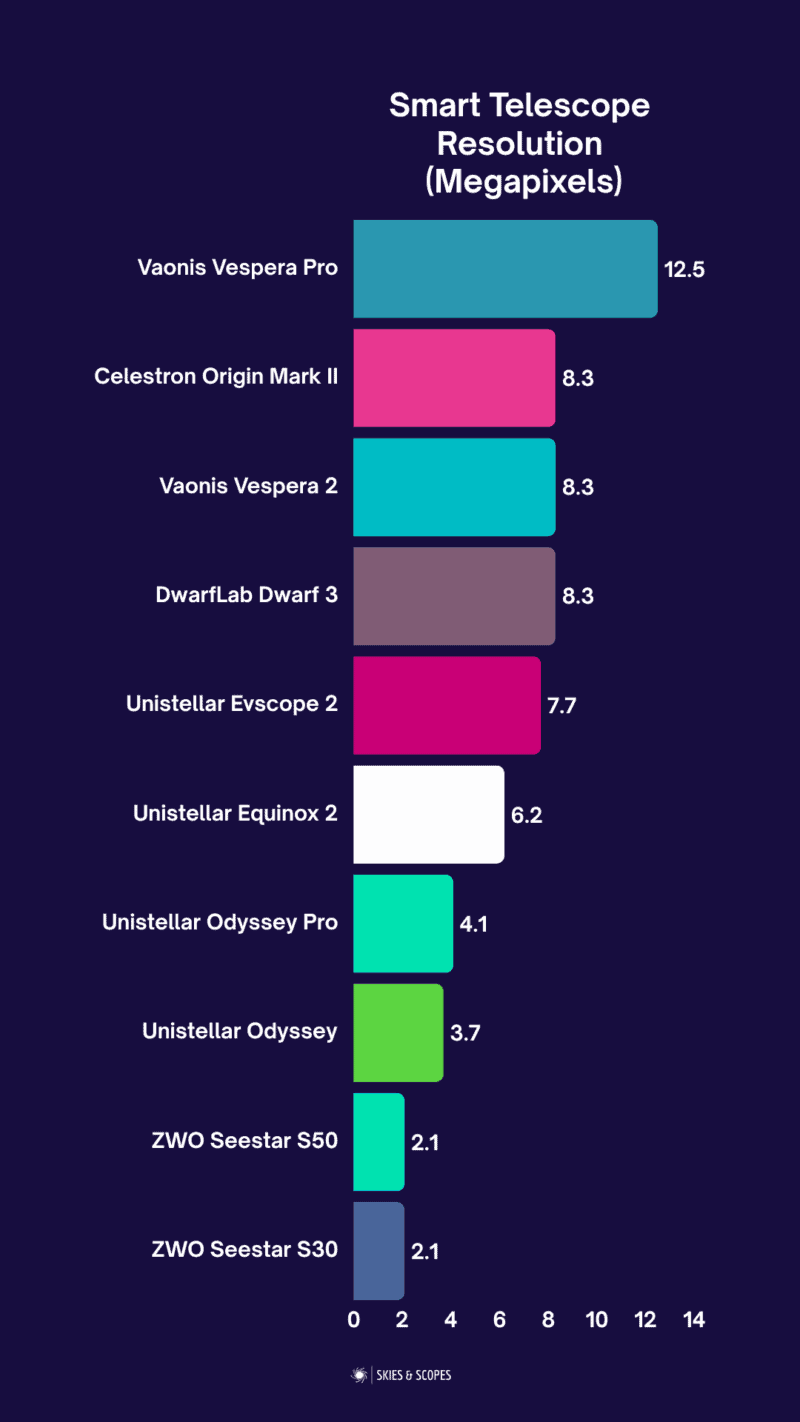
Note, the Hestia is not in this chart because it doesn’t have its own camera.
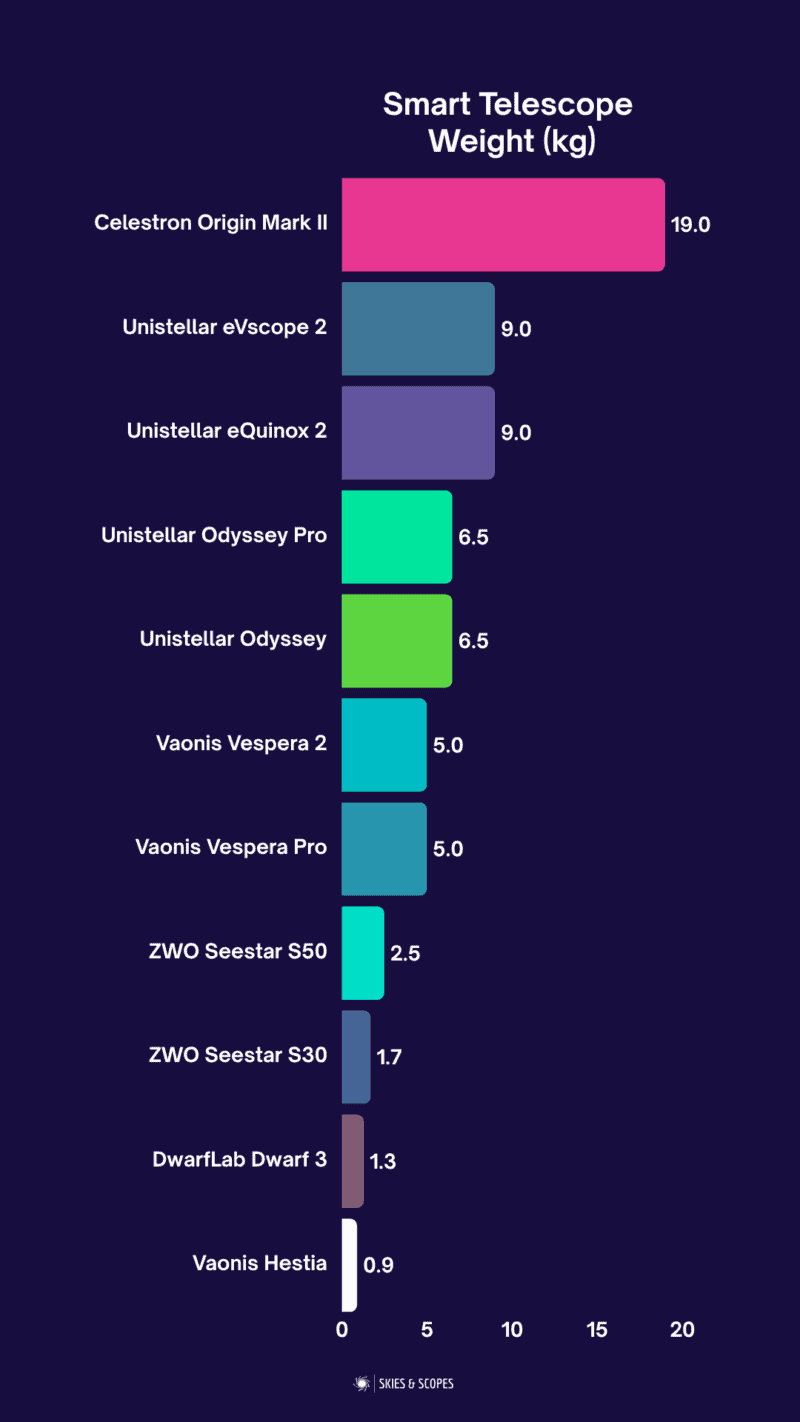
Weight
The other key metric to compare is weight, since one of the selling points of smart telescopes is their portability and ease of setup and use.
As you can see, most smart telescopes are relatively light.
Only the Celestron Origin is what you might call “heavy” and that is the trade-off for its higher aperture telescope.
Other/Older Smart Telescopes
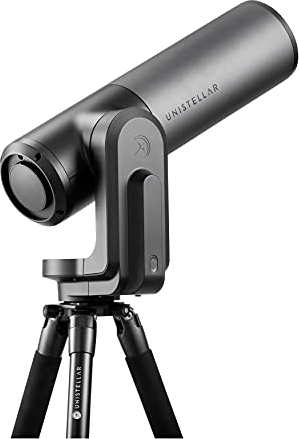
Unistellar eQuinox
The Unistellar eQuinox was succeeded by eQuinox 2 in 2023.
However, at the time of writing the original eQuinox is still available and given its very similar specs, makes a great option if you can get it for a good price.
It’s very similar in terms of specifications to the eVscope 2 and eQuinox 2 – a 4.5-inch aperture reflector telescope with the same focal length and the same Sony sensor.
Like all Unistellar models, it enables you to join a citizen astronomy network and take part in fun and educational initiatives
Specifications:
- Aperture: 114mm (4.5 inches)
- Focal Length: 450mm (17.7 inches)
- Focal Ratio: F/3.9
- Weight: 19.8 lbs (9 kg)
- Sensor: Sony IMX224
- Resolution: 4.8 MP
- Year of release: 2021
Unistellar eVscope eQuinox Smart Digital Telescope
- Powerful reflector telescope with a 4.5-inch aperture lens
- Control with your smartphone via dedicated app
- Join Citizen Astronomy networks and help detect near-earth asteroids
Vaonis Stellina
The Stellina telescope from Vaonis was the original smart telescope.
However Vaonis now only promote the Vespera II, Vespera Pro and Hestia.
It was a great smart telescope, looked amazing, and worked perfectly, however, it has been overtaken in terms of key specs by other premium models and is larger and less portable than up-to-date options.
Read the Vaonis Stellina review
Specifications:
- Aperture: 80mm (3.15 inches)
- Focal Length: 400mm (15.75 inches)
- Focal Ratio: F/5
- Weight: 24.7 lbs (11.2 kg)
- Height: 68cm (26 inches) – with tripod
- Sensor: Sony IMX178
- Resolution: 6.4MP (3096 x 2080 px)
- Year of release: 2019
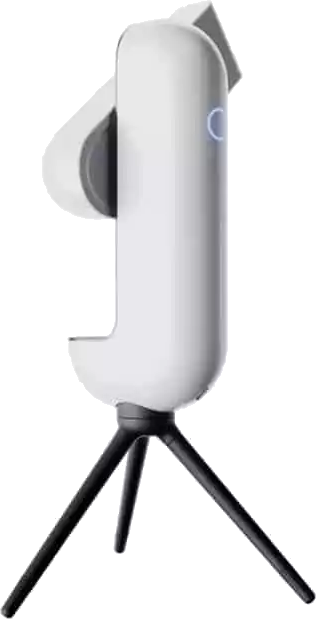
Vaonis Vespera
The Vaonis Vespera is the original premium portable smart telescope but was succeeded by the upgraded Vespera II in 2024.
The upgraded models use the same telescope – and so are the same size and weight – but have improved cameras.
The Vespera is well loved though and really not that old to have been replaced.
It is still for sale at the time of writing and so, like the Stellina or eQuinox, could make a great option for a bargain hunter if you see it reduced.
Read the Vaonis Vespera review
Specifications:
- Aperture: 50 mm (2 inches)
- Focal Length: 200 mm (7.9 inches)
- Focal Ratio: F/4
- Weight: 11 lbs (5 kg)
- Height: 40 cm (15 inches)
- Sensor: Sony IMX462
- Resolution: 2 MP (1920 x 1080 px)
- Year of release: 2022
Compact Premium Smart Telescope
- Easily Take Photos of Deep Sky Objects
- Control With Your Smartphone
- Compact and Portable
Vaonis Hyperia
The Vaonis Hyperia is a completely different beast from all other smart telescopes and is not on sale “from “off-the-shelf”. Rather it needs to be custom ordered.
It’s substantially larger and more powerful than any other model:
- it stands at 6ft 9 inches (210 cm) tall, and
- it weighs 165 lbs (75 kg)
It’s a triplet refractor telescope (great for astrophotography) with a 6-inch (150 mm) aperture and a 61-megapixel camera sensor.
Vaonis are pricing it at $45,000, so this is a serious telescope aimed at those with observatories and similarly high-priced telescopes and mounts.
Best Smart Telescope FAQs
Do smart telescopes take good pictures?
Smart telescopes do take good photographs of astronomical objects.
Experienced astrophotographers will prefer the results they get from conventional telescope/mount/camera set-ups, however the time and dedication required to get to this level is beyond most casual users looking for an easier way to get into astrophotography.
Here is an image of the Carina Nebula taken with the Vaonis Stellina:

And with a Vespera:

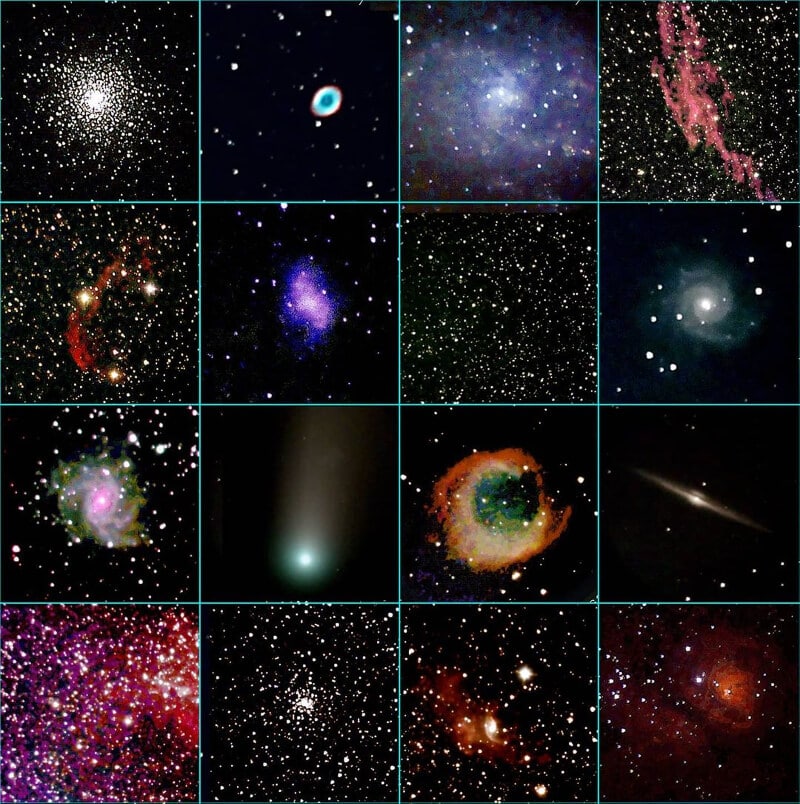
Here is a collage of images taken with the Unistellar eVscope:
What is Mosaic Mode?
This allows you to take multiple images and stitch them together, enabling a wider field of capture.
What is Citizen Science?
One of the perks of owning a Unistellar telescope is that with it you can take part in Citizen Science projects:
“Members use their UNISTELLAR telescope to collect astronomical data, which is supplied to SETI Institute astronomers who then use it to develop predictions and models. Our Citizen Astronomers observe space objects such as asteroids, comets, exoplanets and more.”
Unistellar
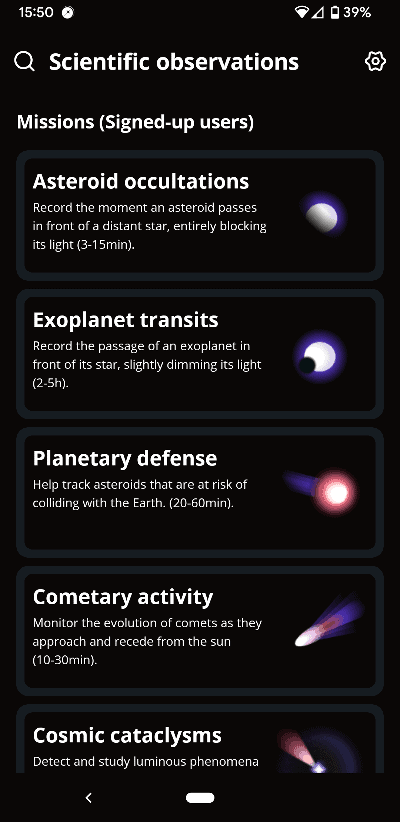
You can read more about this on Unistellar’s website here.
What is a digital telescope?
A digital telescope is another term that is sometimes used for a smart telescope (as well as hybrid telescope).
Therefore the models recommended here are the best digital telescopes and the best hybrid telescopes.
Verdict: What’s the Best Smart Telescope to buy?
With many new smart telescopes entering the market in 2025 it’s getting harder to stay on top of and consider all the different options.
Overall right now there are 12 great options that would all suit different users. It really depends on your budget and what you want to prioritize.
You can get a refresher on each model here:
- Easy to use with no collimation required
- Features eyepiece for live viewing of the night sky
- Portable with a compact size and light weight
- Join Citizen Astronomy initiatives
- Slightly lower spec than some premium alternatives
- Relatively expensive
- Easy to use with no collimation required
- Portable with a compact size and light weight
- Join Citizen Astronomy initiatives
- Slightly lower spec than some premium alternatives
- No eyepiece for real-time viewing like the Odyssey Pro
- Large telescope aperture and highest resolution camera of any smart telescope
- Eyepiece allows real-time viewing
- Join Citizen Astronomy initiatives
- The most expensive smart telescope
- May need occasional adjustment (collimation)
- Very similar to the eVscope 2 but cheaper
- Join Citizen Astronomy initiatives
- Lacks the eyepiece of the eVscope 2
- May need occasional adjustment (collimation)
- Shoot deep space objects in minutes with no expertise or experience necessary
- Great value at a budget price
- Light and portable - easy to store and travel with
- Limited image quality with relatively low aperture
- Not good for planetary imaging with short focal length
- Slightly fiddly setup and calibration processes
- Brand new in 2025
- High-quality 6-inch aperture f/2.2 RASA telescope for real astrophotography excellence
- 8.3 MP camera
- Mount and all accessories included
- Weighs over 40 lbs, double that of the closest alternative
- Relatively expensive
- Turns your smartphone into a smart telescope
- Extremely easy to use - just attach your phone and allow the app to guide you to capture and process astrophotography images
- Compact and portable
- Future-proof with all smartphones compatible
- No tracking limits the capacity to capture deep sky images
- Small aperture
- Extremely small, light and portable
- 30mm aperture and 150mm focal length
- ZWO has a track record of delivering high-performing astrophotography gear
- Relatively small size & weight also means relatively low telescope specs
- Super light
- Very affordable
- Great imaging capacity
- Need to add a tripod (or use one you already own)
- Newly released in 2026
- 8MP high-resolution camera
- Secondary wide-angle camera allowing landscape astrophotography (Milky Way, Star Trails)
- Small and lightweight
- Tripod, solar filter and carry case all included
- Small aperture
- Same compact size as the Vespera II but with a better camera and other upgrades
- Simple, quick and easy to use
- Mosaic mode allows the capture of widefield images
- Lower spec than other premium smart telescopes
- Simple, quick and easy to use
- Compact and Portable
- Mosaic mode allows the capture of widefield images
- Lower spec than other premium smart telescopes
Submit Your Smart Telescope Review
If you own (or have used) any of these smart telescopes, you can submit your reviews and ratings to us via this form to be incorporated in this article: