We analyzed nearly 1000 images shortlisted for the Astronomy Photographer of the Year competition in the past seven years to find the Best Telescopes for Astrophotography.
See quick links for the top models below or read on for all the data.
Top Pick 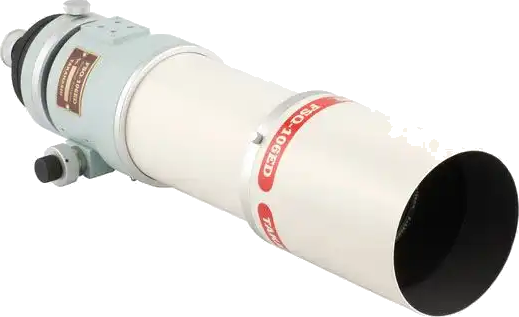 | Value Performer 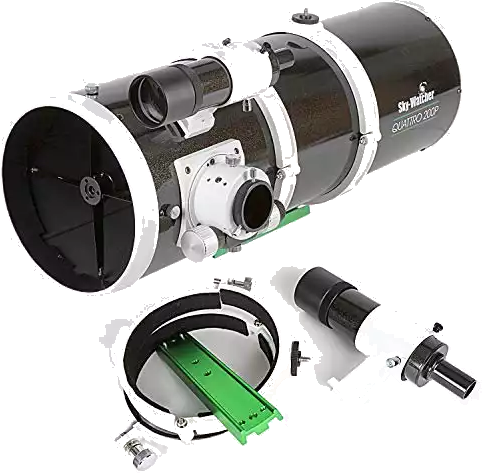 | Planetary Pick 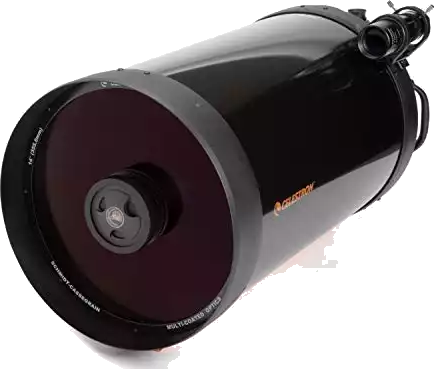 | Beginner's Pick 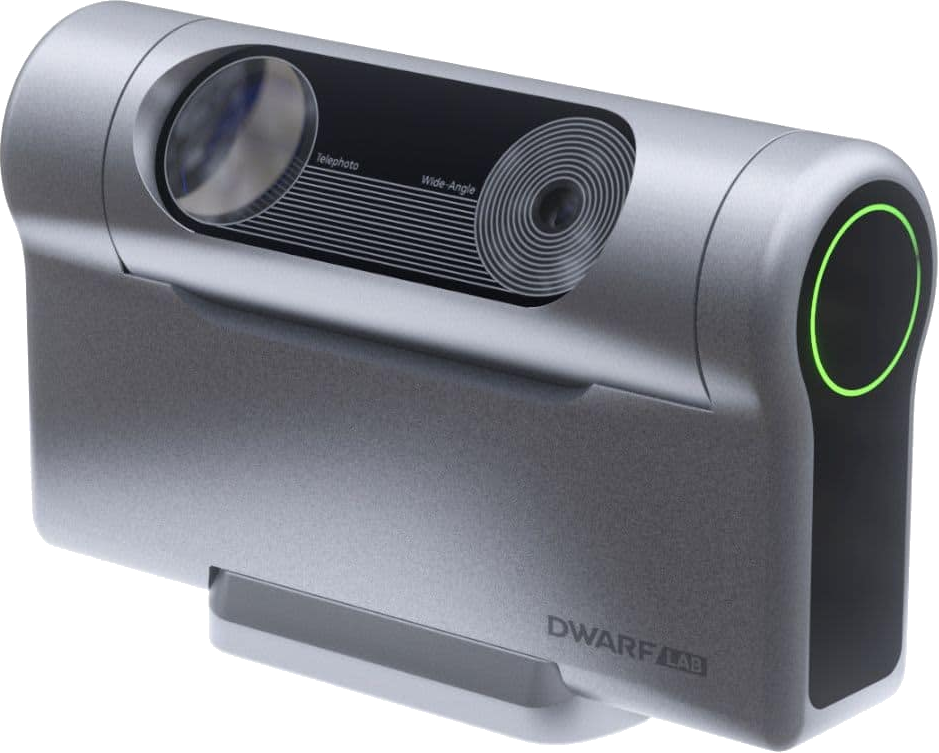 |
Type: Apochromatic Refractor | Type: Imaging Newtonian | Type: Schmidt-Cassegrain | Type: Smart Telescope |
Aperture: 4 inch (102 mm) | Aperture: 8 inch (203 mm) | Aperture: 14 inch (355 mm) | Aperture: 1.6 inch (35 mm) |
Focal Length: 530 mm | Focal Length: 800 mm | Focal Length: 3910 mm | Focal Length: 150 mm |
Focal Ratio: F/5 | Focal Ratio: F/4 | Focal Ratio: F/10 | Focal Ratio: f/4.3 |
Best Telescopes for Astrophotography – The Data
We went through seven years of data from all images shortlisted for the Astronomy Photographer of the Year Competition from 2018 to 2024 – you can see the full study here that covers all gear.
In this article we have pulled out the data to focus just on the astrophotography telescopes used.
Of the 986 images from the competition, 511 used telescopes (as opposed to landscape astrophotography images using regular camera lenses), so that is the data we are analyzing here.
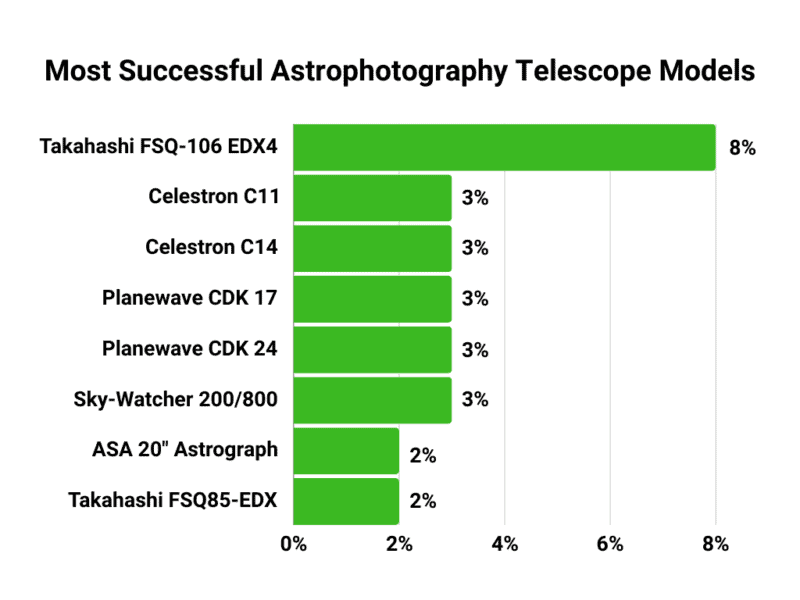
The most successfully used individual telescope models are:
- Takahashi FSQ-106EDX4
- Celestron C11
- Celestron C14
- Sky-Watcher 200/800 Newton Astrograph
- Planewave CDK 17
- Planewave CDK 24
- Takahashi FSQ85-EDX
- ASA 20″ Astrograph
Celestron, Takahashi, and Sky-Watcher are the most successful brands/manufacturers:
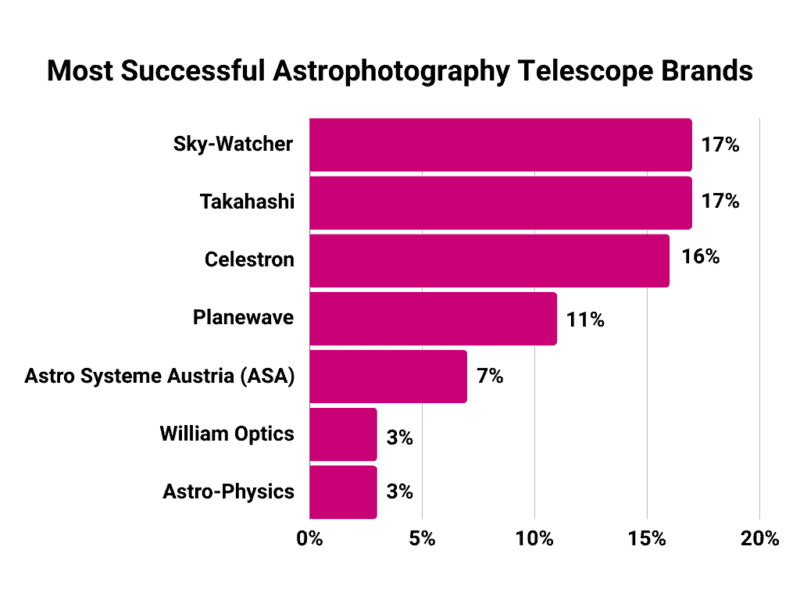
From these:
- The Takahashi and Sky-Watcher models are most successful for deep sky imaging
- The Celestron models specialize in planetary imaging
As for telescope types, apochromatic refractors, newtonian reflectors and Schmidt-Cassegrains are the most commonly (and successfully) used:
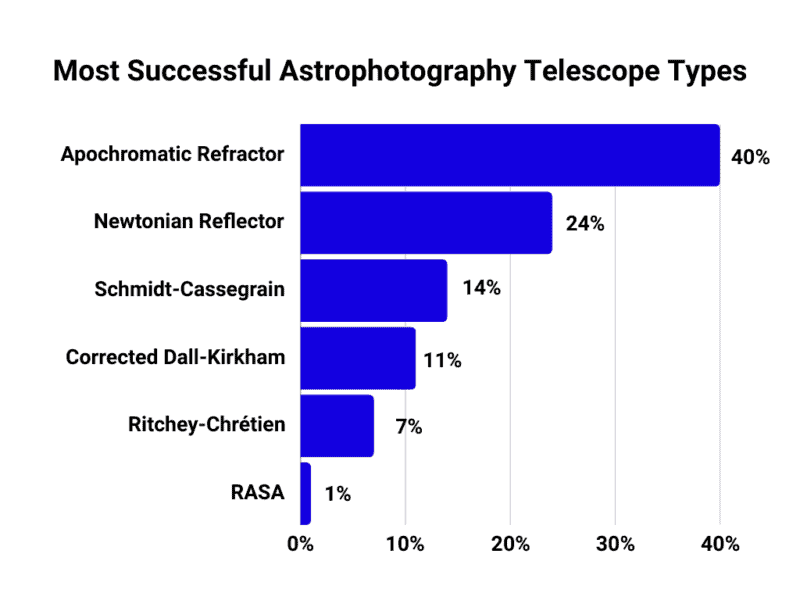
When you break this down by planetary versus deep sky imaging, we find:
- Schmidt-Cassegrain Telescopes (SCTs) from Celestron dominate for planetary imaging
- Apochromatic refractors and Newtonians from Takahashi, Sky-Watcher, and others lead for deep-sky imaging
SCTs, Apochromatic refractors and imaging newtonians are all telescope types that can be acquired relatively cheaply and so are accessible to more people (although many premium models do exist).
Corrected Dall-Kirkham (CDK) from Planewave and Richey-Chrétien from Astro Systeme Austria (ASA) are observatory-grade, ultra-premium telescopes.
We will now examine each of the top models that we recommend and explore the pros and cons of each.
Best Telescopes for Astrophotography
Takahashi FSQ-106EDX4
Best Telescope for Astrophotography
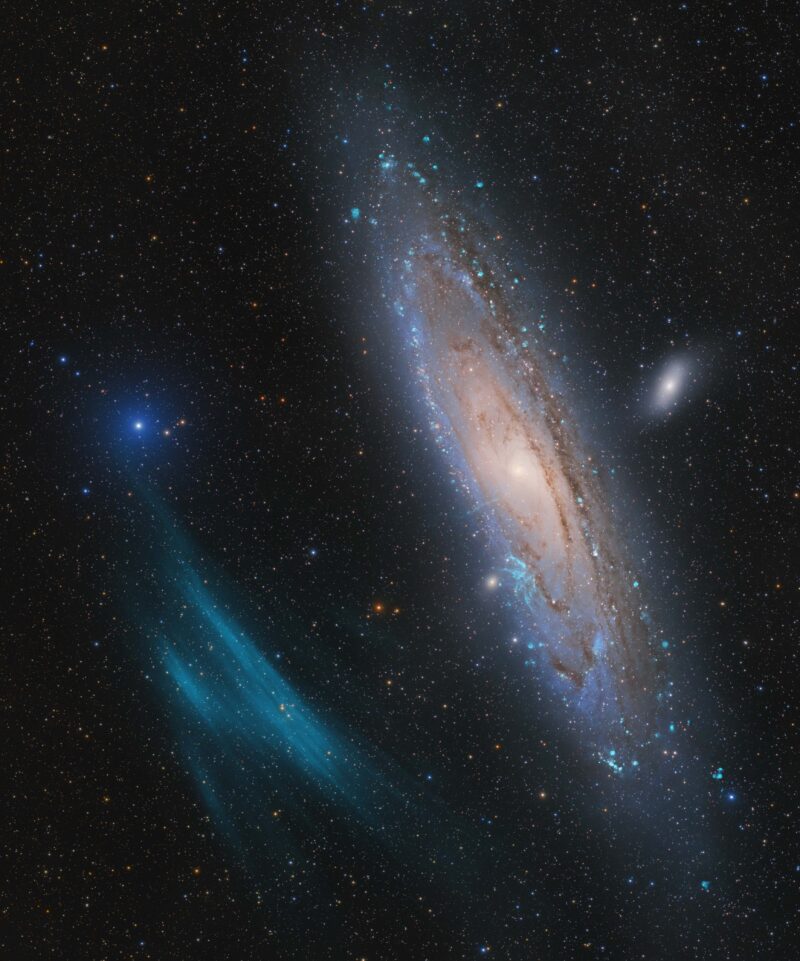
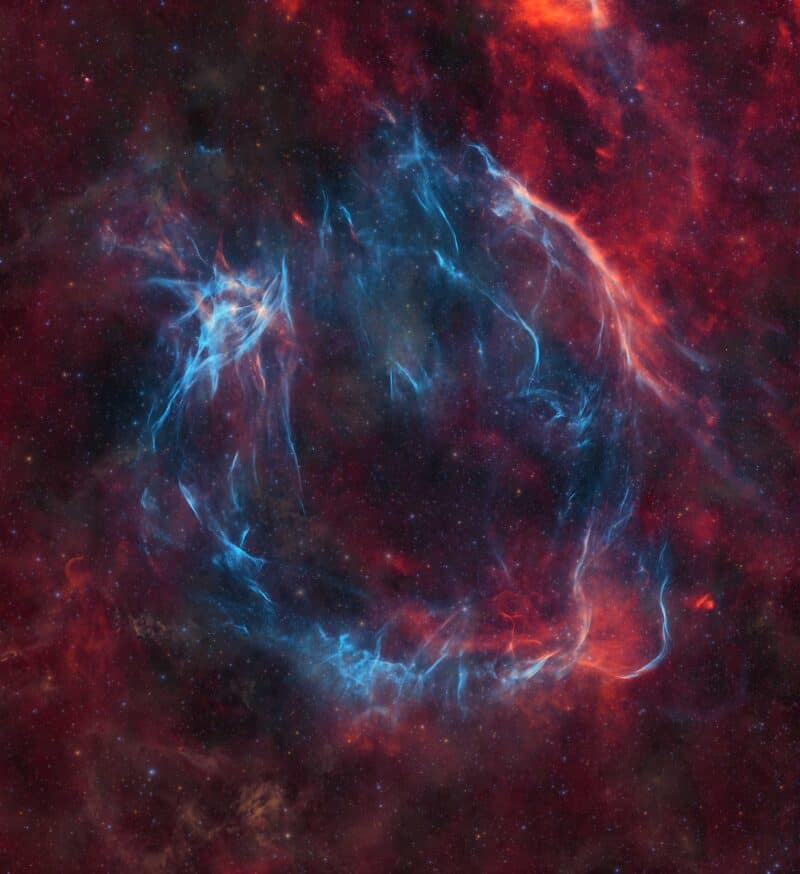
The number one astrophotography telescope in our data by far is this model from Takahashi.
You can see some images here taken with this telescope:
Pros
- Most successful telescope for astrophotography in the Astronomy Photographer of the Year Competition
- Completely designed with imaging in mind – Flat field advanced Petzval quadruplet lens system with extra-low dispersion (ED) glass
Cons
- Expensive
- Standalone telescope OTA and so needs mount and accessories separately
Key specifications
- Type: Quadruplet Petzval Apochromatic Refractor
- Aperture: 4 inch (106 mm)
- Focal Length: 21 inch (530 mm)
- Focal Ratio: f/5
- Weight: 15.4 lbs (7 kg)
Quadruplet Petzval Refractor Telescope for Astrophotography Imaging
- Most successful telescope for astrophotography in the Astronomy Photographer of the Year Competition
- Flat field advanced Petzval quadruplet lens system with extra-low dispersion (ED) glass
Sky-Watcher Quattro 200P
Budget Pick
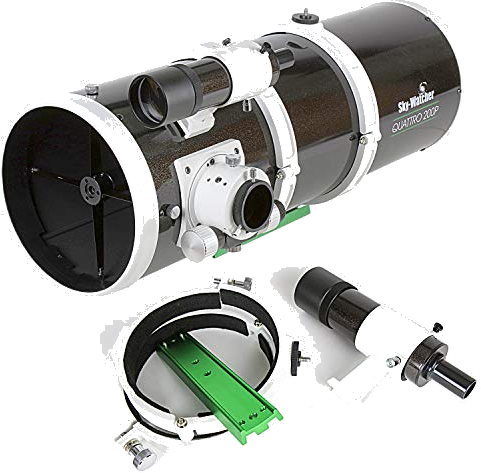
Our astrophotography competition data above shows that this telescope is the third most successful telescope for deep-sky imaging, and fifth most successful overall.
It is a relatively budget telescope and so is notable that it is holding its own alongside some really advanced specialist telescopes that cost a lot more.
This is a real bargain if you can find it in stock. You get a large 8-inch aperture and an extremely fast focal ratio of F/4.
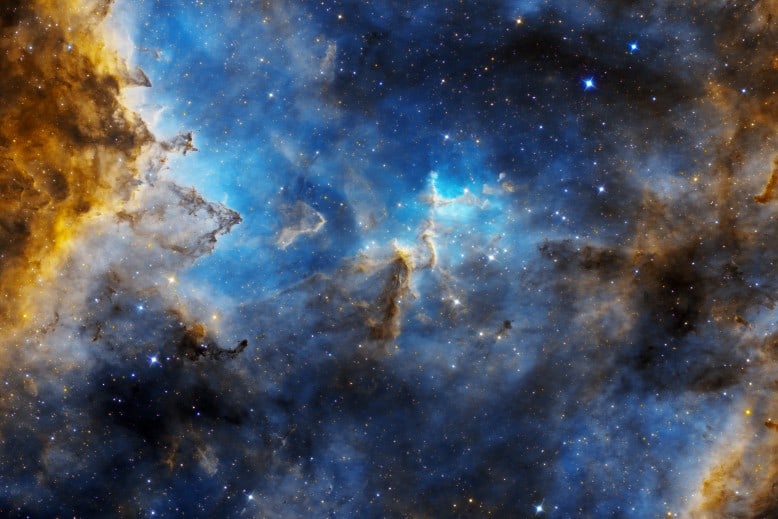
Overall, reflectors like this are slightly harder to handle than refractors due to the weight and size but this provides great value and our findings show that it can produce astronomy images at the highest level.
It also works for both observing and imaging, which is an advantage over the apochromatic refractor models (like the Takahashi above).
There are also 10-inch and 12-inch versions of this telescope available that are more powerful but more expensive, plus also a smaller 6-inch version.
Pros
- Proven performer for deep space astrophotography
- Great value in terms of aperture to price
Cons
- Fairly large and bulky and not so portable
- Not a package, so you will have to have a separate mount
Key specifications
- Type: Newtonian Reflector
- Aperture: 8 inch (203 mm)
- Focal Length: 31.4 inch (800 mm)
- Focal Ratio: f/3.9
- Weight: 21 lb (9.5 kg)
- Mount: Not included
Value Imaging Newtonian Telescope for Astrophotography
- Large 8-inch Aperture
- 800mm Focal Length
- Fast F/4 Focal Ratio
- Great value for the price
Celestron C14
Best for Planetary Astrophotography
The Celestron Schmidt-Cassegrains are the most popularly used telescopes for planetary imaging.
They come in three size:
They can be bought as standalone OTAs or as part of packages with mount included.
As well as high aperture, they have very long focal lengths which makes them especially suited for planetary imaging, where a narrow field of view is best.
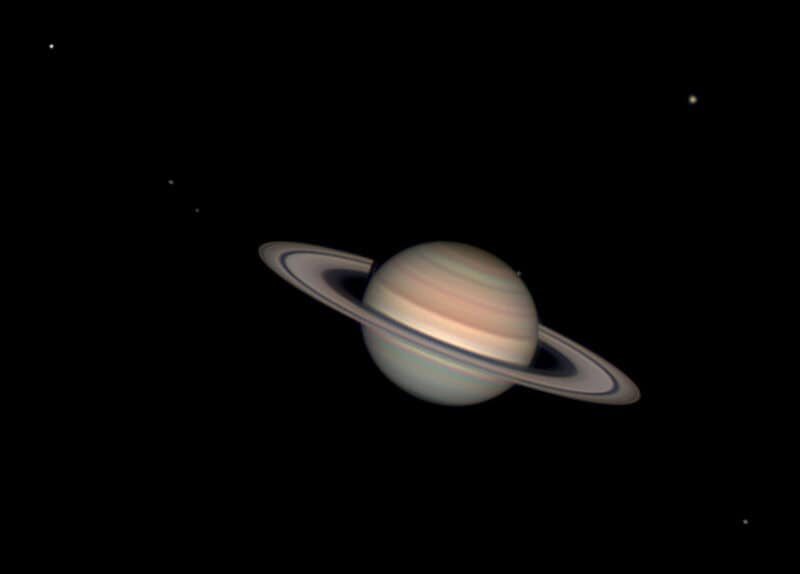
Here is an example image taken with a Celestron C14 telescope:
Pros
- Huge 14-inch aperture for great light gathering
- Long focal length for narrow field of view planetary imaging
Cons
- Expensive
Key specifications
- Type: Catadioptric (Schmidt-Cassegrain)
- Aperture: 14 inch (355 mm)
- Focal Length: 3910 mm
- Focal Ratio: f/10
- Weight: 45 lbs (20 kg)
Celestron's 14-inch Schmidt-Cassegrain Optical Tube Assembly (OTA)
- High 14-inch Aperture
- Long 3910mm Focal Length
- Starbright XLT Optical Coatings
- Perfect For Planetary Imaging
Dwarflab Dwarf 3
Beginner’s Smart Telescope
So i’m slightly cheating here as this is not actually featured in our data at all but I am including it on the assumption that many reading this article are not advanced astrophotographers that can spend thousands on telescopes (and then thousands more on a mount).
The Dwarf 3 is a smart telescope. This means that it is a device that includes a telescope and camera in one unit and is controlled by an app on your photo to take images of objects in the night sky (and the sun in the daytime with included filter).
The Dwarf 3 is brand new in 2024 and is a great budget smart telescope.
For me, this is the perfect introduction these days into astrophotography for beginners.
You get all you need in one easy-to-use package, and it is small, light and relatively affordable.
There are a number of great smart telescopes if you’d like to compare this model with others – see our comparison article here or watch the video below:
Pros:
- Small, light and comes in a perfectly fitted and cushioned carry case for travel
- Takes astrophotography images at the press of a button from your smartphone
Cons:
- Cannot be used for visual astronomy
Key specifications
- Type: Smart Telescope
- Aperture: 35 mm (1.4 inches)
- Focal Length: 150 mm (5.9 inches)
- Weight: 2.8 lbs (1.3 kg)
Budget Smart Telescope
- Shoot deep space objects in minutes with no expertise or experience necessary
- Great value at a budget price
- Light and portable - easy to store and travel with
- Limited image quality with relatively low aperture
- Not good for planetary imaging with short focal length
- Slightly fiddly setup and calibration processes
FAQs: Astrophotography Telescopes
Which type of telescope is best for astrophotography?
There are broadly three types of telescope that work well for astrophotography:
- Catadioptric telescopes – like the Celestron Schmidt-Cassegrain models. These are great for both observing and imaging. Depending on the size you get these can be reasonably compact but can get fairly large and heavy. These are particularly good for planetary photography.
- Apochromatic refractors – these can be very small and portable (but get bigger at higher apertures). They are used exclusively for imaging and not observing. They are particularly good for deep sky imaging.
- Newtonian Imaging telescopes – these tend to be very large and bulky but generally give the best bang for buck in terms of power for price. These are also mostly good for deep sky imaging.
What is best for you will depend on your budget and preferences regarding size and ease of use.
Aside from the telescope type, you also need to consider whether to buy as a bundle with a telescope, mount, and tripod all in one, or to just buy the telescope tube (OTA) and get the other bits separately.
Can you do astrophotography with any telescope?
You can definitely do some form of astrophotography with any telescope, the best telescope types for astrophotography are listed above.
One thing that will help is having an equatorial mount, rather than alt-azimuth. Broadly:
- Alt-az mounts are good for astronomy
- Equatorial are good for astrophotography
This is why dobsonians are great for observing but not so good for astrophotography, since the dobsonian mount is a version of an alt-az.
See the best mounts for astrophotography for more on this.
What size telescope do I need for astrophotography?
Telescope size is usually measured in aperture, with the higher this is the better the telescope will be as it means that it can gather more light and produce better visuals and images.
However, apochromatic refractors used for astrophotography can often have fairly small apertures due to the fact that they:
- Have short focal lengths to allow wide-field imaging
- Will be used with high-resolution cameras
- Will be used with high-quality mounts
This then means that you can shoot long exposures to gather the light for the image and so the need for high aperture diminishes.
In short, higher aperture is better but it is not as important when compared to using a telescope for astronomy where you need the high aperture to create an visual good enough for you to look at in real time with your eyes.
Whereas for astrophotography you can build a setup that gathers the light needed over a long exposure.
What’s the best telescope focal length for astrophotography?
Higher focal lengths are better for photographing the moon and planets, as you are zooming in closer to objects that are relatively near to the earth.
Lower focal lengths are better for deep space imaging, as you are capturing a wider expanse of space as these objects are much larger and further away.
One thing to pay attention to is the focal ratio. This is the f-number (f/2, f/10, etc) which is calculated by focal length divided by aperture.
The lower this is, the better, as it indicates that the telescope is faster and better for imaging.
Verdict: Best Telescopes for Astrophotography
In summary, our data tells us that:
- Takahashi FSQ-106EDX4 is the best for deep sky imaging
- Sky-Watcher 200/800 Quattro is a great telescope for deep sky astrophotography but is a bit bulky
- Celestron C14 is the best for planetary imaging
- Dwarf 3 is a budget smart telescope that is perfect for beginners wanting to take a first step into deep sky astrophotography
Please let us know if you have any thoughts on what we’ve covered here in the comments below.