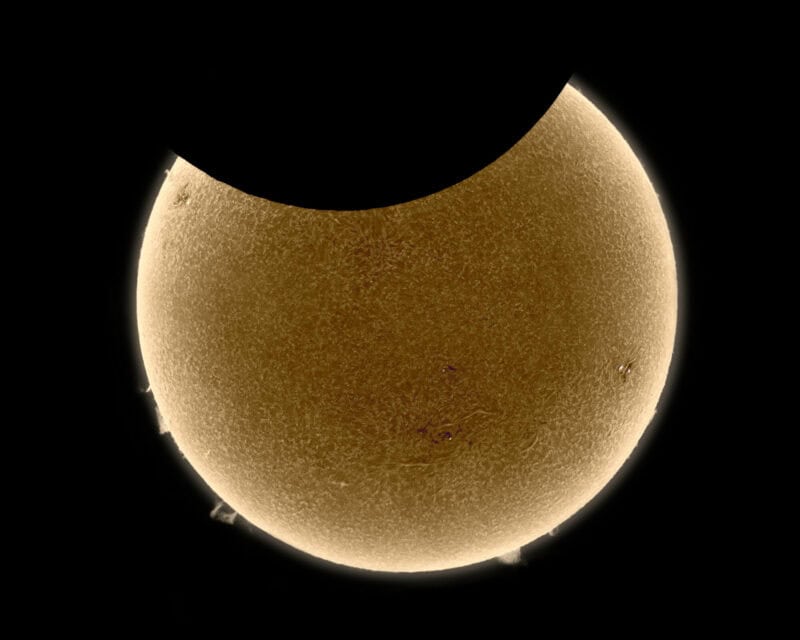
Alessandro Ravagnin is an award-winning deep sky and planetary astrophotographer from Italy.
Read below about how he captures images like these.
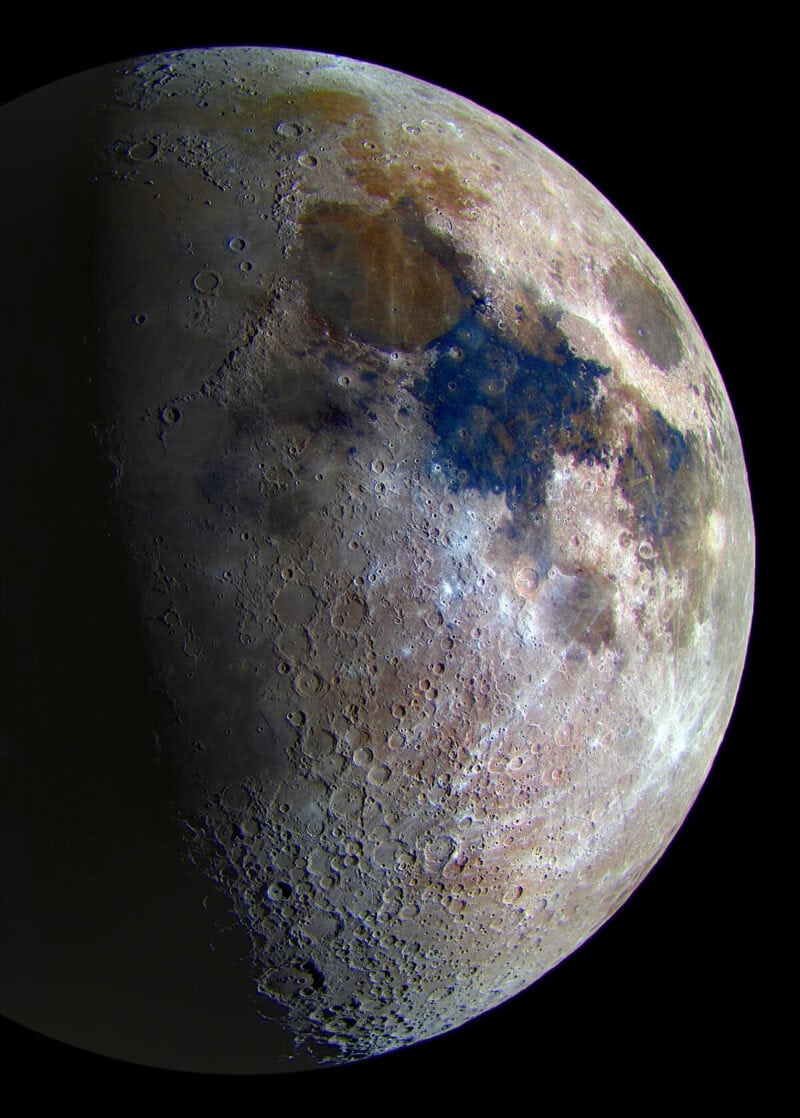
“I’m particularly drawn to challenging and less-explored targets that few others tackle, such as gravitational lenses, remote galaxies, distant quasars, and small planetary nebulae.”
Where are you, where do you do your astrophotography?
I live in Italy, close to Venice, and most of my astrophotography is done using a mix of local setups in my backyard and remote telescopes located in some of the best dark-sky sites worldwide.
For instance, I often use the telescopes in Rio Hurtado, Chile, which has incredibly dark skies and exceptional seeing conditions.
When observing locally, I take advantage of the equipment I have at home or during trips to darker locations in the Alps.
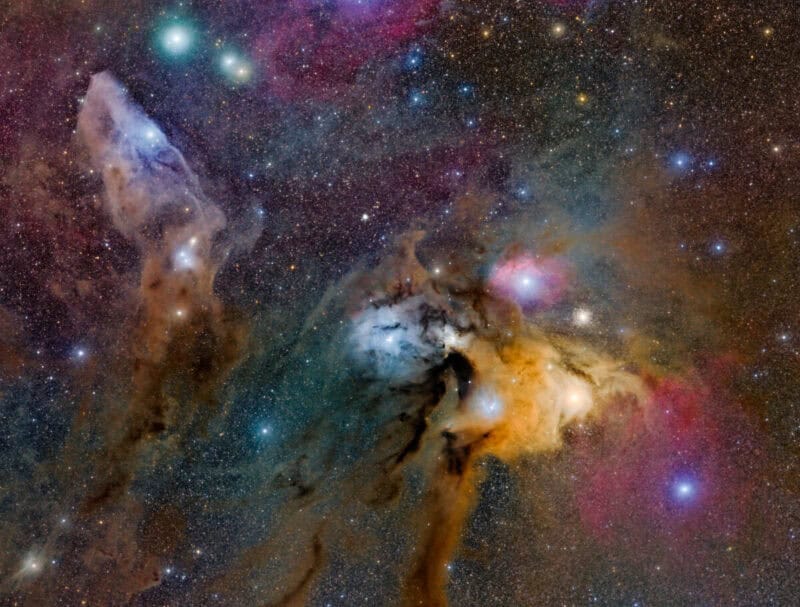
What’s your astrophotography focus?
My main focus is on deep-sky astrophotography, capturing galaxies, nebulae, and star clusters.
However, I don’t limit myself to just taking pictures, I enjoy delving deeper into the physical properties of what I observe.
I’m particularly drawn to challenging and less-explored targets that few others tackle, such as gravitational lenses, remote galaxies, distant quasars, and small planetary nebulae.
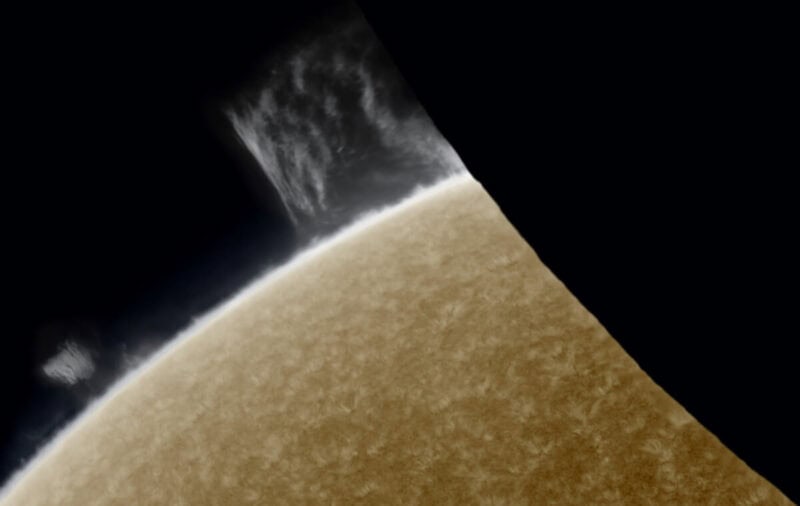
Since I don’t have access to dark skies locally, I prefer to focus on these unique and difficult objects rather than the more common “popular” targets.
This approach allows me to bring a personal touch and a sense of exploration to my work, pushing the boundaries of what can be achieved with the available tools and conditions.
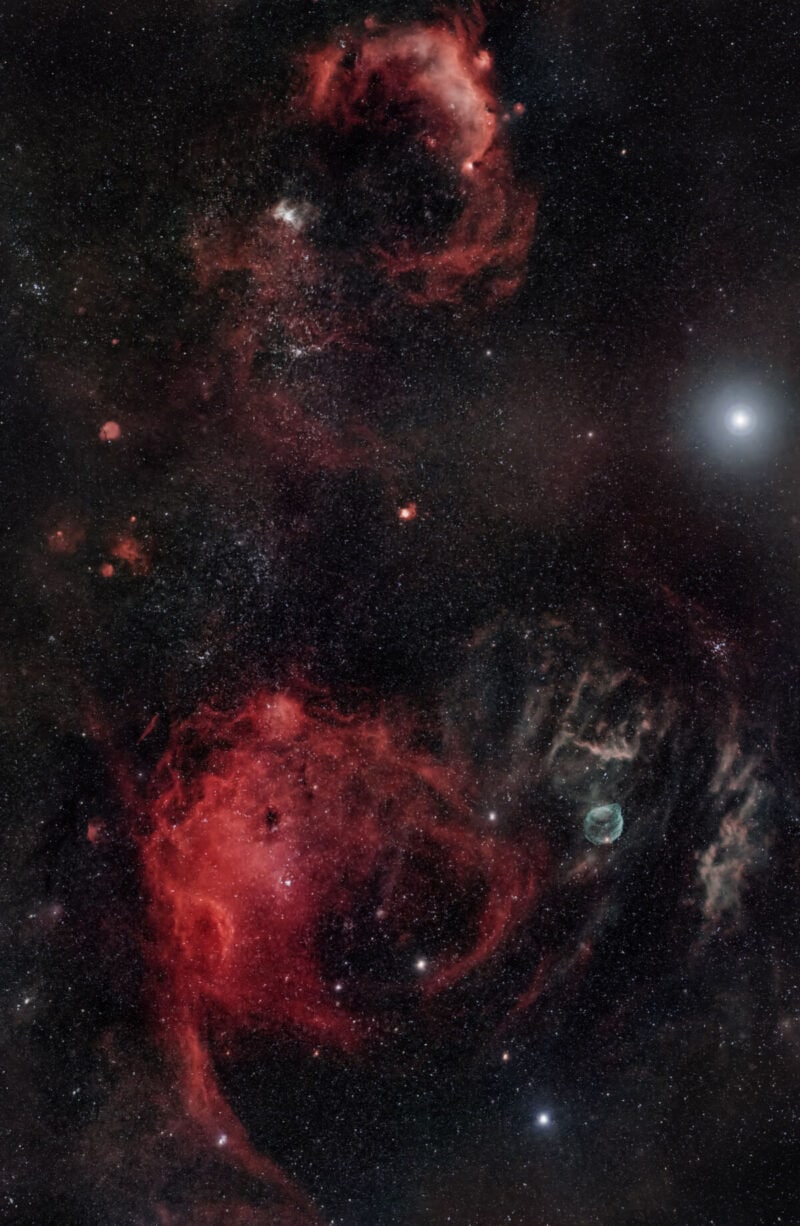
I’m also deeply involved in the ShaRA project, a collaborative initiative where we create detailed and artistic images of the night sky thanks to the remote Chilean telescopes, often combined with scientific insights.
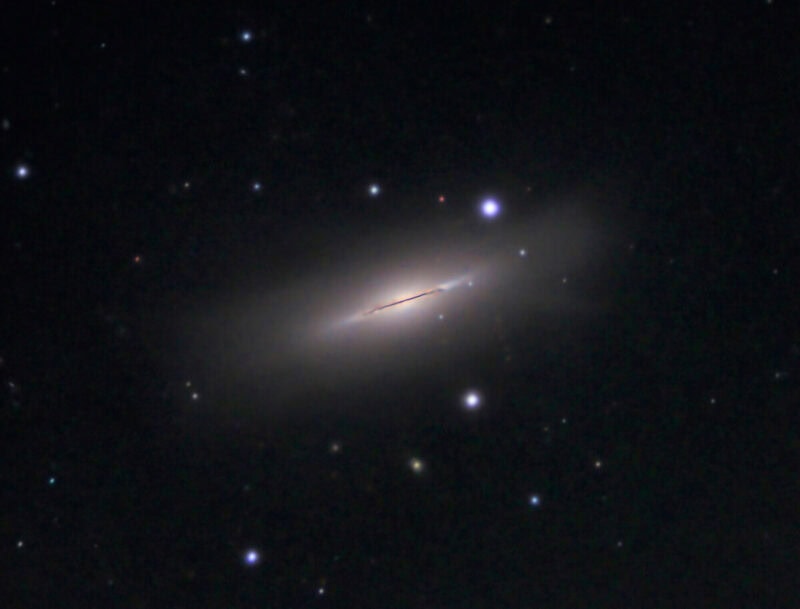
What equipment do you use?
I use a variety of equipment, depending on the project. My setup includes:
Telescopes, mounts & lenses:
- Celestron C11HD for high-resolution deep-sky and planetary imaging.
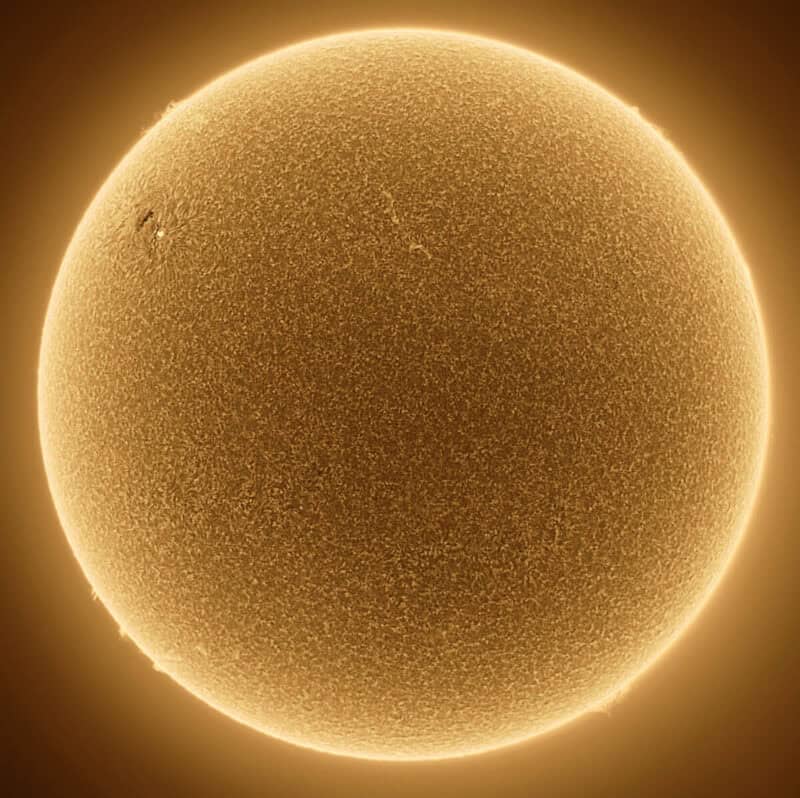
- Tecnosky 115/800mm refractor for solar observations, wide fields, guiding the C11HD
- EQ8 Sky-watcher mount inside a 2x2m Tecnoshelter observatory
- Canon 70-200mm f/4 lens for wide-field astrophotography and solar observations.
Cameras:
- ZWO ASI2600MM Pro camera for monochromatic imaging and spectroscopy.
- ZWO ASI2600MC Pro camera for comets and planetary observations
- ZWO ASI432MM camera for solar observations
- ZWO ASI183MM and ASI290MC cameras for planetary observations
Filters and other:
- L/R/G/B/H/OIII/SII/UHC/L-Extreme filters (Optolong and Baader)
- Baader Astrosolar Filter (280mm)
- Daystar Quark Prominence filter
- CH4/UV/IR filters
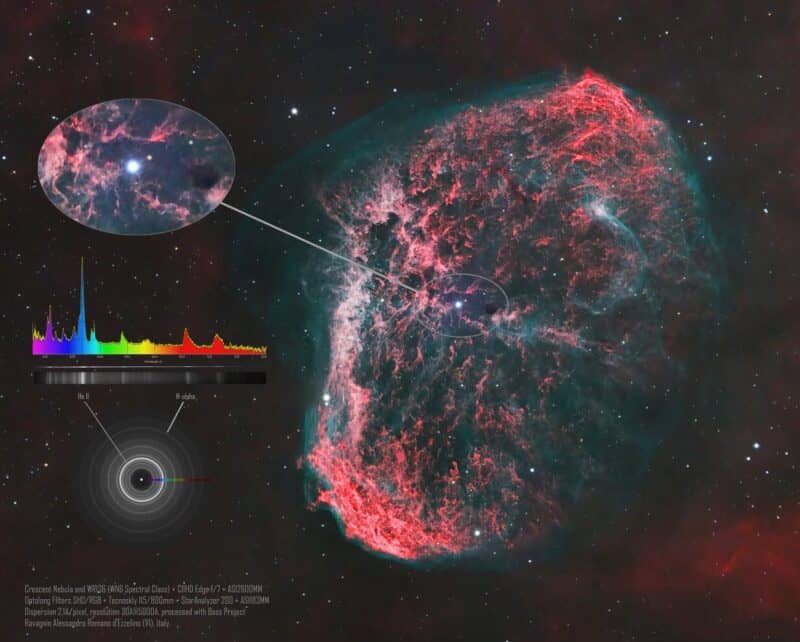
- StarAnalyzer and Sol’Ex/Star’Ex spectrographs
In the future, I’d like to upgrade the spectrograph.
The current Sol’Ex with its plastic housing has limitations, especially for long exposures on deep-sky objects (DSOs).
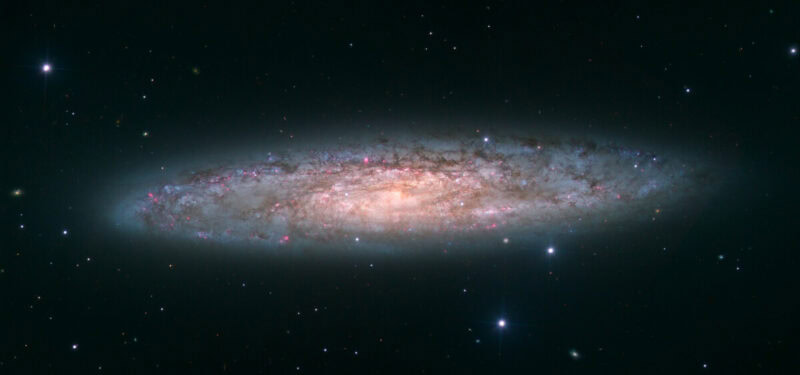
“Image processing is as important as capturing data; invest time in mastering the software.”
What do you do for post-processing?
Post-processing is a critical step in astrophotography.
I use this software for stacking, gradient removal, noise reduction, color balancing, deconvolution, etc:
- PixInsight
- Gimp
- ImPPG
- Autostakkert
- DeepSkyStaker
- Bass Project
- Photoshop Express
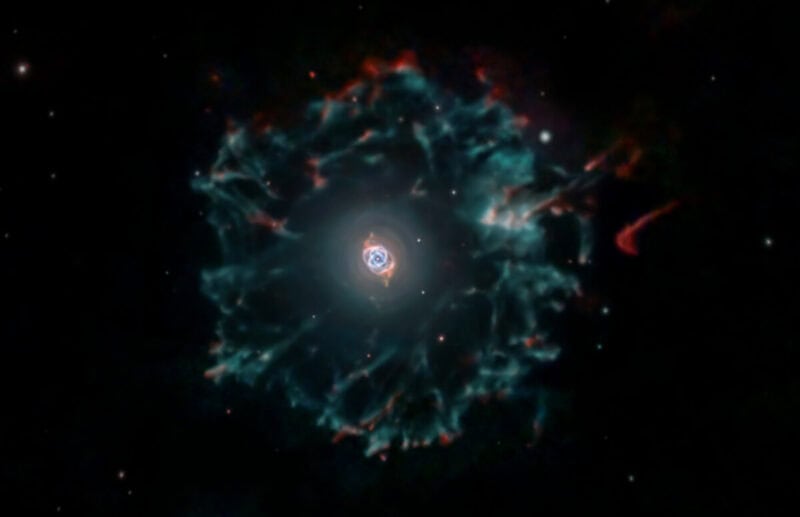
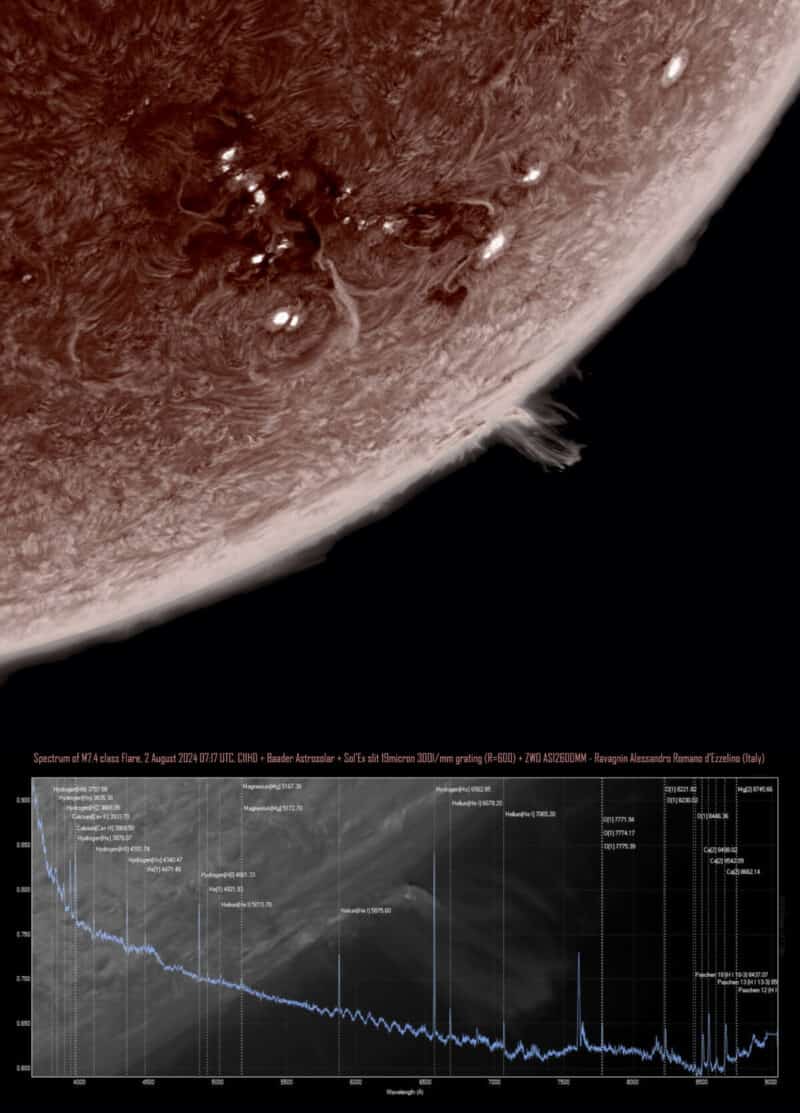
For spectroscopic data, I rely on Bass Project to analyze and visualize spectral lines.
The key is to extract as much detail as possible while maintaining a natural aesthetic.
What are your tips for beginner astrophotographers?
This is the list of the main tips I can say to a beginner:
- Start small: Begin with a DSLR and a basic tracking mount to capture wide-field shots. This helps you learn the basics of tracking, exposure, and post-processing.
- Be patient: Astrophotography requires dedication and persistence, especially under challenging conditions.
- Learn to process: Image processing is as important as capturing data; invest time in mastering the software.
- Join a community: Collaborating with others, like in ShaRA, can provide support, inspiration, and valuable learning opportunities.
- Understand your equipment: Take the time to know your gear inside out, as it will help you troubleshoot and improve your results.
- Study a lot and experiment!!!!
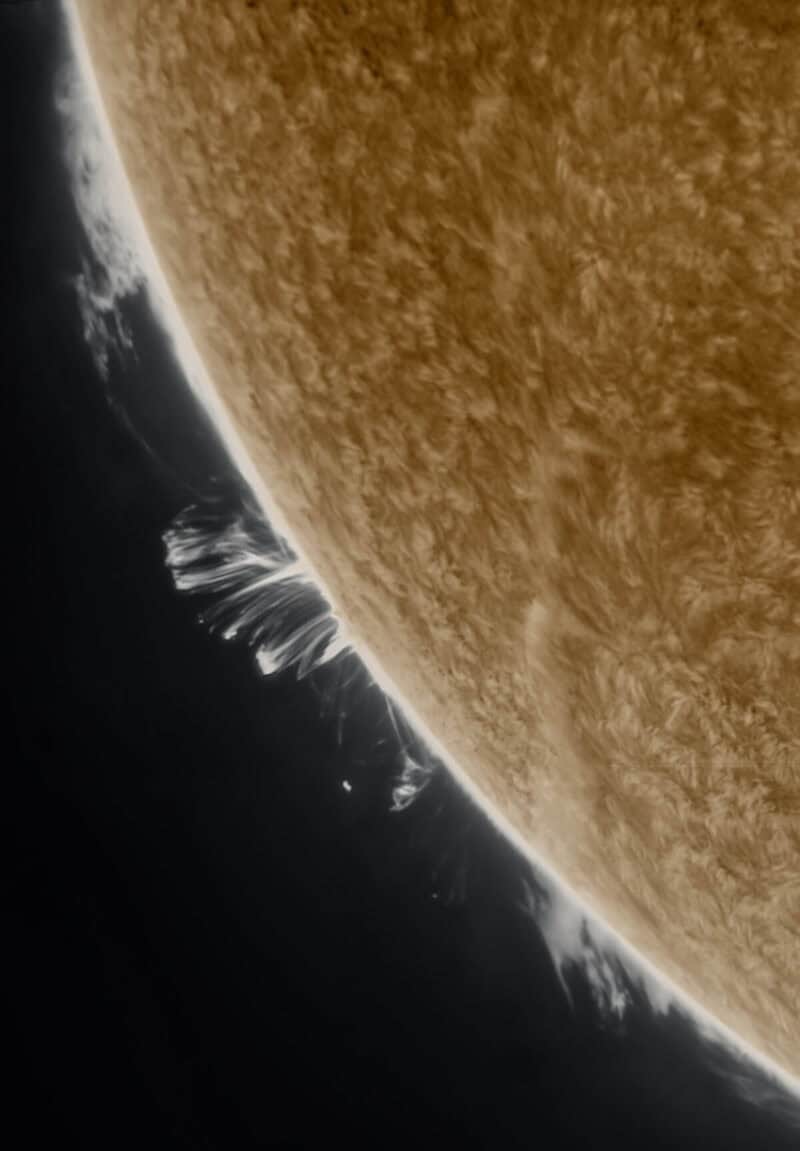
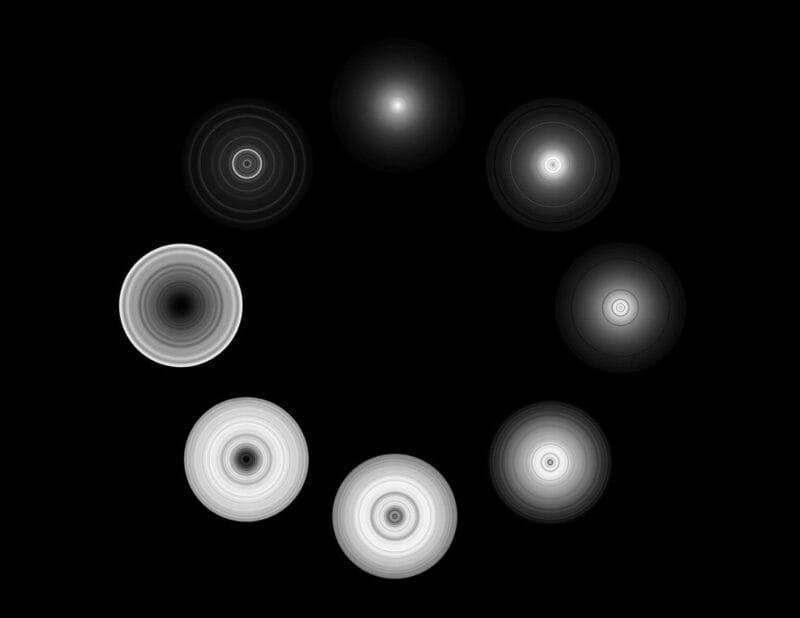
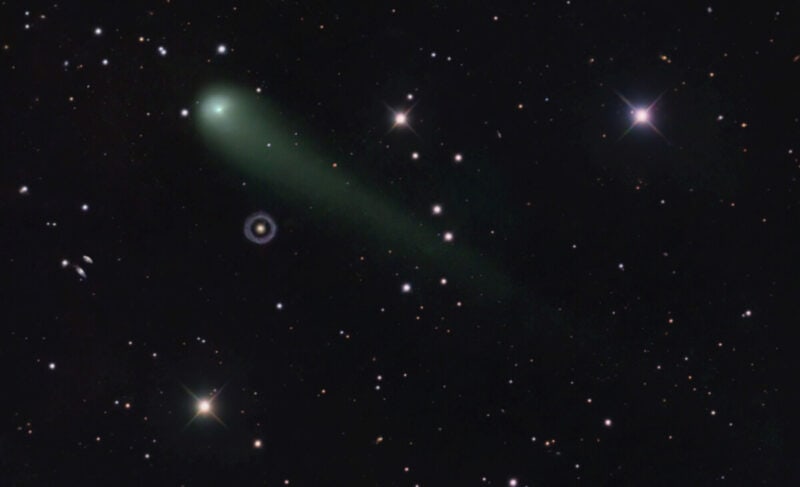
“I don’t limit myself to just taking pictures, I enjoy delving deeper into the physical properties of what I observe.”
What has been your proudest moment in astrophotography?
Rather than a single moment, I’d say that 2024 as a whole was an incredibly rewarding and proud year for me. It was marked by several achievements:
- Winning first place at AstroFest 2024 with the image of the Solar Eclipse 2023 from my backyard (see below)
- Reaching the finals of the Astronomy Photographer of the Year 16 – both personally with the innovative image of the circular spectra, and as part of the ShaRA group. I have reached the finals of this competition for three consecutive years.
- Participating in Chianti Topics in Florence alongside scientists and experts
- Capturing the rare spectra of the X3.98 and X1.28 flares, which opened the opportunity to talk with researchers at the Max Planck Institute.
Equally fulfilling were the moments spent inspiring the next generation of astronomers during meetings with elementary and middle school children in my local community.
Together, these experiences created a unique and unforgettable year, one that will be difficult to replicate.
Where can people follow you online
You can follow my work on my blog, AstroTrex, where I share my projects, images, and articles
Otherwise on my Facebook and Instagram accounts.