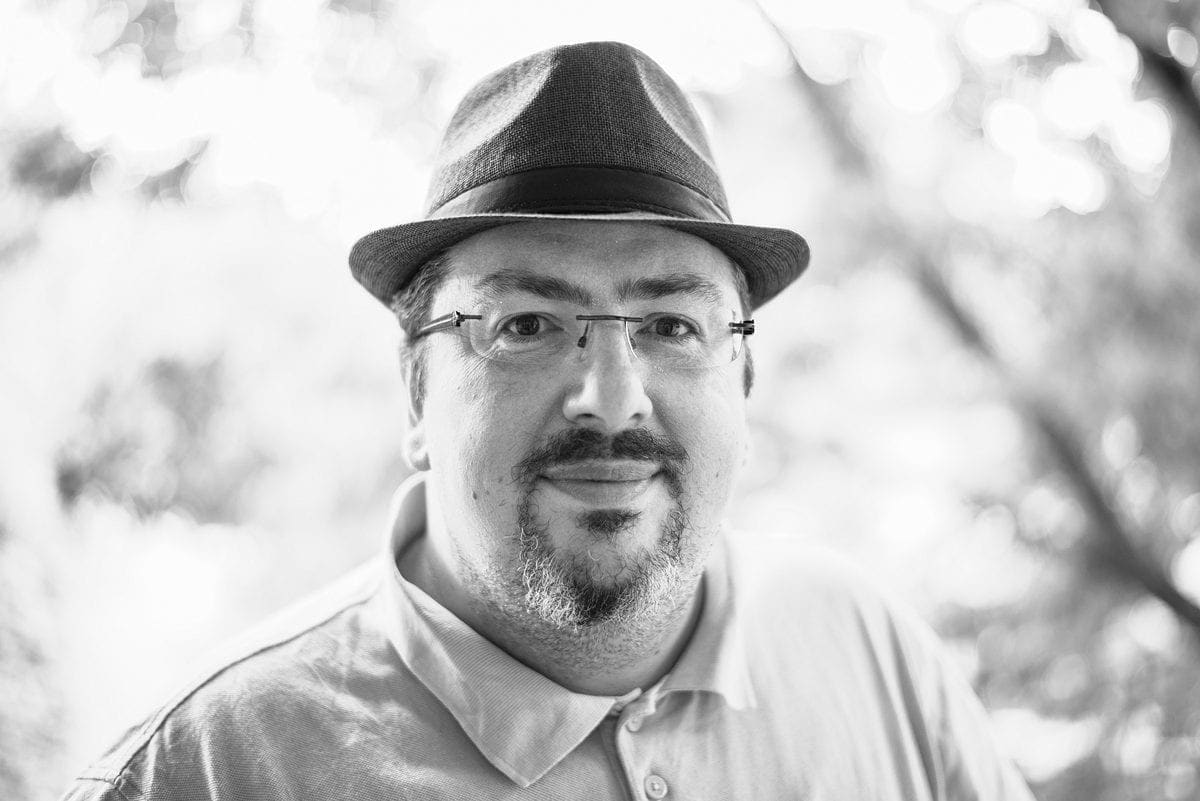
In this interview we speak with Evgeni Tcherkasski who produces creative nightscapes and was highly-commended in our Smartphone Astrophotographer of the Year competition.
Who are you, where are you based, and what’s your focus?
My name is Evgeni Tcherkasski and I live in West Germany, in the state of North Rhine-Westphalia.
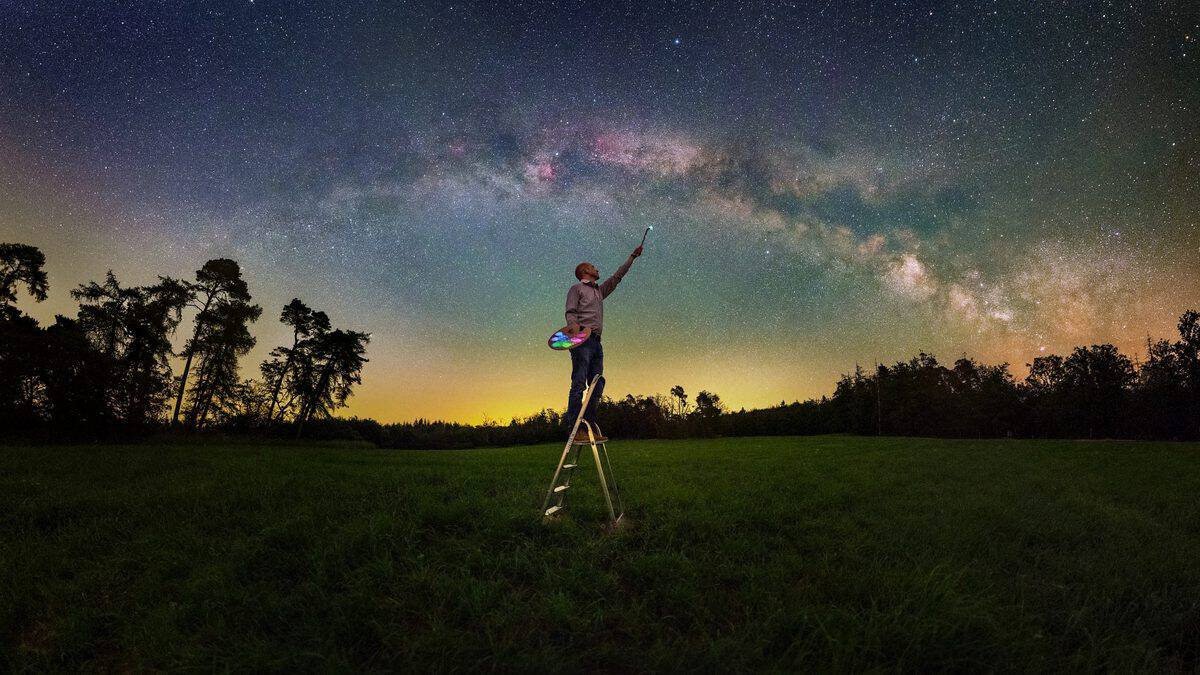
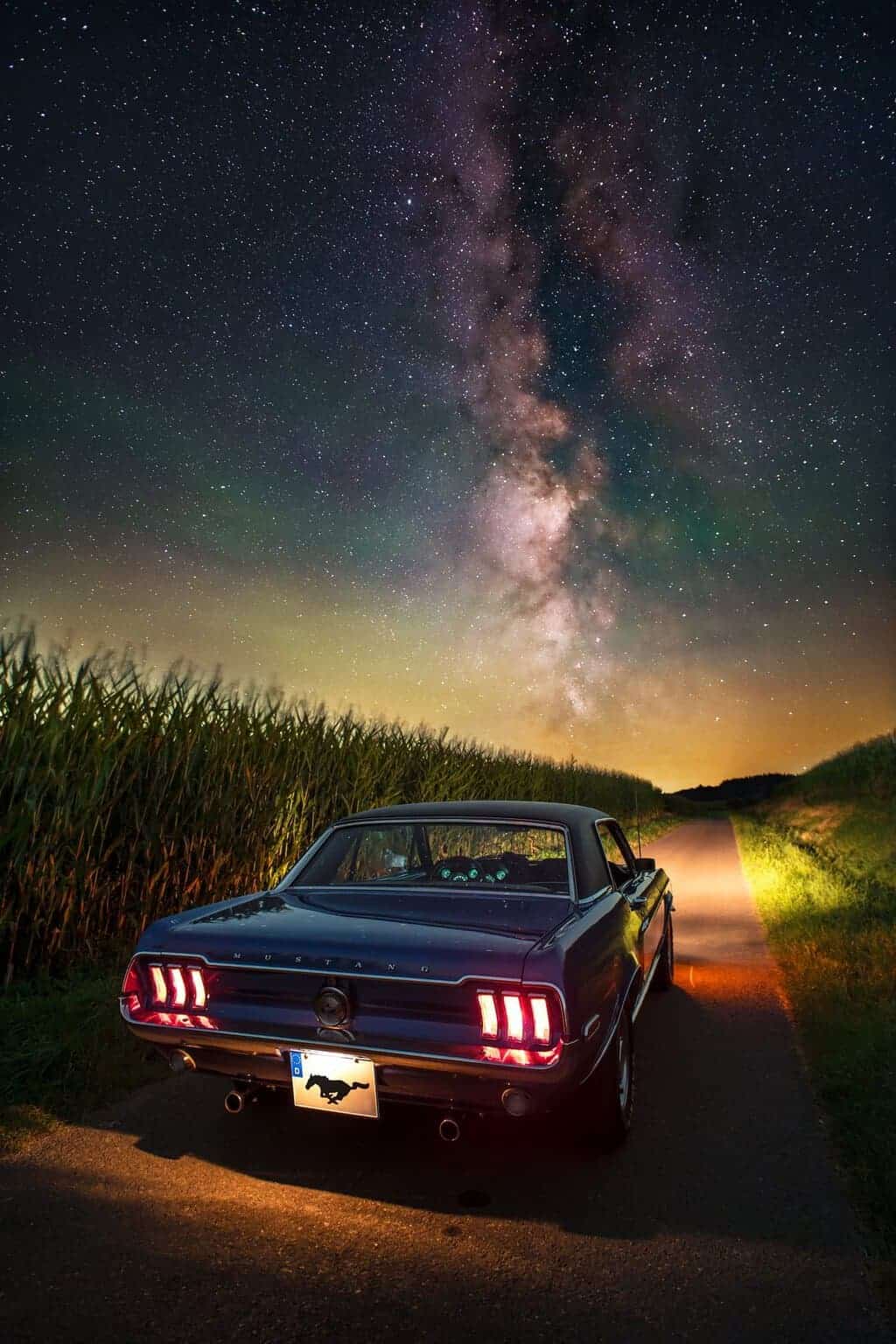
I enjoy photographing astro-landscapes and people, buildings, or technology under the stars.
I always try to create artistic photos with unique design ideas.
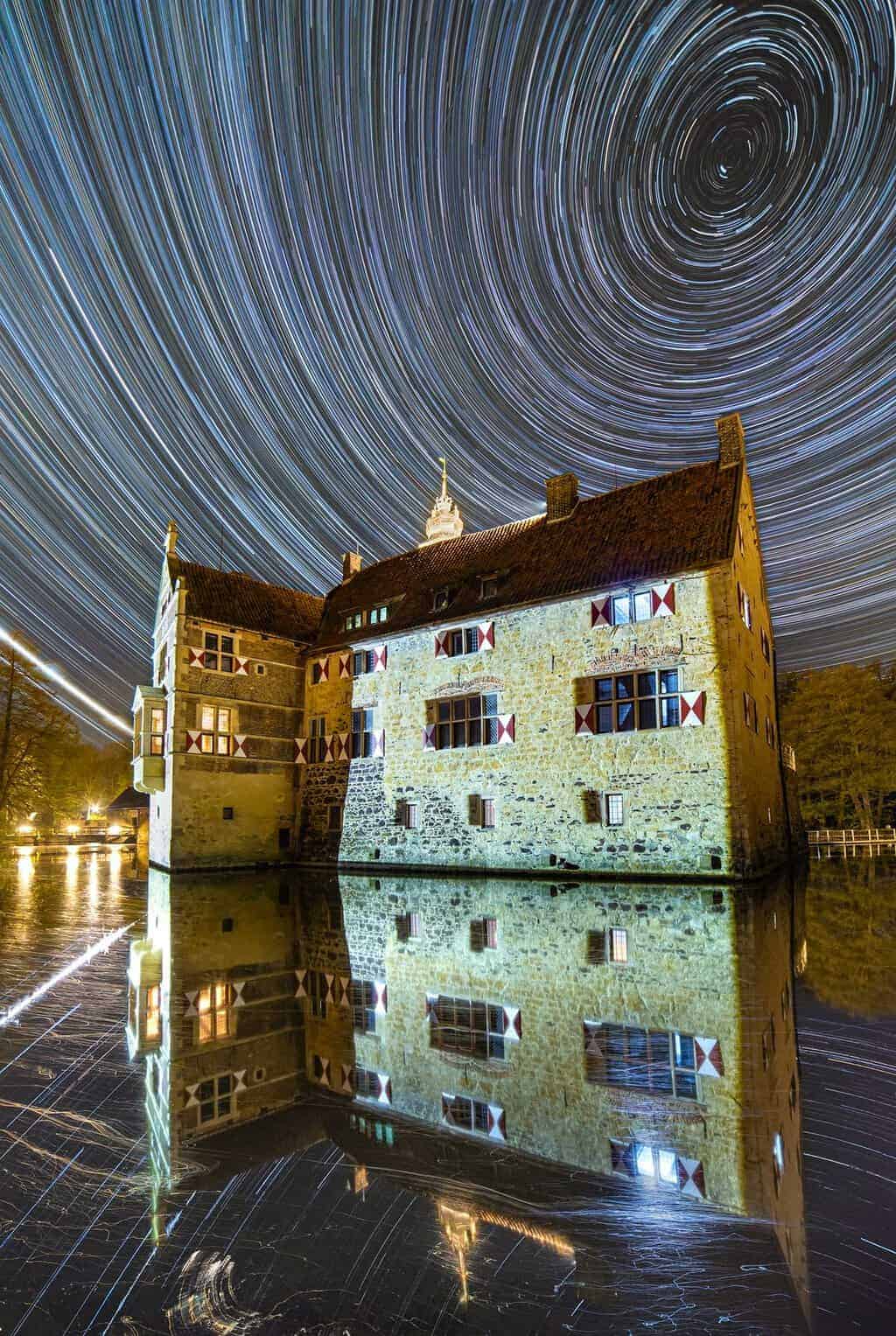
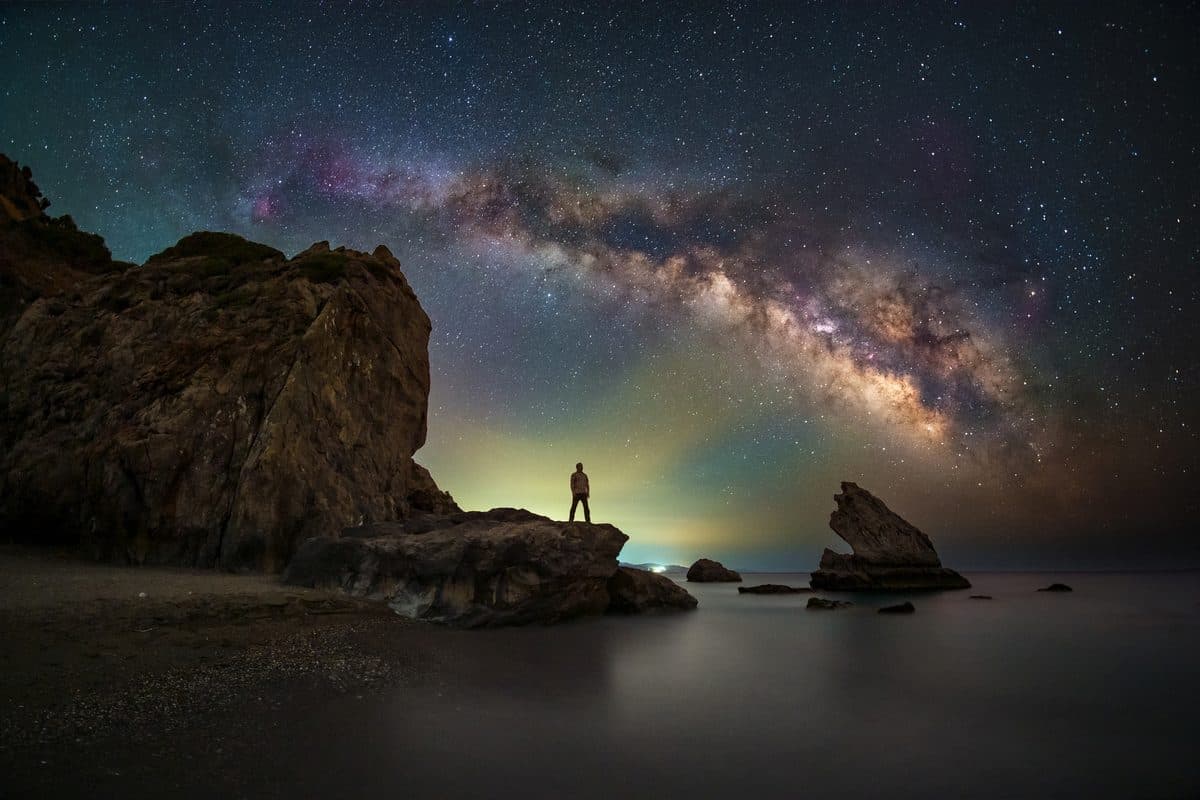
“Only if the photo looks good during the day do I stay until night.”
What’s your process?
For planning, I use Google Maps, Google Earth, Stellarium, and Planit Pro.
I always visit the location in daylight first and take a close look around — are there any distracting elements like streetlights, spotlights, or power lines?
Only if the photo looks good during the day do I stay until night, or return to the location at night.
I always carry a compass to check the shooting direction beforehand.
What gear do you use?
Currently I photograph at night with a Nikon D750 astro-mod, but I plan to switch to a Nikon Z6II later this year and modify that as well.
I also have a regular Nikon Z5, which I sometimes use on vacation when I don’t have my astro-mod camera with me.
My current lenses are the:
- Samyang 12mm f/2.8 Fisheye
- Samyang XP 14mm f/2.4
- Samyang 20mm f/1.8
- Sigma 28mm f/1.4 Art
- Tamron 17-35mm f/2.8–4 OSD
- Nikkor AF-S 50mm f/1.8
I have an MSM Nomad star tracker and a Nodal Ninja 3 panoramic head, though I usually photograph without a tracker.
I have no regrets on any gear I have bought. Anything I didn’t like, I sold.
I’m constantly evolving — sometimes you test things and find there are better options, so you switch.
How do you approach smartphone astrophotography?
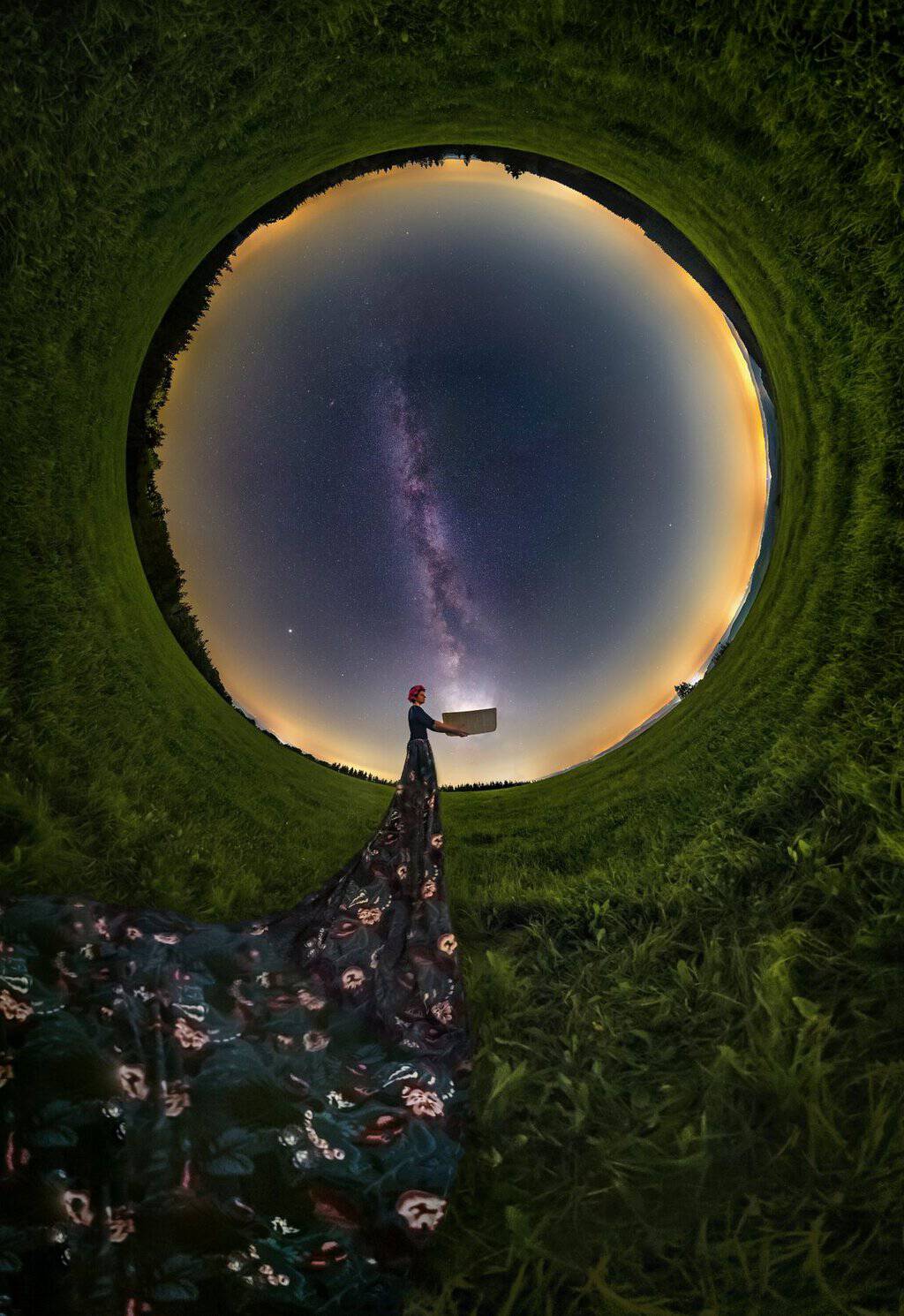
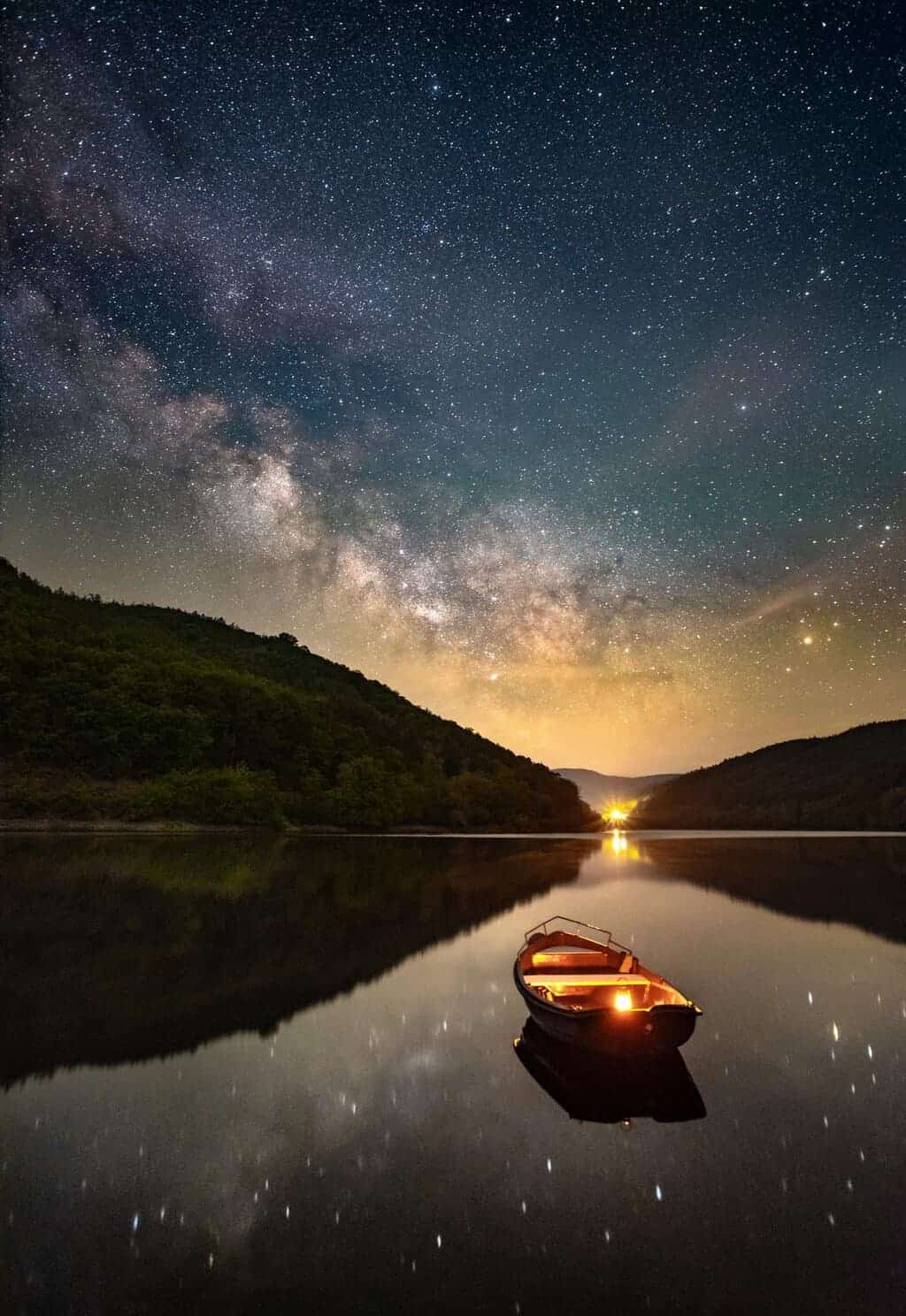
I’ve only done four or five shots with my smartphone so far, purely for fun — just to prove it’s reasonably possible these days.
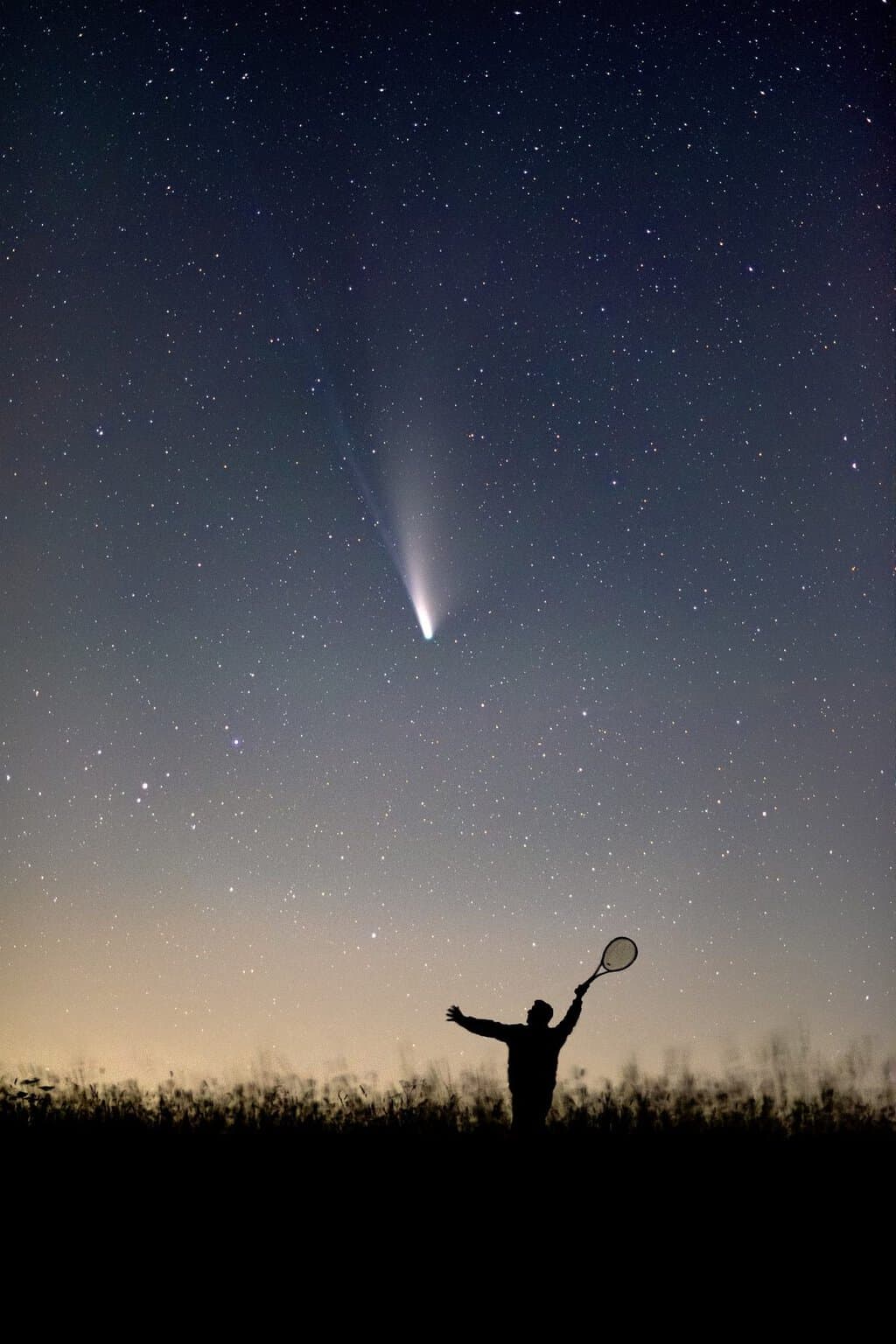
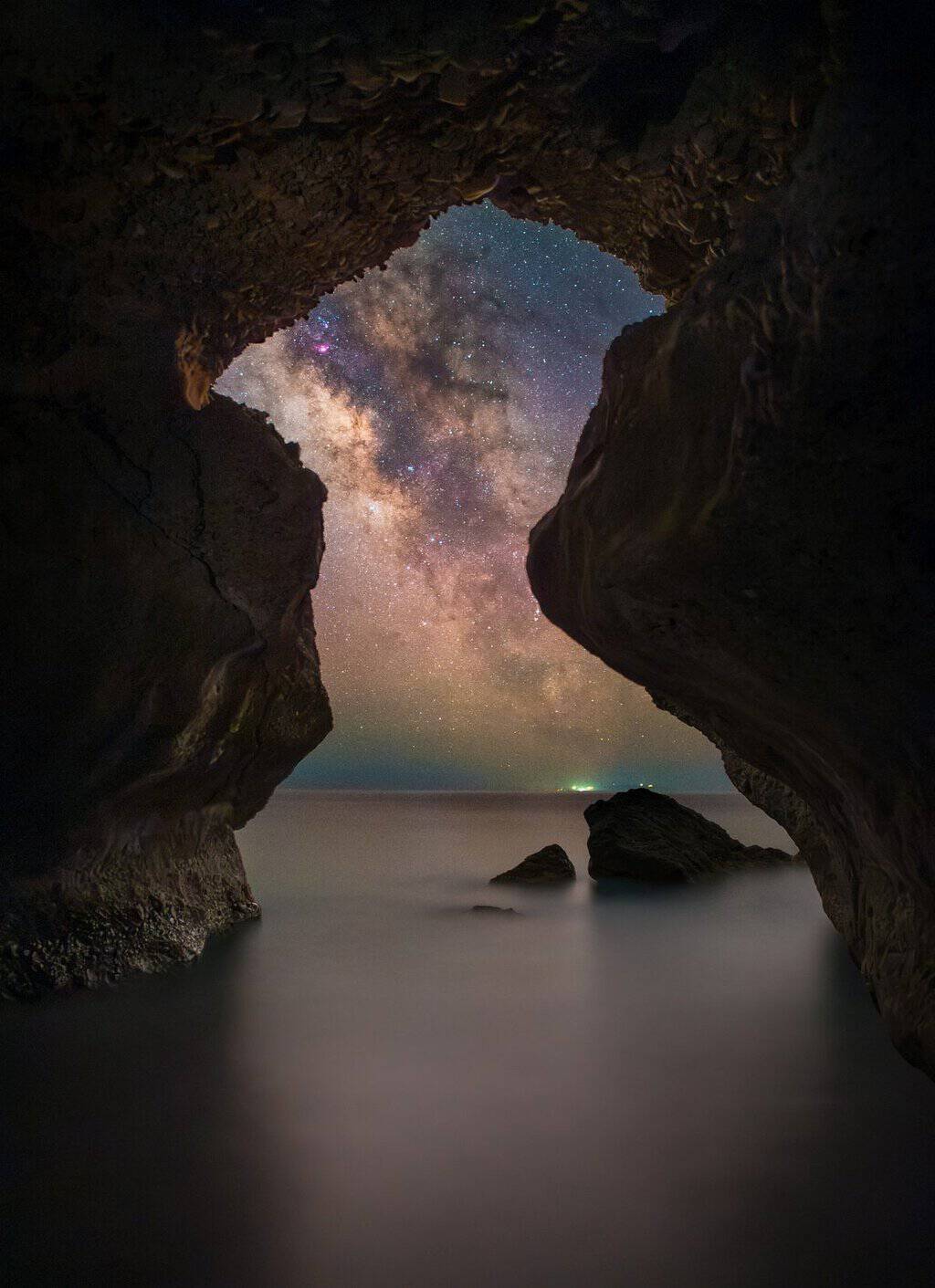
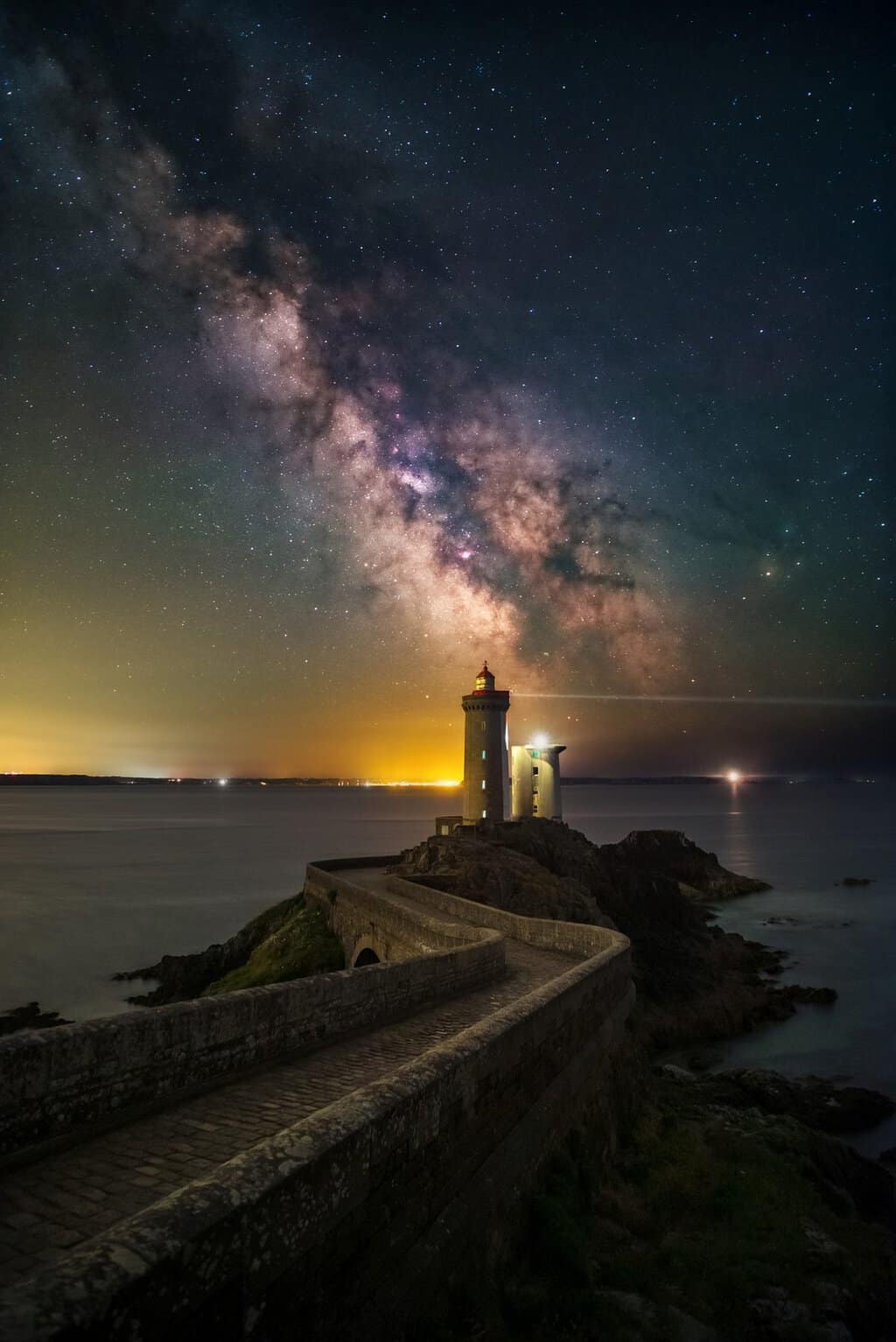
I took these with my Google Pixel 8 Pro and entered them into the Smartphone Astrophotographer of the Year competition:
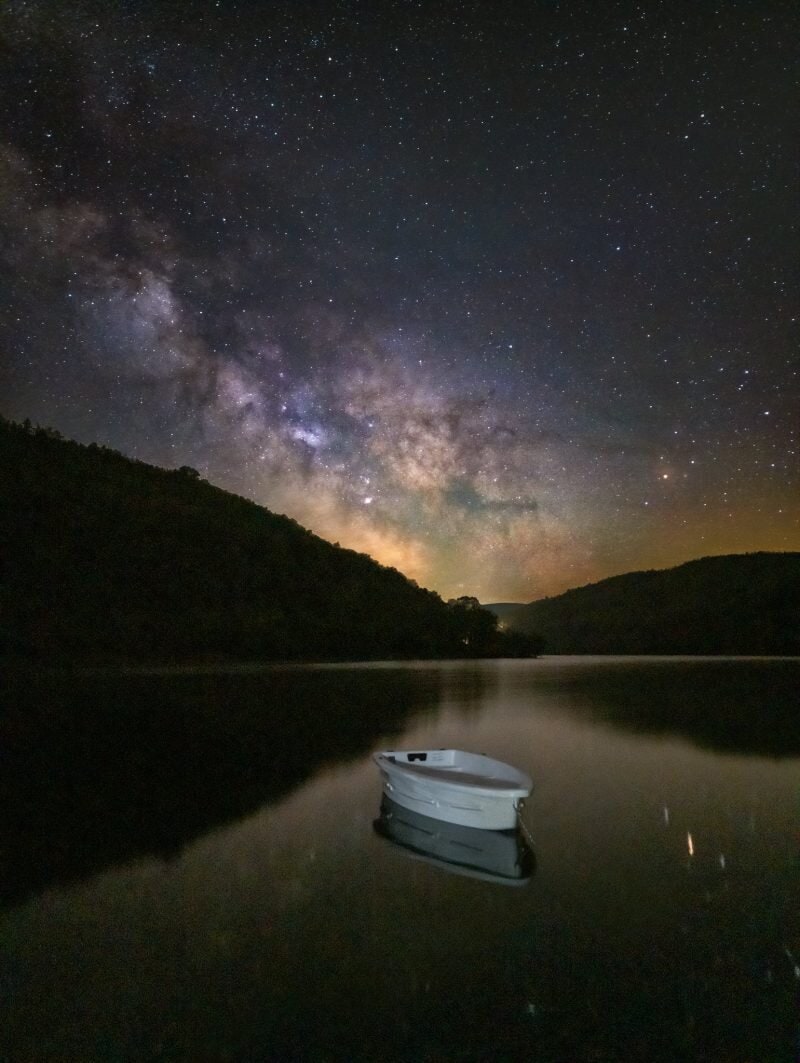
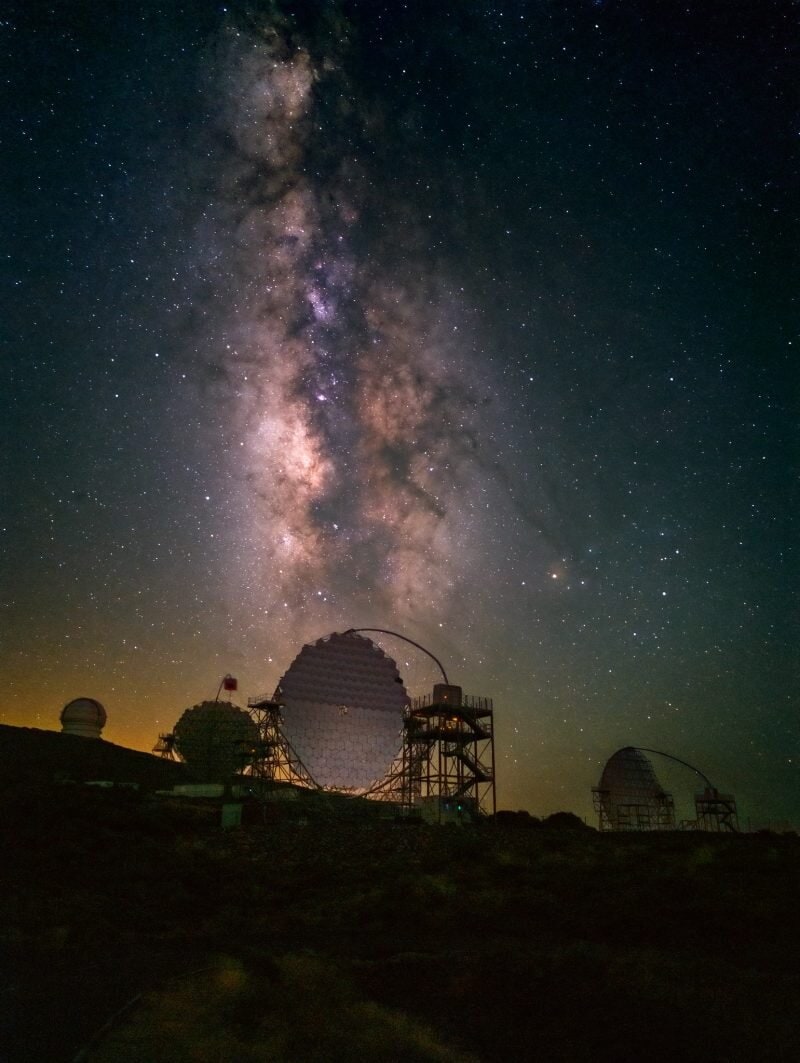
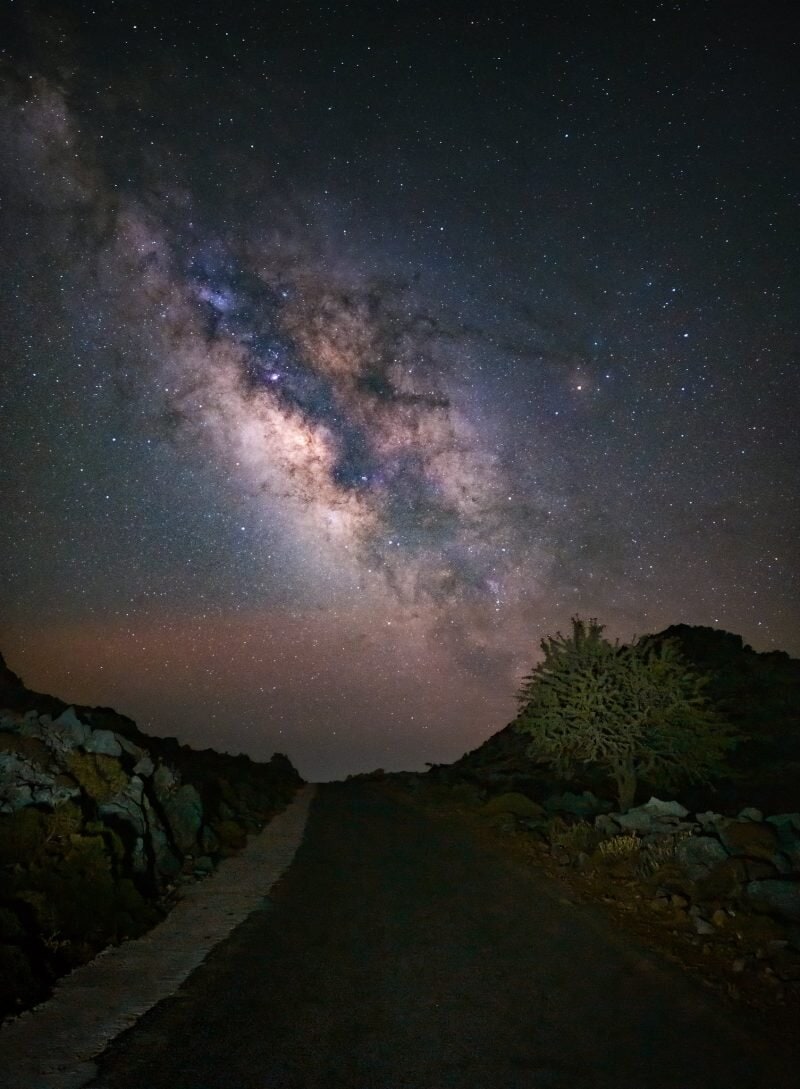
I develop the smartphone images using my normal workflow, just like the RAW files from the camera.
But I always have my “proper” camera equipment with me as well.
What do you use for post-processing?
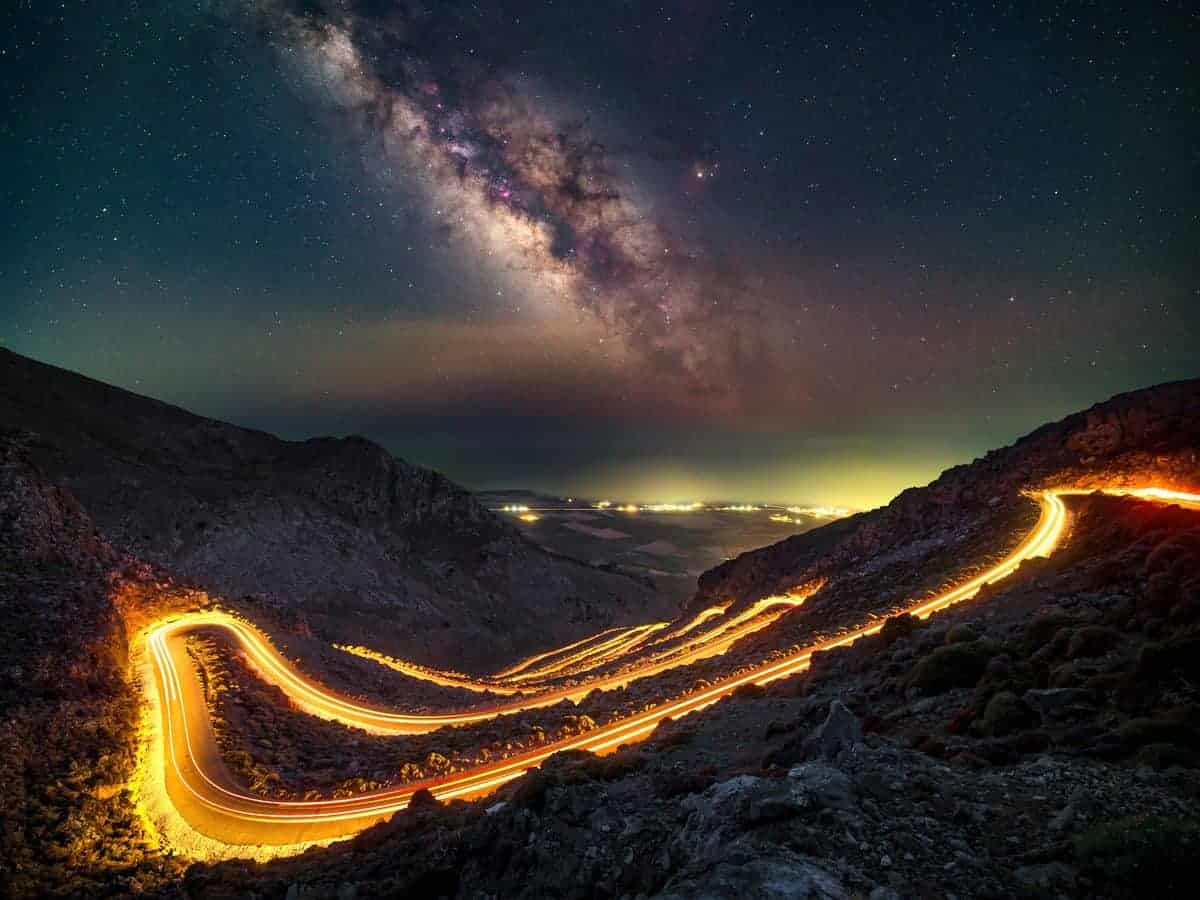
I usually stack my RAW files with Sequator and then blend them with the foreground in Photoshop.
I also use StarNet++ to separate stars and edit the sky separately.
Sometimes I take a single shot and develop it without stacking.
With panoramas, I create everything from single exposures.
How did you learn your art?
I taught myself everything, or through direct exchanges in photography groups on Facebook and other social media.
I also picked up some things on YouTube, but there’s no specific source I could name right now.
Are you incorporating AI into your processes?
I use Adobe’s AI denoise — it’s quite usable for foregrounds.
What are your proudest achievements?
I now write articles about astrophotography for several German-language photography magazines.
I’ve even held an exhibition of my work in an art gallery.
But I do it for fun and out of passion, not to become famous. Astrophotography isn’t really suited for that.
Where can people follow or contact you?