I’ve compared hundreds of photos entered into the Skies & Scopes Smartphone Astrophotographer of the Year competition to work out the best smartphone for astrophotography.
I believe that the Samsung Galaxy S26 Ultra is the best option in 2026, followed closely by the Google Pixel 10 Pro.
Both of these models have excellent Astrophotography Modes, which give you great results from one tap.
Top Pick 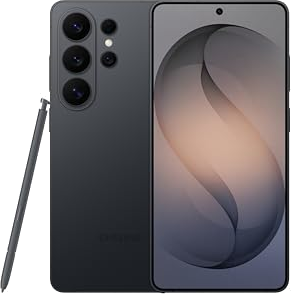 | Budget Pick 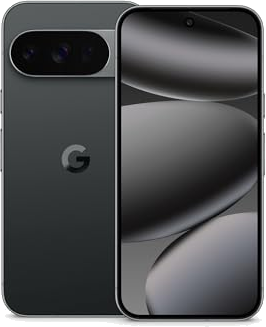 |
Make & Model: Samsung Galaxy S26 Ultra | Make & Model: Google Pixel 10 Pro |
Resolution: 200 MP | Resolution: 50 MP |
Modes: Astrophoto (via Expert Raw app) | Modes: Astrophotography |
In the article below, I compare images taken with Google Pixel, Samsung Galaxy, Apple iPhone, Xiaomi and Huawei phones, and cover the pros and cons of each for photographing the night sky.
You can also watch the video version:
Samsung Galaxy S26 Ultra
Best Smartphone for Astrophotography
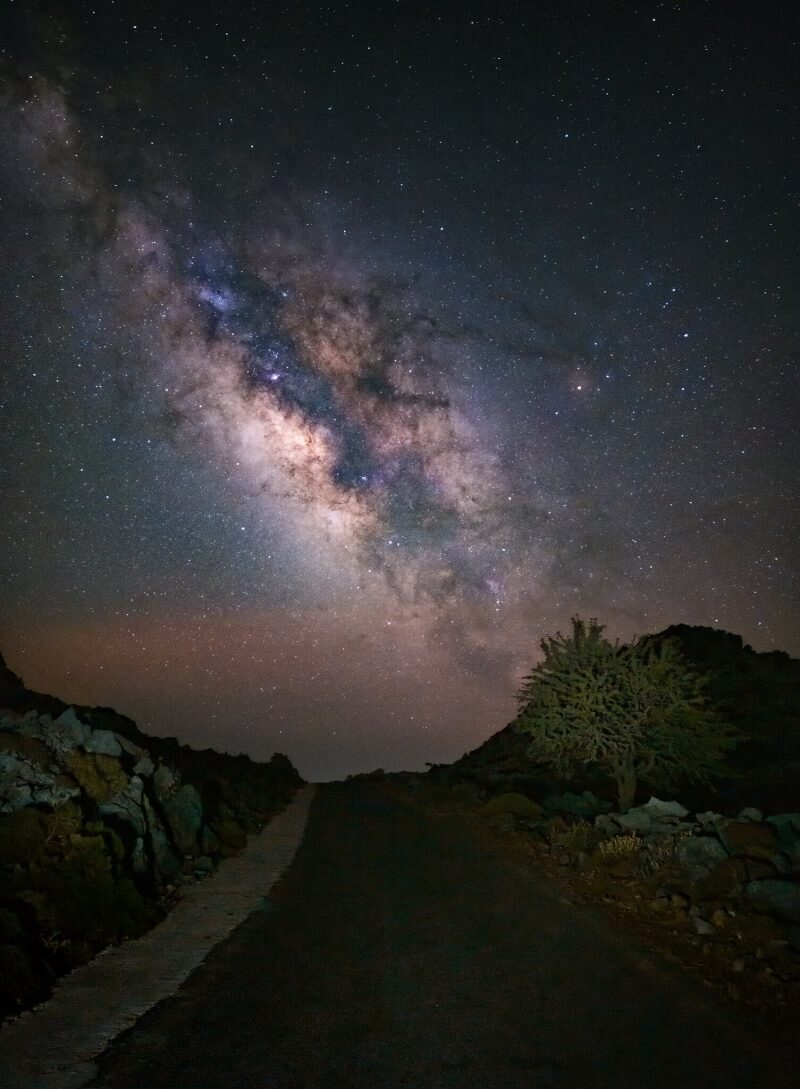
Newly released in 2026, the Samsung Galaxy S26 Ultra has an Astrophoto Mode that can produce amazing results, as you can see in the images here:
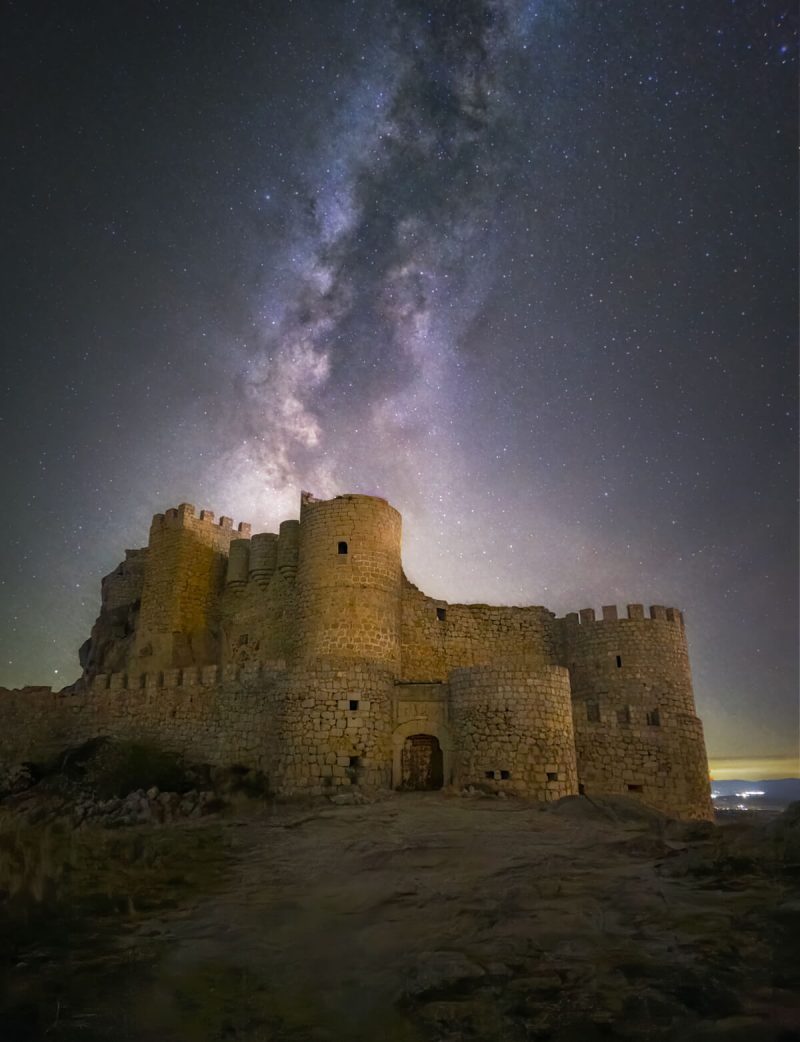
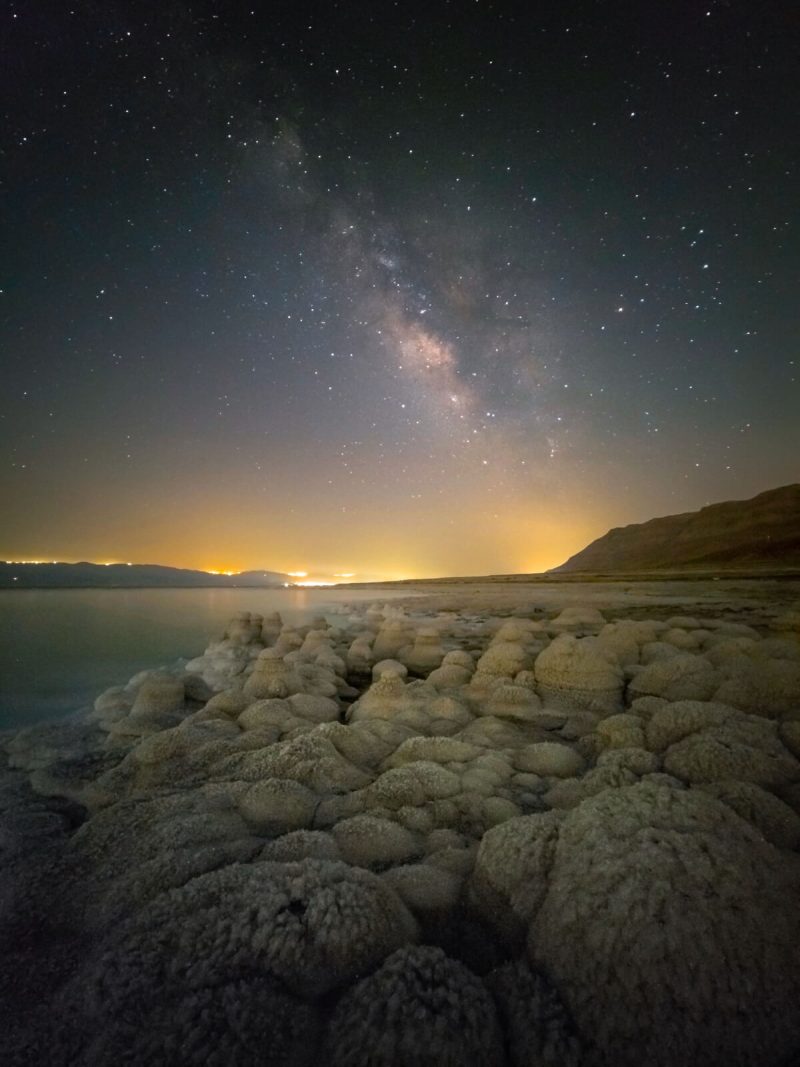
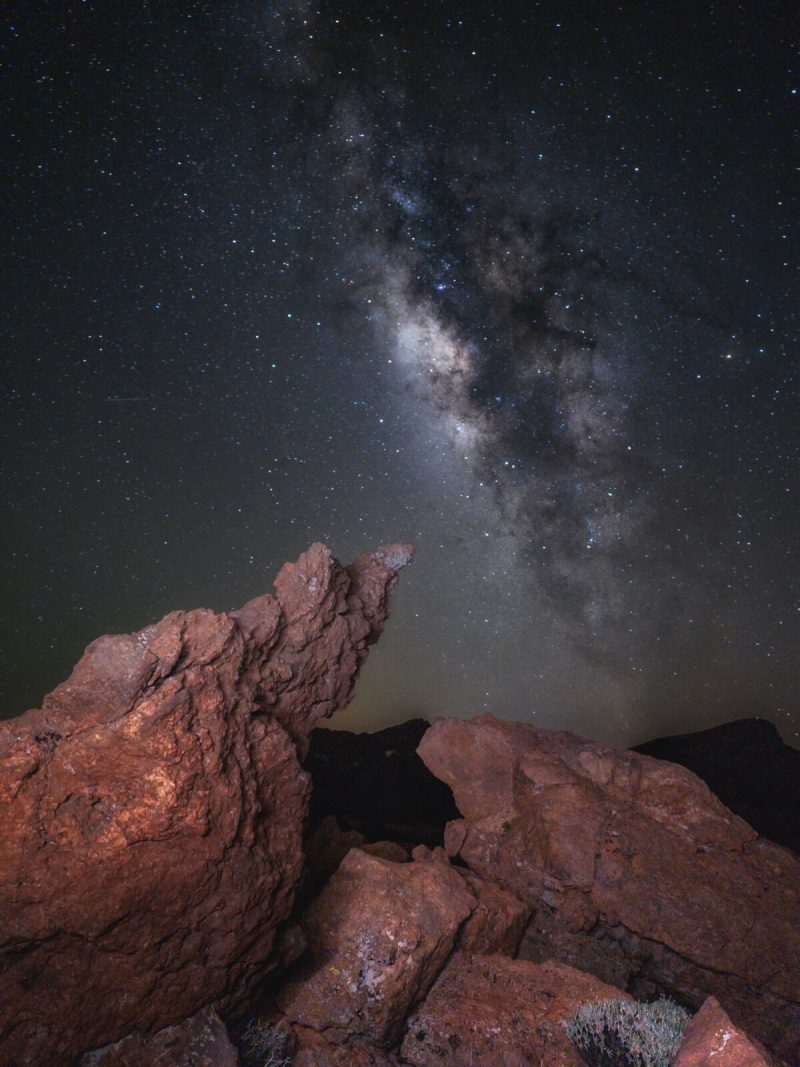
It’s not on your phone by default, to access it you need to download Samsung’s free Expert Raw app to be able to access it.
What it does is:
- Focus to ensure sharp stars
- Optimise settings like shutter speed, ISO and white balance
- Capture multiple exposures over a period of 3, 6 or 10 minutes
- Stack these images (combine them into one)
- Process and send back to you
This does the whole process of astrophotography in one tap and the results can be great, as long as you have timed the conditions right for dark skies.
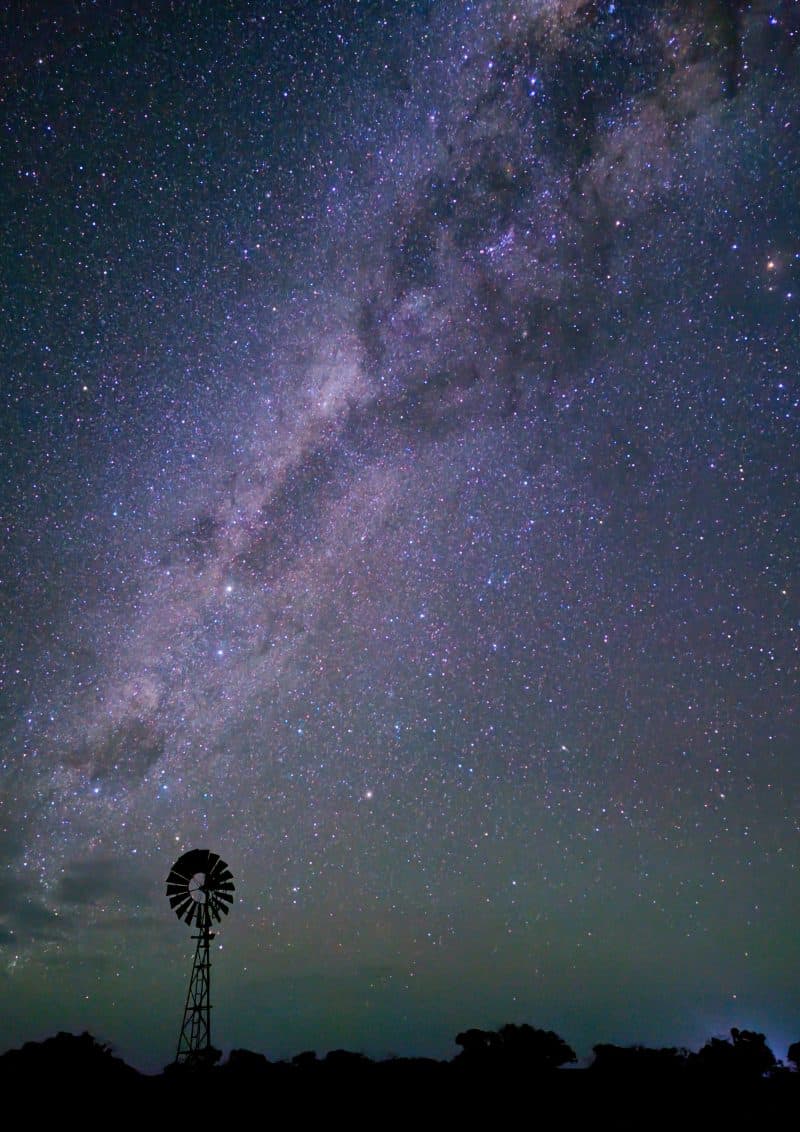
> If you want to learn how to master shooting the night sky with your phone, check the Smartphone Milky Way Blueprint.
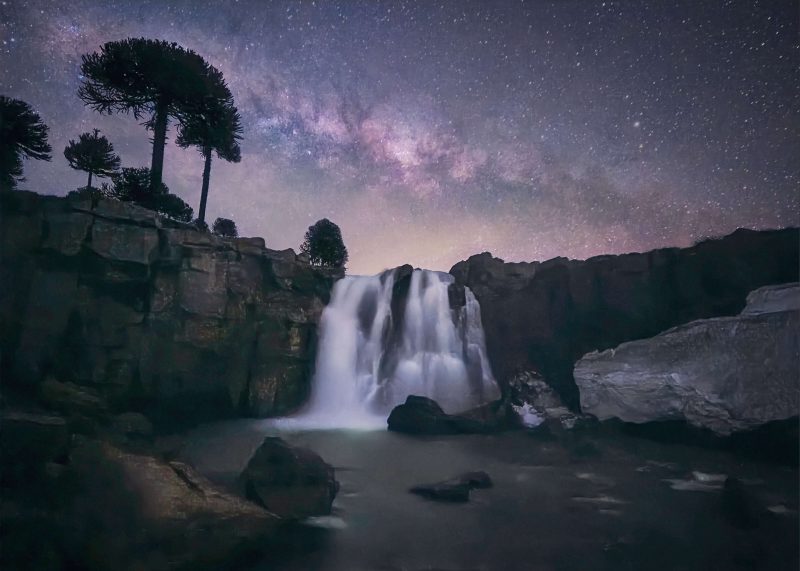
Others also have success, manually defining the settings, rather than using the automated astrophoto mode:
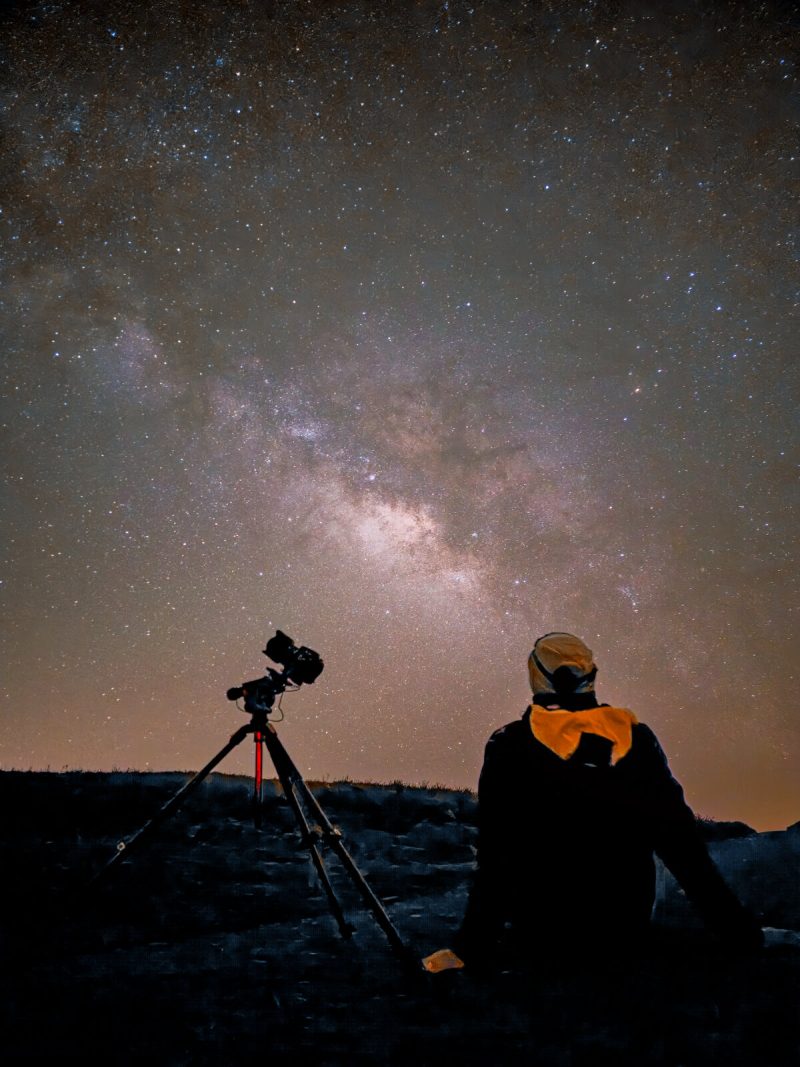
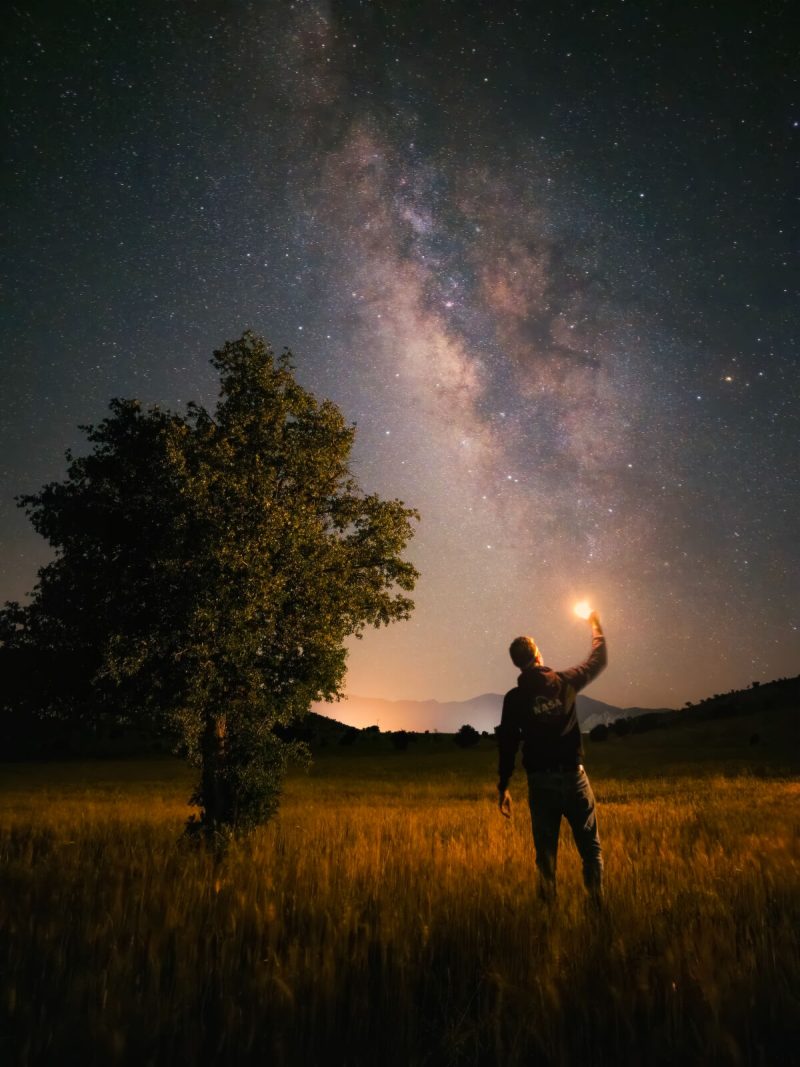
Overall, in comparing the photos from Samsung Galaxy phones versus the others, I believe that they have the best camera for astrophotography.
The Astrophoto Mode gives amazing results and makes the whole process really easy.
Even when defining the settings manually, you can see the stars are pin sharp, even in single 30 second exposures like in those photos above.
Pros
- 200 Megapixel Camera
- Astrophoto Mode for easy astrophotgraphy
- Pro Mode available when you need more control
- Long Battery Life
Cons
- Expensive
Key Specifications
- Camera Resolution: 200MP (50MP ultra-wide, telephoto 10MP (3x zoom) and 50MP (5x zoom))
- Aperture: F/1.4
- Field of View: 85 degrees (120 degrees when ultrawide)
- Pixel Width: 0.6μm
- Astrophotography Mode: Yes
- Telephoto Lens: Yes
- Weight: 0.47lbs (214g)
- Size Dimensions: 163.6 x 78.1 x 7.0 mm
- Screen Size: 6.9 inches
- Screen Resolution: 1440 x 3120
- RAM: 12GB or 16GB
The latest in the Samsung Galaxy Ultra range.
- Excellent camera
- Excels for night sky photography
- Superb Astrophoto Mode
Google Pixel 10 Pro
Budget Pick
The Google Pixel 10 Pro features one of the best cameras on the market and has a brilliant astrophotography mode.
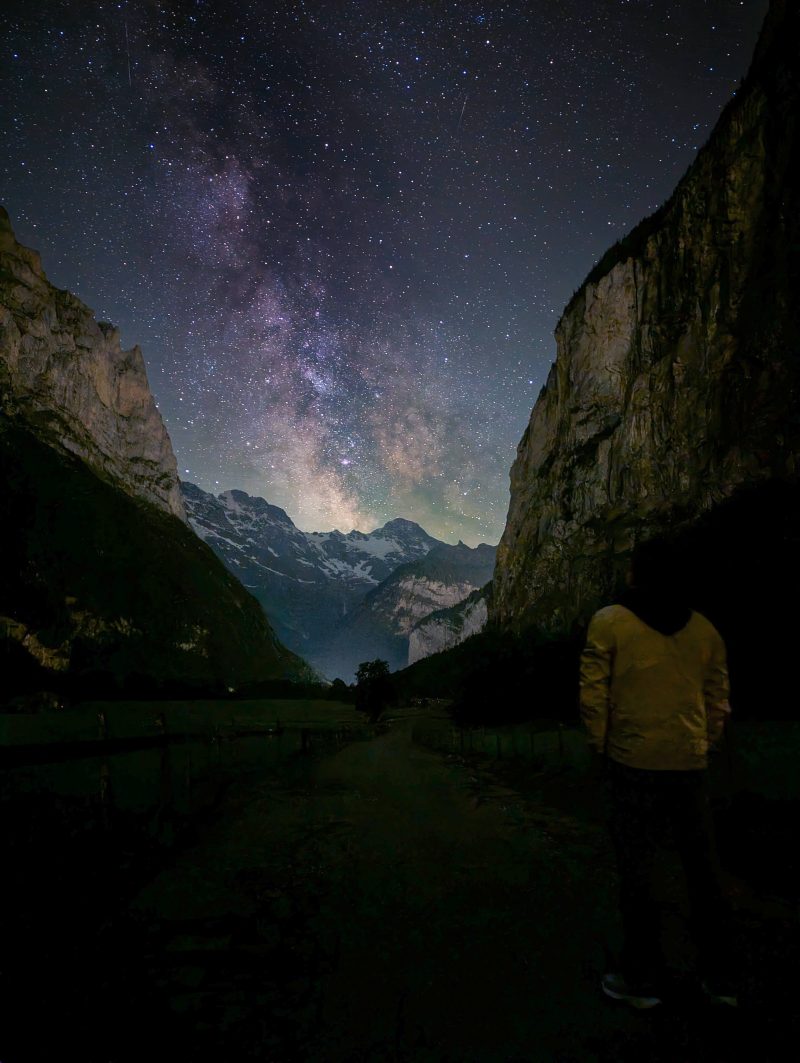
It was released in 2025 alongside four other models in the Pixel 10 range – the Pixel 10, 10 Pro XL, and 10 Pro Fold.
Note the 10 Pro XL has exactly the same cameras as the 10 Pro, but is more expensive.
The 10 and 10 Pro Fold have slightly lower spec cameras, but are still really good (as are cameras from older Google Pixel ranges).
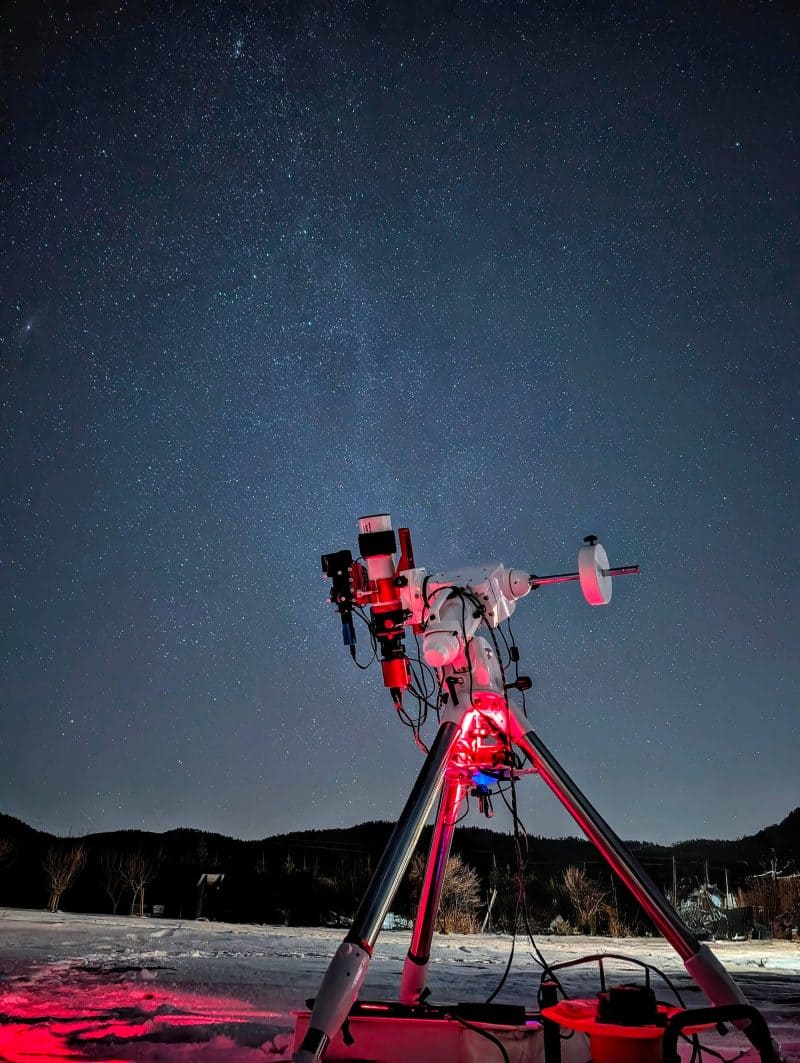
The main camera itself has a massive 50 MP (megapixels), a fast F/1.68 aperture, and a pixel width of 1.2 μm (this is the physical size of the pixels on the camera sensor – the higher the better for astrophotography as it means that more light is gathered per pixel).
There is also a separate ultrawide camera that operates at 48 MP that can work great for wide field-of-view landscape astrophotography images.
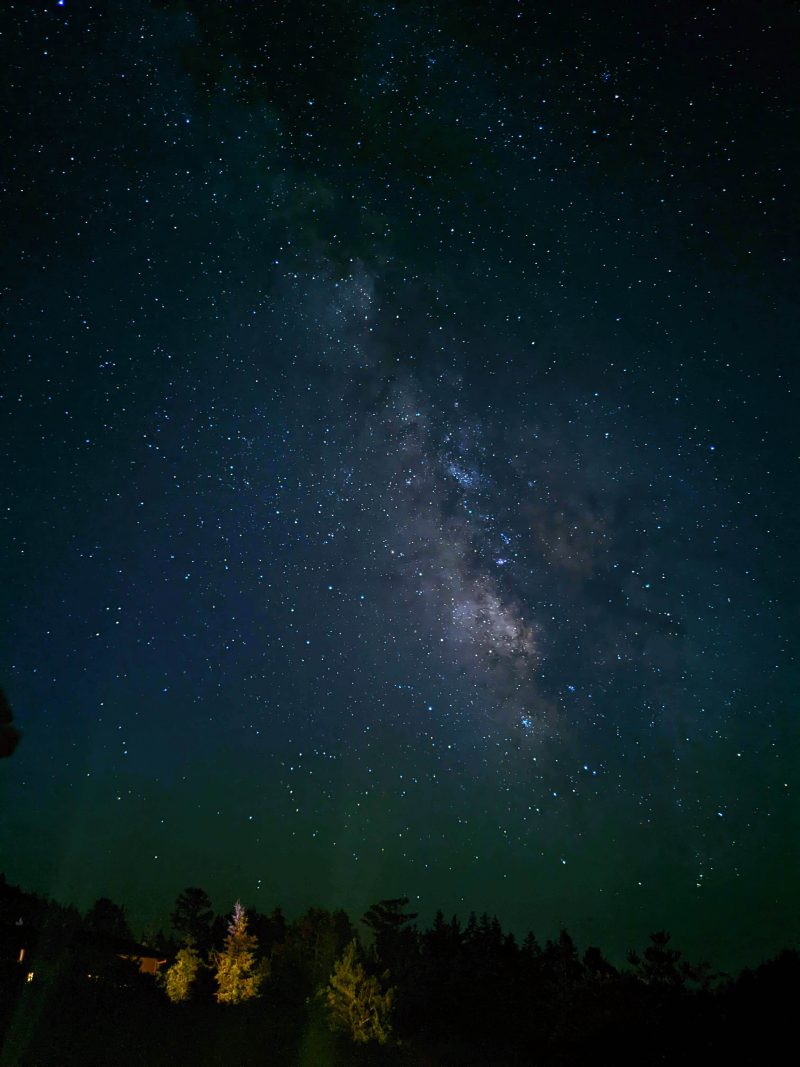
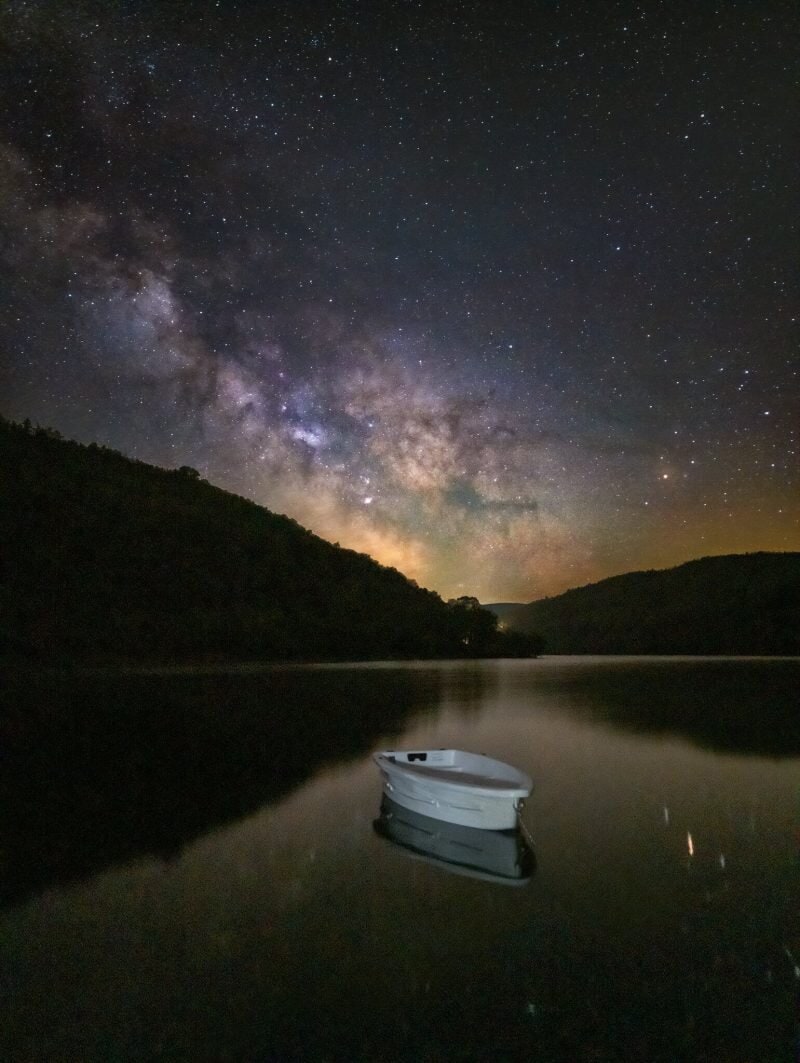
Google Pixel 10 Pro Astrophotography Mode
The in-built Pixel Astrophotography Mode is fantastic. It takes multiple 16-second images, stacks them, and processes them for you all in one go, usually taking about 4 minutes in total from one press of a button.

As you can see, the Google Pixel smartphones can really perform for astrophotography and we believe it is the best smartphone for astronomy photography overall.
In addition, it has an astrophotography timelapse function that no other smartphone camera has.
Pros:
- Features amazing in-built Astrophotography Mode
- Has Astrophotography Timelapse Mode
- Cheaper than Samsung S26 Ultra and iPhone 17
Key Specifications
- Camera Resolution: 50MP (48MP when ultrawide)
- Aperture: ƒ/1.68
- Field of View: 82° (123° ultrawide)
- Pixel Width: 1.2μm
- Astrophotography Mode: Yes
- Weight: 207 grams (7.3 ounces)
- Size Dimensions: 6 inch (height) x 2.8 inch (width) x 0.3 inch (depth)
- Screen Size: 6.3 inches
- Screen Resolution: 1280 x 2856
- RAM: 16 GB
The latest Google Pixel smartphone
- Outstanding Astrophotography Camera Mode
- 50 MP Camera Resolution
- Advanced in-built Google AI
iPhone 17 Pro
Best iPhone for Astrophotography
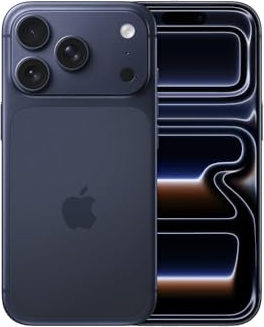
The latest Apple iPhones are the iPhone 17 Pro and the iPhone 17 Pro Max.
The difference with the Pro Max is the larger handset size and display screen, as well as a telephoto lens with 5x zoom capacity, rather than the 3x for the smaller iPhone model.
iPhone 17 Pro Max Astrophotography
The camera does not have an astrophotography mode but does have a night mode that works for astrophotography.
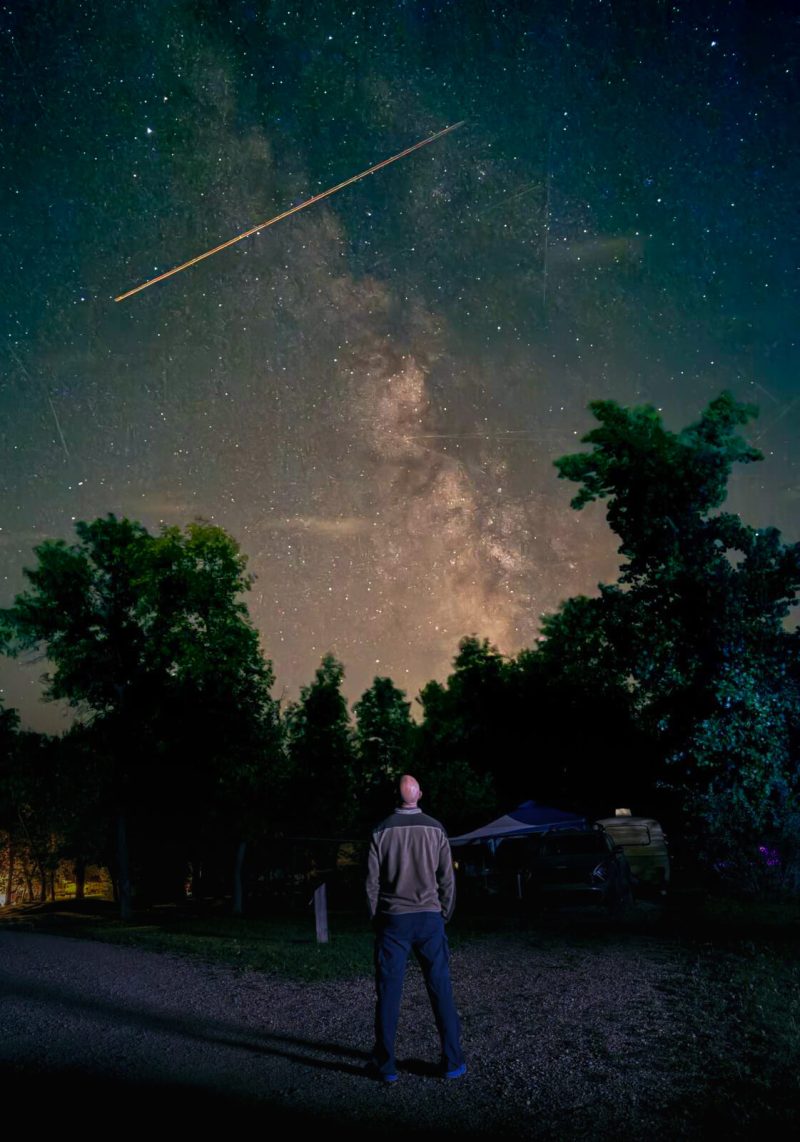
Overall, the iPhone 17 Pro Max camera is excellent and can definitely perform for astrophotography using the night mode.
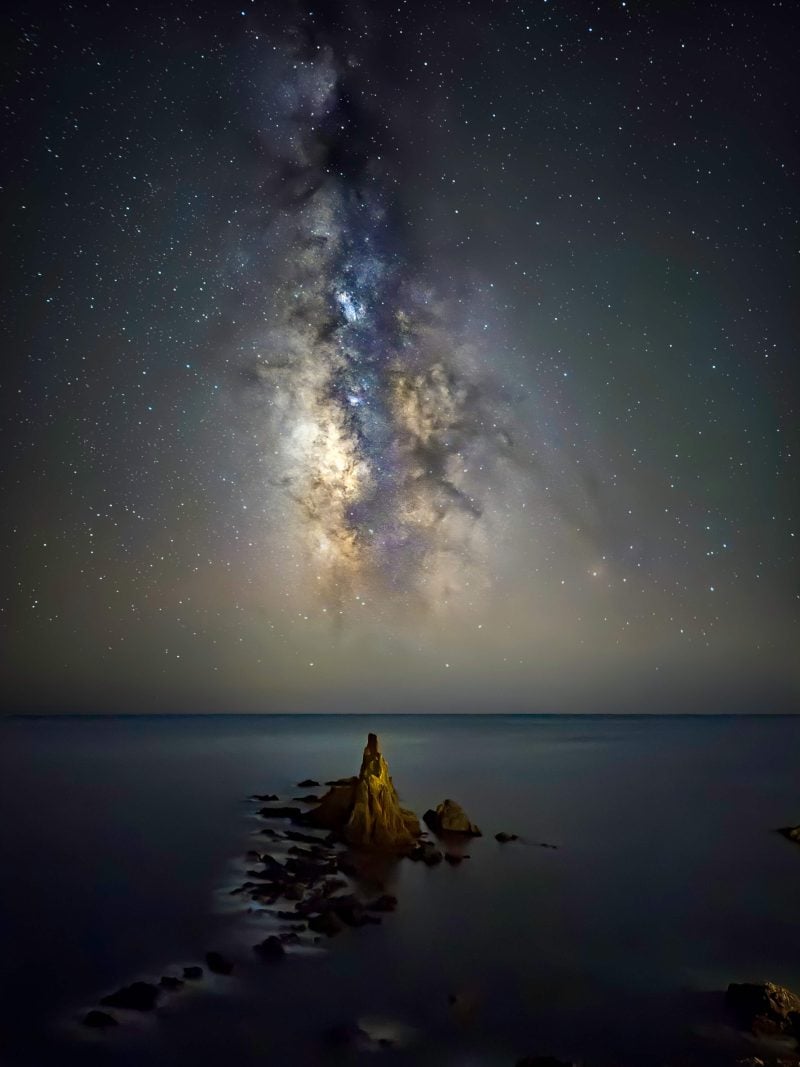
It does lack the stacking that Samsung Galaxy and Google Pixel phones do though and this reduces the overall quality you can expect from a single click.
To get the best results, you can take multiple images in manual mode and stack them yourself. Like in these photos:
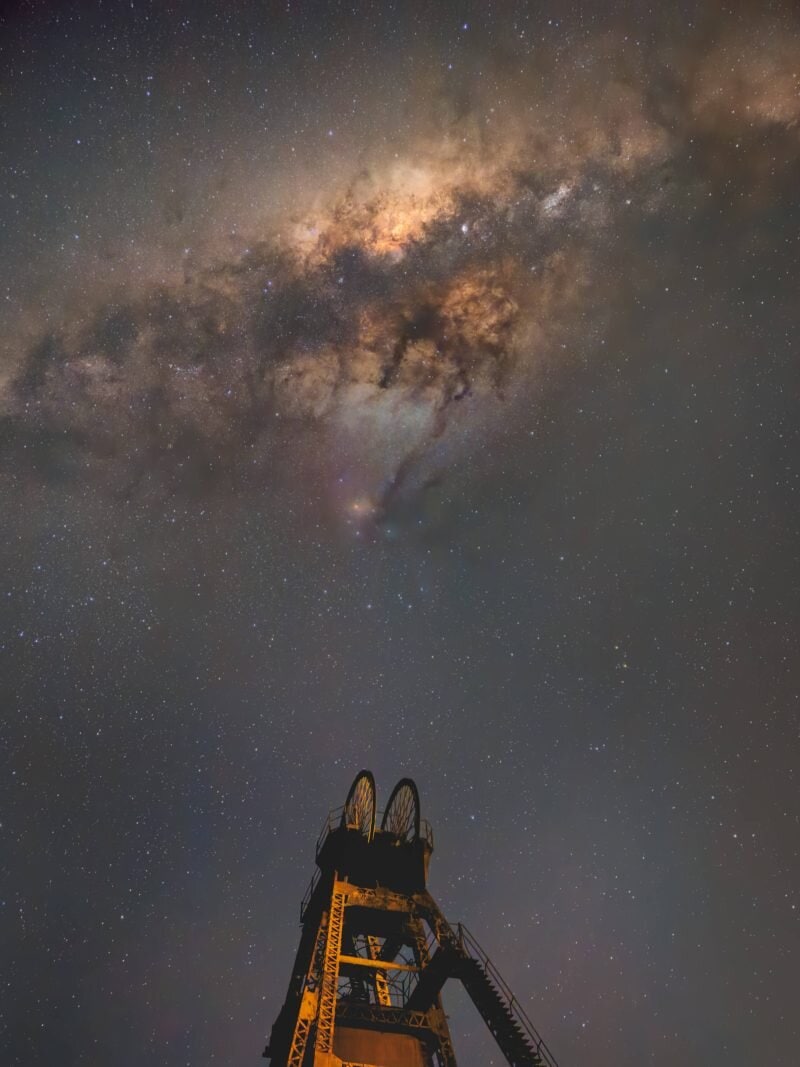
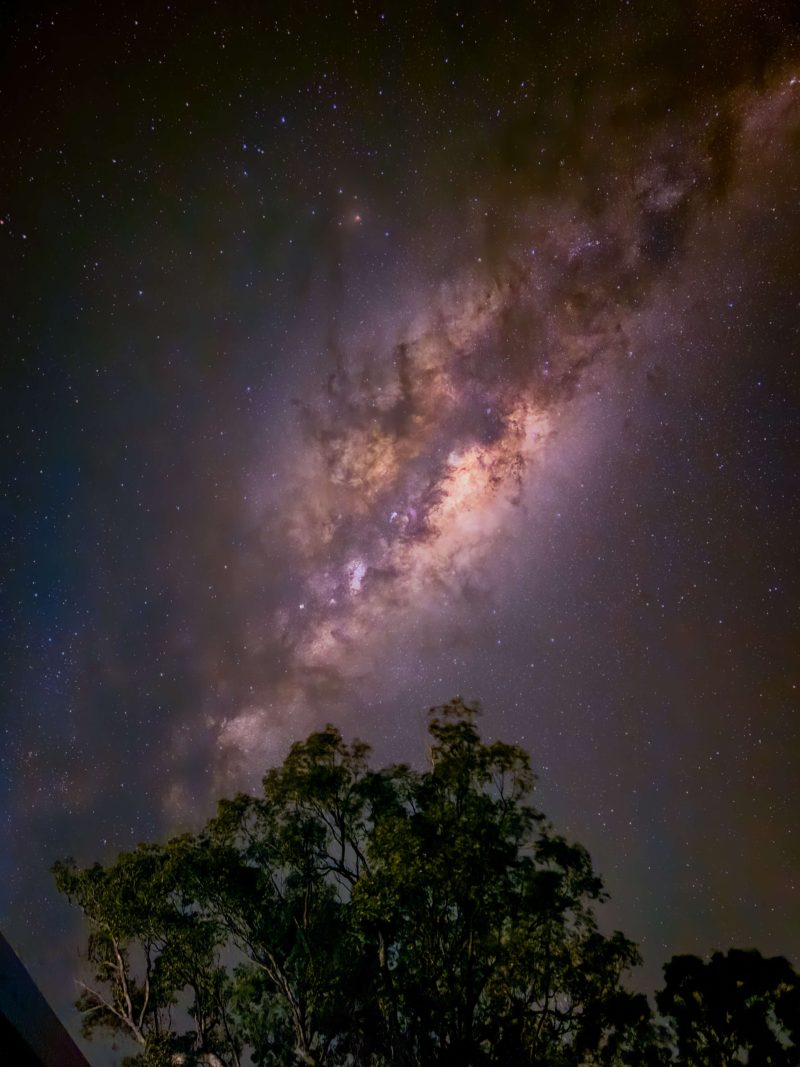
Although it has a lower megapixel count than the Samsung S25 Ultra on this page, it does have a faster aperture and the highest pixel width on its camera sensor and this helps it deliver for night photography by better gathering light in dark conditions.
Pros
- Trusted Apple iPhone with the best iPhone camera yet
- Night Mode that excels for Astrophotography.
Cons
- Expensive
- No specific Astrophotography Mode
Key Specifications
- Camera Resolution: 48 MP
- Aperture: F/1.5
- Field of View: 69 degrees (120 degrees when ultrawide)
- Pixel Width: 1.9 μm
- Astrophotography Mode: Night Mode
- Telephoto Lens: Yes
- Weight: 0.45 lbs (0.2 kg)
- Size Dimensions: 5.8 x 2.8 x 0.3 inches (146.7 x 71.5 x 7.7 mm)
- Screen Size: 6.1 inches
- Screen Resolution: 2778 x 1284
- RAM: 6 GB
The latest Apple iPhone
- Great wide-angle camera
- Night Mode for astrophotography
- 48 megapixel resolution
Google Pixel vs iPhone vs Samsung Galaxy for Astrophotography
The astrophotography mode on the Google Pixel and Samsung Galaxy phones, and the night mode on the iPhone and Samsung Galaxy do very similar things:
- The Pixel Astrophotography Mode and Galaxy Astrophoto Mode takes multiple images, stacks and processes them
- The iPhone Night Mode takes a single 30-second image and processes them
All are excellent, but from looking at the photos, the Google Pixel and Samsung Galaxy Astrophotography Modes are better, in my opinion.
FAQs: Best Phones for Astrophotography
What are the best budget smartphones for astrophotography?
The Google Pixel phones are my recommendation as they are cheaper than iPhones and Samsung Galaxy phones.
Alternatively a good option is to go for an older (and/or refurbished) model.
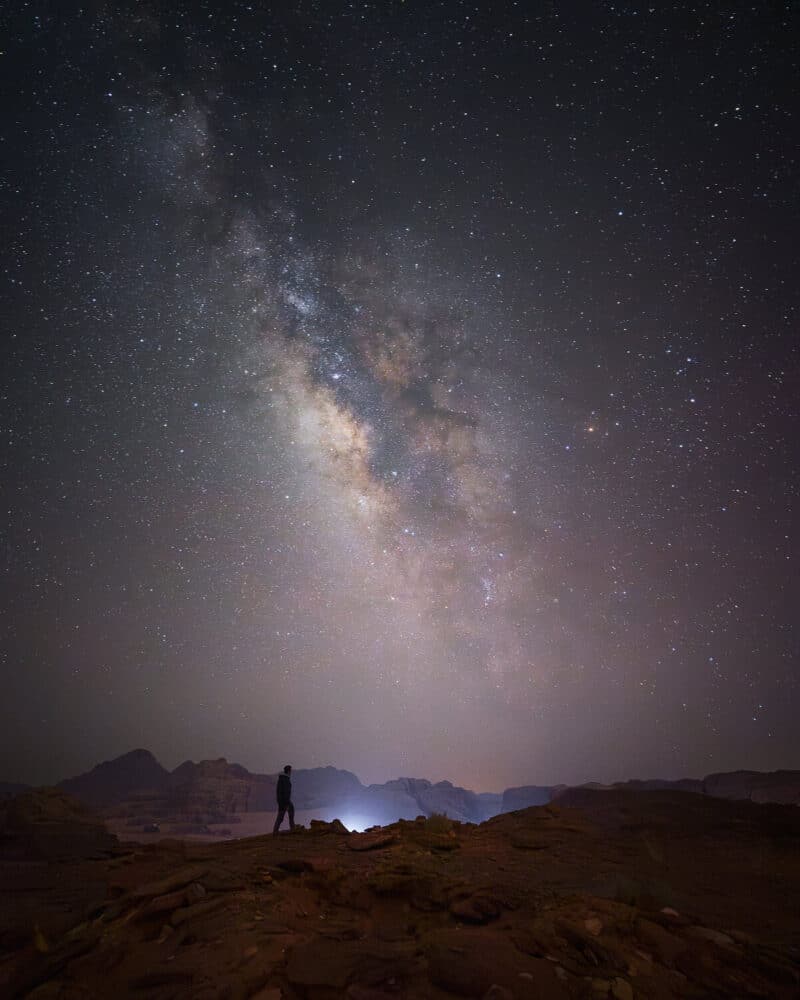
This image below was taken with a Xiaomi Rednote 13 Pro by astrophotographer Mihail Minkov:
Smartphones vs DSLRs for astrophotography
Smartphone cameras are getting better and better and the megapixel count is rising but the sensors in camera phones are much smaller than those in modern DSLR or mirrorless cameras and so will not be able to perform as well.
Therefore, DSLR/mirrorless cameras are still better but the gap is closing and obviously just using a phone has a serious convenience advantage.
Plus learning to use a DSLR or mirrorless camera for astrophotography is much harder than just pressing a button on a smartphone.
What phones have astrophotography modes?
The Google Pixel and Samsung Galaxy ranges are the only smartphones that have dedicated astrophotography modes.
However, other cameras have night modes (and moon modes) that can be utilized effectively for astrophotography.
Can you do astrophotography with an iPhone?
Yes, iPhones have great cameras and night modes that can be used for astrophotography. See our guide on how to do iPhone Astrophotography.
Which phone is best for moon photography?
Many phones are great for moon photography but the Xiaomi Redmi Note 13 Pro and the Huawei P40 Pro have moon modes specifically for lunar imaging.
Note, there has been some skepticism about how the Huawei moon mode works (some believe it actually inserts a separate moon image into your photo, rather than using your capture – see here).
The Samsung S23 Ultra also raised some eyebrows with it’s moon photography – see here.
How do you take a perfect moon picture with your phone?
The Vaonis Hestia is a device released in 2024 that specifically enhances your smartphone’s astrophotography capabilities – particular for lunar and solar imaging.
See our review here or check prices below.
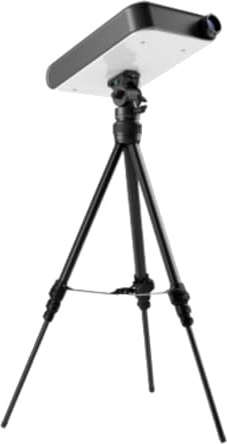
Transform Your Smartphone Into A Smart Telescope
- Extremely easy to use - just attach your smartphone and allow the app to guide you to capture and process astrophotography images
- Compact and portable
- Future-proof with all smartphones compatible
- No tracking will limit capacity to capture deep sky images
- Small aperture compared to a telescope
You can also use a telescope or telephoto lens to take a photo of the moon with your smartphone.
What is stacking in astrophotography?
Stacking is a process where multiple images of the same scene are taken and then layered on top of each other. This removes the noise and produces a better image.
The Astrophotography Mode in the Google Pixel smartphones takes care of stacking the images automatically.
Conclusion: Best Astrophotography Camera Phone
Overall, I recommend the Samsung Galaxy S26 Ultra as the best overall smartphone for astrophotography due to its excellent in-built astrophoto mode.
The Google Pixel 10 Pro is a close second, with its brilliant astrophotography mode.
If you want to know more about smartphone astrophotography, check out our video:
Sources:
- Smartphone Astrophotographer of the Year 2026
- https://blog.google/products/pixel/google-pixel-8-pro/
- https://www.gsmarena.com/google_pixel_8_pro-12545.php
- https://www.apple.com/shop/buy-iphone/iphone-15-pro/6.7-inch-display-256gb-black-titanium
- https://www.gsmarena.com/apple_iphone_15_pro_max-12548.php
- https://www.samsung.com/us/smartphones/galaxy-s23-ultra/
- https://www.gsmarena.com/samsung_galaxy_s23_ultra-12024.php
- https://www.mi.com/global/phone/
- https://www.gsmarena.com/xiaomi_redmi_note_11_pro-11334.php
- https://consumer.huawei.com/en/phones/
- https://www.gsmarena.com/huawei_p40_pro-10152.php